How Do Mitochondria Affect Skin Aging?
Mitochondria power skin renewal. Their decline drives wrinkles, thinning, and slower repair. Learn how mitophagy and lifestyle impact skin health.
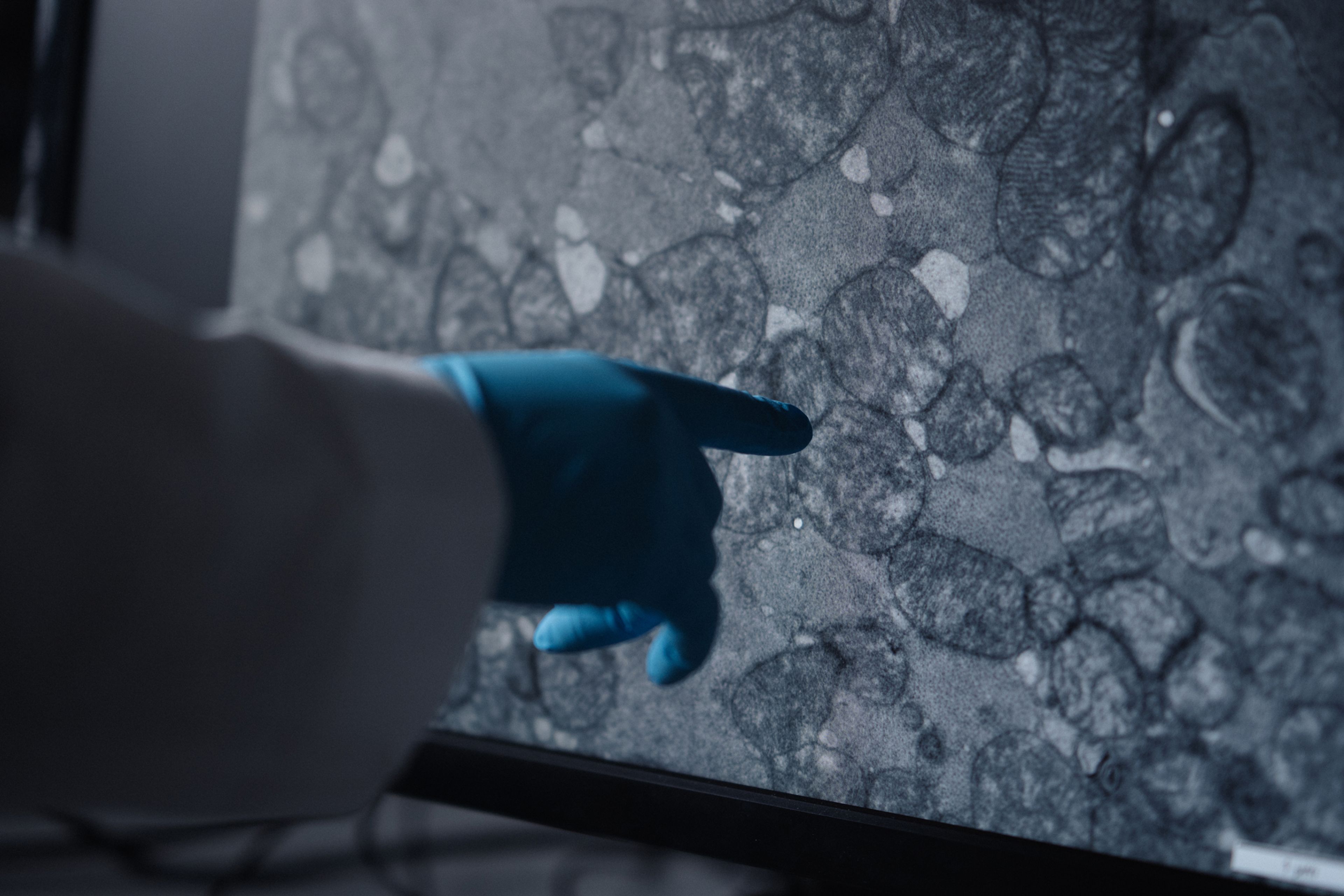
To most of us, skin looks like a simple protective covering. In reality, it is a metabolically active, energy-hungry organ. Beneath the surface, millions of cells are constantly dividing, differentiating, repairing DNA, producing collagen, and rebuilding the skin barrier.
All of that activity requires fuel.
Mitochondria are the structures inside our cells that produce that fuel. When mitochondria function efficiently, skin renewal and repair proceed smoothly. When they decline, the effects eventually become visible[1].
Why Do Mitochondria Matter for Skin?
Mitochondria are specialized structures inside nearly every cell of the body. Their primary role is to produce cellular energy.
Skin, particularly the outermost layer known as the epidermis, completely regenerates itself approximately every month in young adults. [2]That regeneration demands enormous energy to support:
- Development of keratinocytes (cells that create keratin, a protein in the skin)
- Collagen and elastin production in the dermis
- Fat synthesis for skin barrier integrity
- DNA repair after UV exposure
All of these processes depend on mitochondrial function. When mitochondrial output declines, cellular repair slows. Over time, this contributes to visible signs of aging[3].

How Do Mitochondria Influence Visible Skin Aging?
As we age, mitochondria accumulate damage. They become less efficient at producing energy and more likely to generate reactive oxygen species, molecules that can harm cellular structures. This combination creates cellular fatigue that eventually shows up in the mirror.
Together, these changes lead to:
- Collagen decline: Fibroblasts require mitochondrial energy to synthesize and organize collagen. Without that energy, skin structure gets compromised, leading to fine lines and sagging.
- Skin barrier weakens: Healthy mitochondrial function supports the production of key skin proteins and fats. When disrupted, barrier integrity declines, leading to dryness, irritation, and increased sensitivity.
- Less resilient skin: Dysfunctional mitochondria have more trouble producing the energy needed for tissue resilience.
- Slower turnover: When mitochondrial function declines, skin renewal slows. The result is dullness, rough texture, thinning skin, and more visible fine lines.[4]
What Is Mitophagy and How Does It Impact Skin Health?
Cells maintain mitochondrial health through mitophagy, a specialized form of autophagy that removes damaged mitochondria and replaces them with new ones.
Think of mitophagy as cellular quality control:
- Damaged mitochondria are identified
- They are broken down and recycled
- New mitochondria are generated
With aging, mitophagy efficiency declines. Damaged mitochondria accumulate, oxidative stress rises, and energy production falls. Supporting mitophagy may therefore be a key strategy for supporting mitochondrial health and skinspan.
How to Support Skin Health?
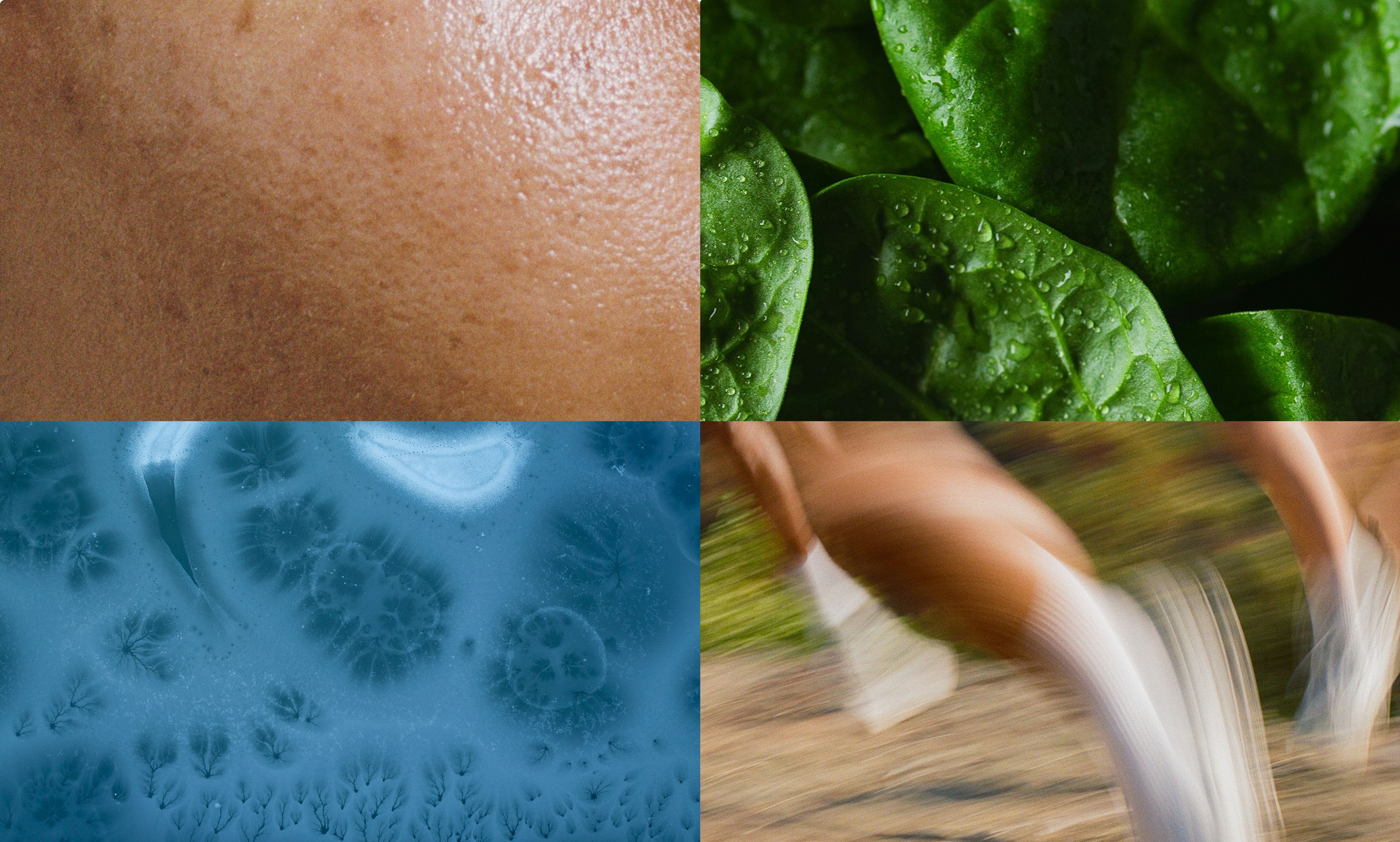
1. Exercise regularly
We often think of exercise as good for our muscles and heart. But exercise has been shown to improve skin health as well. Generally, exercise increases blood flow to the skin and potentially carries visual benefits[5].
2. Prioritize antioxidant-rich nutrition
What you eat has a direct impact on the health of your skin. Polyphenols and micronutrients from colorful fruits and vegetables help protect the skin from oxidative stress, vitamins, minerals, and protein support collagen assembly and healthy fats help maintain the lipid balance in the skin.[6]
3. Support gut health
The gut microbiome directly influences skin health through the gut-skin axis.[7] A fiber-rich, diverse diet supports microbial health and may play a role in skin aging.[8]
4. Consider targeted mitochondrial ingredients
Emerging research is exploring skin care ingredients that directly support mitophagy and mitochondrial function at the cellular level.
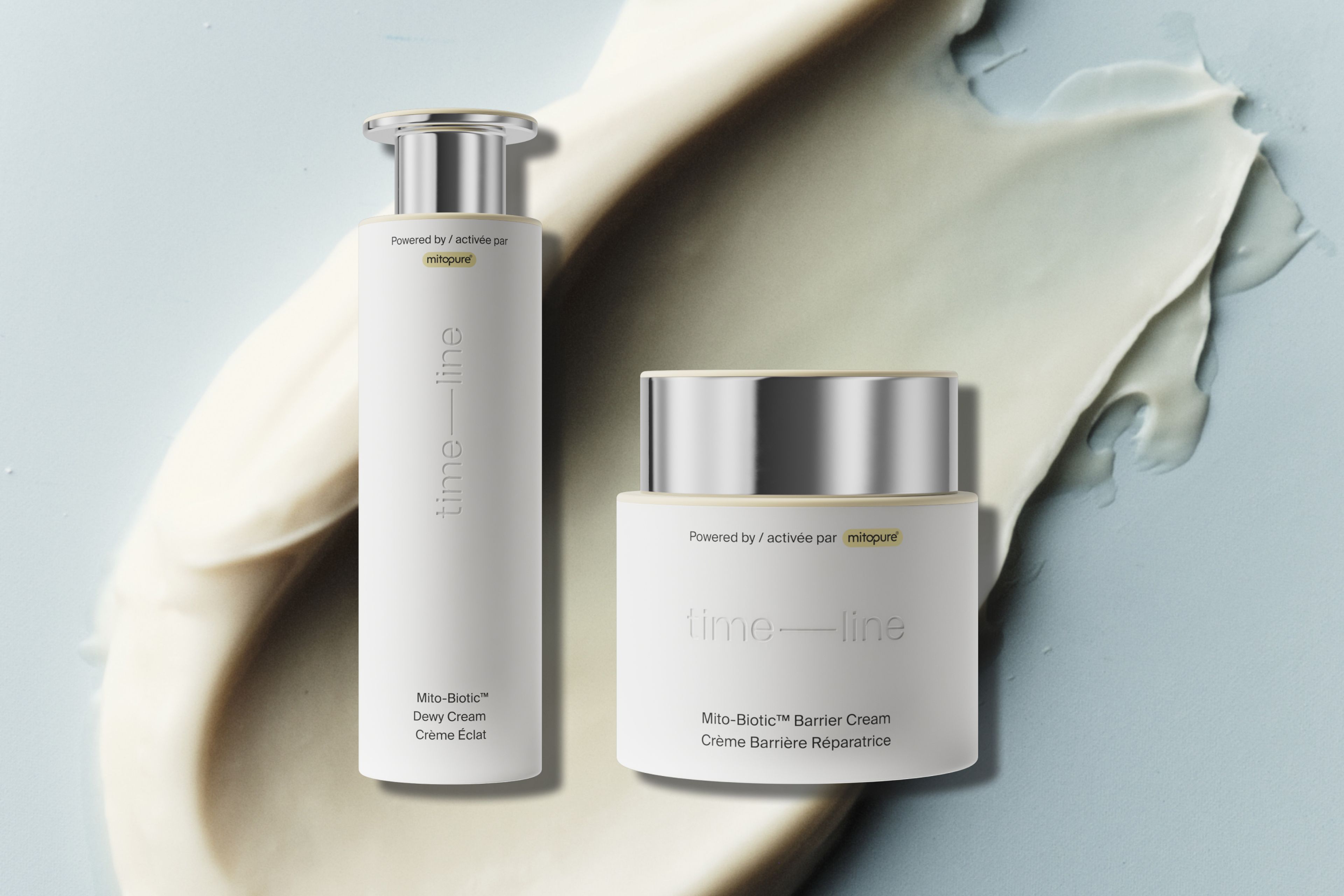
Timeline’s innovations proactively support long-term skinspan, with the first-ever skin longevity brand powered by Mitopure®. Mitopure is our clinically validated Urolithin A, backed by 18 years of Swiss biotech and gold-standard clinical trials.
When applied directly to the skin, Mitopure is clinically validated to re-energize aging cells and target visible aging at the source. Clinical data show that topical 1% Mitopure:
- Visibly reduces wrinkle depth and volume after just 2 weeks, with significant improvements after 8 weeks of use*
- Delivers more youthful-looking skin in as little as 15 days*
- Upregulates genes related to collagen organization and assembly after 8 weeks of topical application*
- Re-energize aging skin cells, targeting visible aging at the source*
Impressively, results are comparable to retinol and Vitamin C in improving visible signs of aging, but without the sensitivity or irritation commonly associated with those actives.
*Based on an 8-week randomized clinical trial of 48 healthy women aged 50 to 75 years.
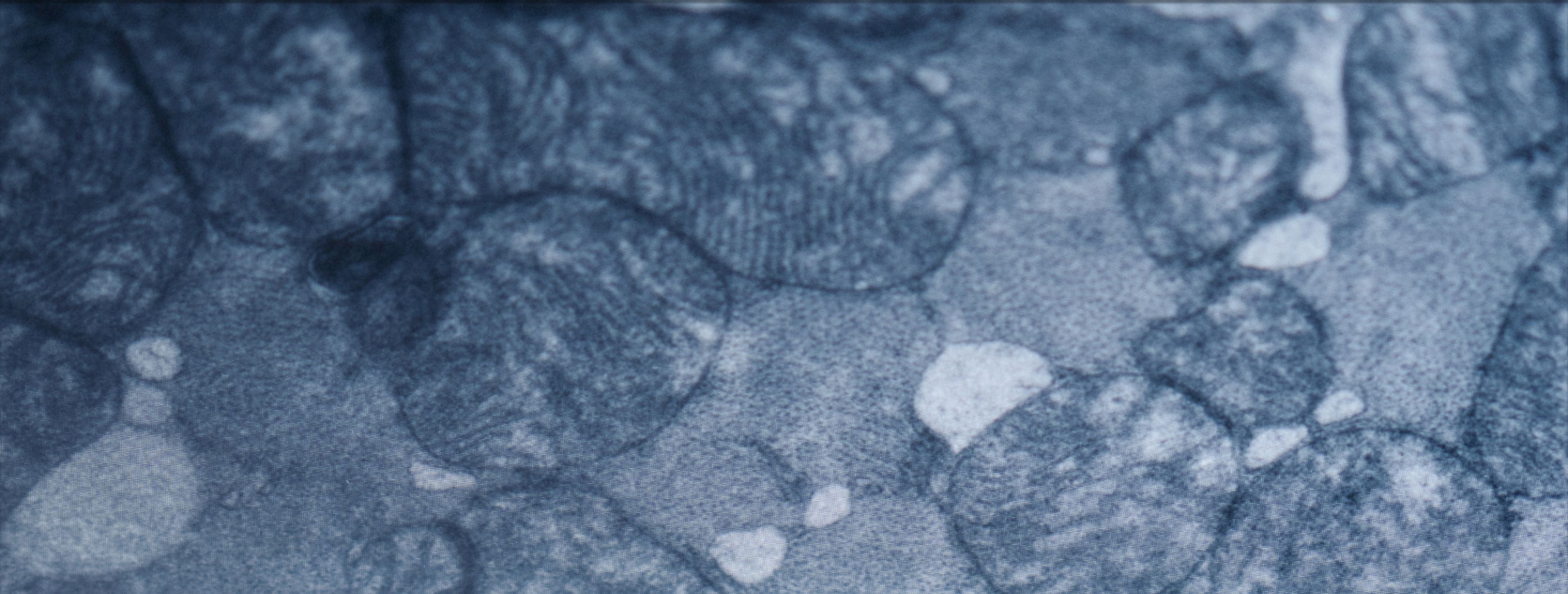
The Future: Mitochondria as a Target for Skin Longevity
Mitochondria sit at the intersection of energy, repair, oxidative stress, and cellular renewal. As research advances, targeting mitochondrial health may represent one of the most promising strategies for supporting skin resilience from the inside out.
Authors

Written by
Freelance writer

Reviewed by
Director Science Communications
References
- ↑
Quan, T., Li, R., & Gao, T. (2025). Role of Mitochondrial Dynamics in Skin Homeostasis: An Update. International journal of molecular sciences, 26(5), 1803. https://doi.org/10.3390/ijms26051803 (https://www.google.com/url?q=https://doi.org/10.3390/ijms26051803&sa=D&source=docs&ust=1775760950446557&usg=AOvVaw3ymYjtR5jJDZUZ3Rd2sKID)
- ↑
Whitbourne, Kathryn. "An Overview of the Skin." WebMD, 29 Oct. 2024, www.webmd.com/beauty/cosmetic-procedures-overview-skin (https://www.google.com/url?q=http://www.webmd.com/beauty/cosmetic-procedures-overview-skin&sa=D&source=docs&ust=1775760950460724&usg=AOvVaw1EzHJl_0dhCPKXDD21EBxc). Accessed 23 Mar. 2026.
- ↑
Martic, I., Papaccio, F., Bellei, B., & Cavinato, M. (2023). Mitochondrial dynamics and metabolism across skin cells: implications for skin homeostasis and aging. Frontiers in physiology, 14, 1284410. https://doi.org/10.3389/fphys.2023.1284410 (https://www.google.com/url?q=https://doi.org/10.3389/fphys.2023.1284410&sa=D&source=docs&ust=1775760950449251&usg=AOvVaw0daKiSvfiOUJaq8y3ePXhi)
Quan, T., Li, R., & Gao, T. (2025). Role of Mitochondrial Dynamics in Skin Homeostasis: An Update. International journal of molecular sciences, 26(5), 1803. https://doi.org/10.3390/ijms26051803 (https://www.google.com/url?q=https://doi.org/10.3390/ijms26051803&sa=D&source=docs&ust=1775760950449394&usg=AOvVaw3t4jn5EtrIzOfkofEdw_Py) - ↑
Martic, I., Papaccio, F., Bellei, B., & Cavinato, M. (2023). Mitochondrial dynamics and metabolism across skin cells: implications for skin homeostasis and aging. Frontiers in physiology, 14, 1284410. https://doi.org/10.3389/fphys.2023.1284410 (https://www.google.com/url?q=https://doi.org/10.3389/fphys.2023.1284410&sa=D&source=docs&ust=1775760950445318&usg=AOvVaw3nJ25ke2GtvIxrlTXX41cu)
- ↑
Oizumi, R., Sugimoto, Y., & Aibara, H. (2024). The Potential of Exercise on Lifestyle and Skin Function: Narrative Review. JMIR dermatology, 7, e51962. https://doi.org/10.2196/51962 (https://www.google.com/url?q=https://doi.org/10.2196/51962&sa=D&source=docs&ust=1775760950455291&usg=AOvVaw1qAjaMV3I6Idr--x8kVB3Z)
- ↑
Cao C, Xiao Z, Wu Y, Ge C. Diet and Skin Aging-From the Perspective of Food Nutrition. Nutrients. 2020;12(3):870. Published 2020 Mar 24. doi:10.3390/nu12030870
- ↑
De Pessemier B, Grine L, Debaere M, Maes A, Paetzold B, Callewaert C. Gut-Skin Axis: Current Knowledge of the Interrelationship between Microbial Dysbiosis and Skin Conditions. Microorganisms. 2021;9(2):353. Published 2021 Feb 11. doi:10.3390/microorganisms9020353
- ↑
Lim JJ, Reginald K, Say YH, Liu MH, Chew FT. Frequent intake of high fiber and probiotic diets lowers risks associated with atopic dermatitis and house dust mite allergy: a cross-sequential study of young Chinese adults from Singapore and Malaysia. Eur J Nutr. 2024;64(1):38. Published 2024 Nov 30. doi:10.1007/s00394-024-03524-6

·
Skincare·
Inside Timeline’s Lab: Meet Isha Rana

·
Skincare·