Fatigue and a Weak Immune System: Is There a Connection?
Chronic fatigue can be a result of a weak immune system. Learn what causes immune weakness and simple ways to support it.
What to know
A weakened immune system can contribute to fatigue, even in the absence of obvious illness.
Nutrition, sleep, stress, and movement all directly influence immune function and energy levels.
Chronic or severe fatigue should be addressed with your healthcare provider to rule out underlying conditions.
Disclaimer: Fatigue and immune challenges can be influenced by lifestyle factors, but they may also signal an underlying medical condition. If symptoms are frequent, persistent, or severe, it’s important to consult your healthcare provider for proper evaluation.
Wondering why you’re always exhausted? It’s possible that a weakened or aging immune system can be at play.
Your immune system works behind the scenes every day to protect you from illness. When immune function is compromised, the body often sends subtle signals that something isn’t quite right, and persistent fatigue can be one of those signs.[1]
Keep reading to learn factors that can weaken immunity, how to recognize the signs, and practical ways to optimize your immune health.
What Causes a Weak Immune System?
Biological and lifestyle factors can weaken the immune system, contributing to fatigue. However, frequent illnesses and weak immunity can also be signs of a serious underlying medical condition, therefore checking with your doctor is essential.
Here are some of the most common biological drivers behind weakened immune function.
Aging
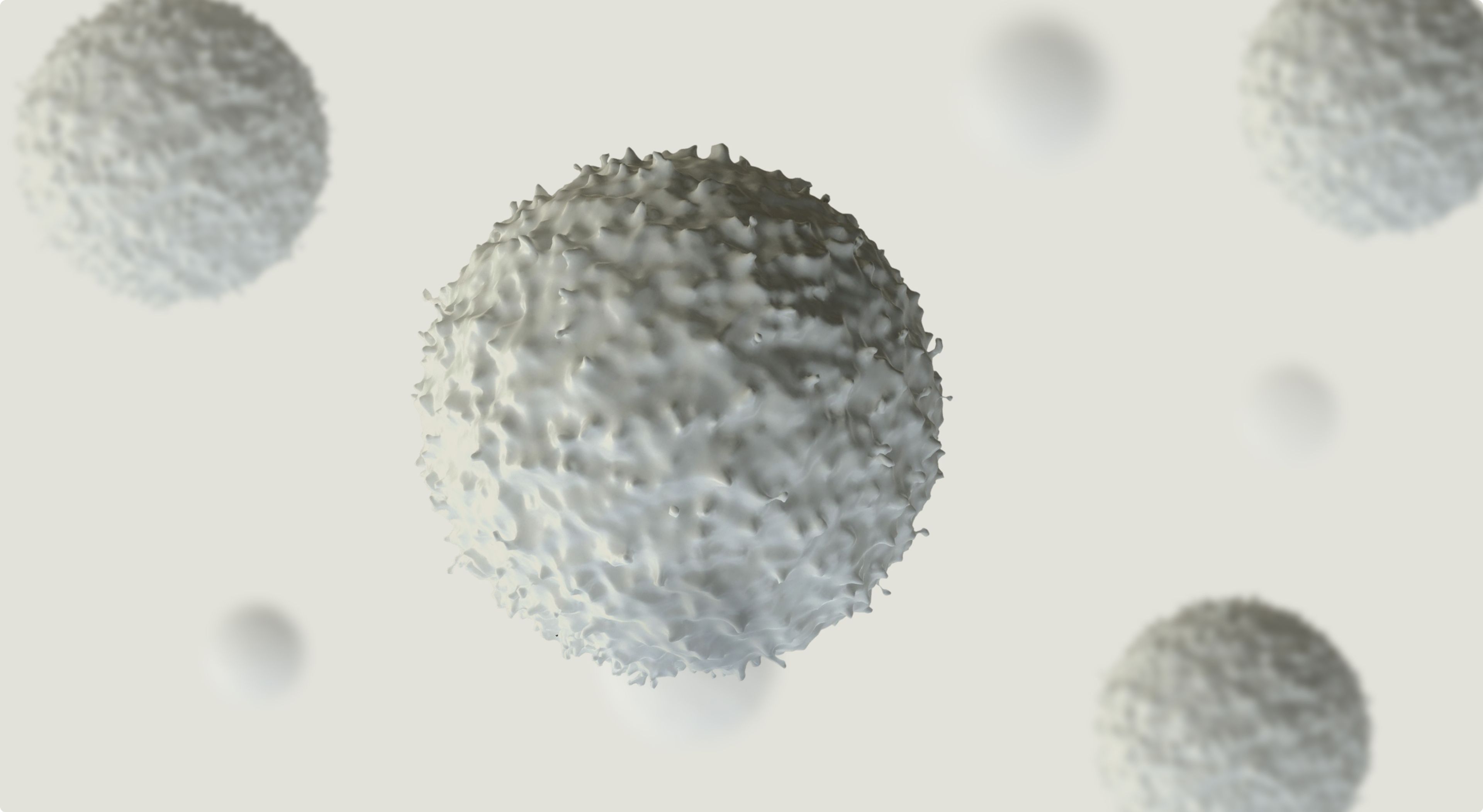
As we age, immune function naturally declines. This occurs gradually as certain immune cells, such as T cells, become less responsive, increasing susceptibility to infections and slowing healing[2]. In addition, senescent cells accumulate.[3] These “zombie-like” cells have lost their ability to divide and function optimally, but they don’t die off as they should. Instead, they can build up over time, contributing to chronic inflammation and reduced immune resilience with age.
Poor nutrition
A diet low in immunity-supporting nutrients[4], such as vitamin C, D, and zinc, can impair immune cell function and production over time. This can make the body less resilient to fight disease-causing germs when they come your way.
Chronic stress
A little bit of stress is not harmful, but chronic, ongoing stress can weaken immune responses. This is partially due to chronically high cortisol levels[5], the stress hormone that can alter immune activity. For example, research shows prolonged high cortisol reduces the activity of T cells, a key vital white blood cell in the immune system
Lack of sleep
According to the Centers for Disease Control and Prevention (CDC)[6], nearly 20% of U.S. adults have trouble falling or staying asleep. Consistently poor or insufficient sleep can reduce T-cell activity[7] and weaken the body’s ability to fight infections.
Underlying health conditions
Chronic health conditions such as obesity, diabetes, and cardiovascular disease are often associated with persistent low-grade inflammation. This ongoing inflammatory state can disrupt normal immune signaling and reduce the body’s ability to mount an effective immune response over time, leaving the immune system less resilient to infections or other stressors.[8]
Poor gut health
70% of of immune cells reside in the gut, and an imbalance in the gut microbiome can disrupt immune signaling. When the gut barrier becomes compromised, it may allow unwanted particles to pass into circulation, further challenging immune function over time.[9]
Lack of physical activity
Regular movement supports immune surveillance and helps regulate inflammation. [10]Moderate exercise has been shown to enhance immune cell circulation and responsiveness. In contrast, prolonged inactivity can impair immune regulation, contribute to metabolic dysfunction, and increase chronic low-grade inflammation, all of which can weaken overall immune resilience.

How Are Immunity and Fatigue Connected?
Fatigue can be a subtle sign of a weakened immune system. When immunity is impaired or constantly activated, the body has to work harder to maintain basic defenses, which can drain your cellular energy. This is more common in conditions involving overactive immune responses, such as in Chronic Fatigue Syndrome[11], where fatigue lasts over six months and does not improve with rest.
It’s important to differentiate between typical tiredness and chronic fatigue. Feeling worn out after a late night, poor sleep, or a demanding workout is normal and usually resolves with adequate rest and recovery.
Chronic fatigue, however, tends to persist despite enough sleep and downtime and may signal underlying immune stress. In these cases, fatigue is not just a lack of energy, but a sign that the immune system may be struggling to function efficiently. If you’re unsure if the level of your fatigue is “normal,” consult with your doctor for guidance.

How To Support Your Immune System?
Several lifestyle changes can support your immune system and reduce fatigue, including diet, exercise, sleep, stress management, and more.
Diet
Having a diet rich in immune-supporting foods and nutrients[12] can provide the building blocks for immune cells. Include vitamins and minerals such as vitamin C, D, magnesium, and zinc that are plentiful in fruits, veggies, fish, seafood, nuts, and seeds.
Movement
Research shows[𝑛] that physical activity is beneficial in improving the immune system and helping to prevent infections. Getting in more movement increases circulation, helping immune cells move more easily to where they need to go and reducing overall inflammation.[13]
Improving sleep quality
Getting quality sleep also supports immune health.[14] Consistency is key, so try to go to bed close to the same time every night, limit screens and bright lights an hour before bed, and adopt a relaxing routine to wind you down. For example, taking a warm bath, drinking herbal tea, or reading a good book can calm you and signal to your brain it’s time for sleep.
Stress management
One of the best ways to avoid excess stress[15] on your immune system is by managing life’s day-to-day stressors. Spend at least a few minutes a day (and ideally, multiple times a day) deep breathing, meditating, going for a walk, listening to calming music, or taking a hot bath with Epsom salt.
Optimizing mitochondrial health
While mitochondria are best known for producing cellular energy, they also play a central role in immune function. As we age, mitochondrial performance declines, contributing to immune aging and reduced resilience.[16]
This is where Mitopure comes in. Mitopure works by supporting mitochondrial renewal, helping cells maintain healthier energy production. Researchers recently tested whether Mitopure could impact immune fitness.^
In a double-blind, placebo-controlled trial published in Nature, 50 healthy adults aged 45–70 received either 1000 mg of Mitopure (Urolithin A) or a placebo daily for 28 days. Researchers then evaluated key hallmarks of immune aging. The results showed that restoring mitochondrial function translated into measurable immune benefits:[17]
- Supports immune fitness: Participants taking Urolithin A showed increased levels of naïve CD8+ T cells and reduced signs of cellular exhaustion, suggesting stronger immune readiness.
- Healthier immune cell metabolism: Immune cells shifted toward cleaner fuel sources like fatty acids and amino acids rather than relying heavily on glucose, supporting more efficient and balanced immune responses.
- Improved immune cell performance: When tested in the lab, immune cells from supplemented participants more effectively cleared E. coli particles, reflecting a more youthful immune profile[18].
When to See a Doctor
If fatigue is severe, persistent, or doesn’t improve with sleep, nutrition, and lifestyle changes, it’s important to consult your doctor to rule out underlying medical conditions.
In addition, frequent or prolonged illnesses, unusual or uncommon infections, or ongoing immune-related symptoms may signal immune dysfunction that requires medical evaluation.
Always seek professional guidance if fatigue or immune symptoms feel unmanageable, worsen over time, or interfere with your daily life.
Final Words
Fatigue isn’t always just a sign of being busy or sleep-deprived; it can be your body’s way of signaling your immune system needs a check-up. While lifestyle factors like nutrition, sleep, stress, and movement play a powerful role in immune health, persistent or unexplained fatigue deserves attention and, oftentimes, medical guidance. By recognizing the early signs and prioritizing immune-supportive habits, you can better protect your energy, resilience, and well-being.
^Our randomized, placebo-controlled clinical study showed that supplementation with Mitopure® 1,000mg for 4 weeks was associated with improvements in mitochondrial health of immune cells, favorable shifts in T-cell populations (including naïve cells), and markers of healthy immune function, in healthy, middle-aged adults
Authors

Written by
Dietitian-Nutritionist, and Health Content Writer

Reviewed by
Director Science Communications
References
- ↑
Graves, B. S., Patel, M., Newgent, H., Parvathy, G., Nasri, A., Moxam, J., Gill, G. S., Sawhney, V., & Gupta, M. (2024). Chronic Fatigue Syndrome: Diagnosis, Treatment, and Future Direction. Cureus, 16(10), e70616. https://doi.org/10.7759/cureus.70616 (https://www.google.com/url?q=https://doi.org/10.7759/cureus.70616&sa=D&source=docs&ust=1772854514391677&usg=AOvVaw0YCj8M-q02tjixoDWFRJ6_)
- ↑
de Boer RJ, Tesselaar K, Borghans JAM. Better safe than sorry: Naive T-cell dynamics in healthy ageing. Seminars in Immunology. 2023;70:101839. doi:https://doi.org/10.1016/j.smim.2023.101839 (https://www.google.com/url?q=https://doi.org/10.1016/j.smim.2023.101839&sa=D&source=docs&ust=1773693806724820&usg=AOvVaw3DN9b6TpBC2nSprOFOPdPU)
- ↑
Lee KA, Flores RR, Jang IH, Saathoff A, Robbins PD. Immune Senescence, Immunosenescence and Aging. Front Aging. 2022 May 30;3:900028. doi: 10.3389/fragi.2022.900028. PMID: 35821850; PMCID: PMC9261375.
- ↑
Munteanu C, Schwartz B. The relationship between nutrition and the immune system. Front Nutr. 2022 Dec 8;9:1082500. doi: 10.3389/fnut.2022.1082500. PMID: 36570149; PMCID: PMC9772031.
- ↑
Alotiby A. Immunology of Stress: A Review Article. J Clin Med. 2024 Oct 25;13(21):6394. doi: 10.3390/jcm13216394. PMID: 39518533; PMCID: PMC11546738.
- ↑
Adjaye-Gbewonyo D. Products - Data Briefs - Number 436 - June 2022. www.cdc.gov (https://www.google.com/url?q=http://www.cdc.gov&sa=D&source=docs&ust=1772854514371880&usg=AOvVaw2x48uDP8Zt3RH0zr0LXMBI). Published July 7, 2022. https://www.cdc.gov/nchs/products/databriefs/db436.htm (https://www.google.com/url?q=https://www.cdc.gov/nchs/products/databriefs/db436.htm&sa=D&source=docs&ust=1772854514371922&usg=AOvVaw2L4BCs7RMza3lPUzp_ds1g)
- ↑
Garbarino S, Lanteri P, Bragazzi NL, Magnavita N, Scoditti E. Role of sleep deprivation in immune-related disease risk and outcomes. Commun Biol. 2021 Nov 18;4(1):1304. doi: 10.1038/s42003-021-02825-4. PMID: 34795404; PMCID: PMC8602722.
- ↑
Furman D, Campisi J, Verdin E, et al. Chronic inflammation in the etiology of disease across the life span. Nat Med. 2019;25(12):1822-1832. doi:10.1038/s41591-019-0675-0
- ↑
Wiertsema SP, van Bergenhenegouwen J, Garssen J, Knippels LMJ. The Interplay between the Gut Microbiome and the Immune System in the Context of Infectious Diseases throughout Life and the Role of Nutrition in Optimizing Treatment Strategies. Nutrients. 2021;13(3):886. Published 2021 Mar 9. doi:10.3390/nu13030886
- ↑
Nieman DC, Wentz LM. The compelling link between physical activity and the body's defense system. J Sport Health Sci. 2019;8(3):201-217. doi:10.1016/j.jshs.2018.09.009
- ↑
Overactive immune responses in ME/CFS. National Institutes of Health (NIH). Published September 23, 2025. https://www.nih.gov/news-events/nih-research-matters/overactive-immune-responses-mecfs (https://www.google.com/url?q=https://www.nih.gov/news-events/nih-research-matters/overactive-immune-responses-mecfs&sa=D&source=docs&ust=1772854514384905&usg=AOvVaw3K6zD9MUwd8rWNXqyqYsOI)
- ↑
Shao T, Verma HK, Pande B, Costanzo V, Ye W, Cai Y, Bhaskar LVKS. Physical Activity and Nutritional Influence on Immune Function: An Important Strategy to Improve Immunity and Health Status. Front Physiol. 2021 Oct 8;12:751374. doi: 10.3389/fphys.2021.751374. PMID: 34690818; PMCID: PMC8531728.
- ↑
da Luz Scheffer D, Latini A. Exercise-induced immune system response: Anti-inflammatory status on peripheral and central organs. Biochimica et Biophysica Acta Molecular Basis of Disease. 2020;1866(10). doi:https://doi.org/10.1016/j.bbadis.2020.165823 (https://www.google.com/url?q=https://doi.org/10.1016/j.bbadis.2020.165823&sa=D&source=docs&ust=1772854514388942&usg=AOvVaw1LLkKrA1myxdlfAcUuspTc)
- ↑
Singh KK, Ghosh S, Bhola A, Verma P, Amist AD, Sharma H, Sachdeva P, Sinha JK. Sleep and Immune System Crosstalk: Implications for Inflammatory Homeostasis and Disease Pathogenesis. Ann Neurosci. 2024 Sep 20;32(3):196-206. doi: 10.1177/09727531241275347. PMID: 39544655; PMCID: PMC11559494.
- ↑
Alotiby A. Immunology of Stress: A Review Article. J Clin Med. 2024 Oct 25;13(21):6394. doi: 10.3390/jcm13216394. PMID: 39518533; PMCID: PMC11546738.
- ↑
Faas MM, de Vos P. Mitochondrial function in immune cells in health and disease. Biochim Biophys Acta Mol Basis Dis. 2020 Oct 1;1866(10):165845. doi: 10.1016/j.bbadis.2020.165845. Epub 2020 May 28. PMID: 32473386.
- ↑
Denk, D., Singh, A., Kasler, H. G., D'Amico, D., Rey, J., Alcober-Boquet, L., Gorol, J. M., Steup, C., Tiwari, R., Kwok, R., Argüello, R. J., Faitg, J., Sprinzl, K., Zeuzem, S., Nekljudova, V., Loibl, S., Verdin, E., Rinsch, C., & Greten, F. R. (2025). Effect of the mitophagy inducer urolithin A on age-related immune decline: a randomized, placebo-controlled trial. Nature aging, 5(11), 2309–2322. https://doi.org/10.1038/s43587-025-00996-x (https://www.google.com/url?q=https://doi.org/10.1038/s43587-025-00996-x&sa=D&source=docs&ust=1773693806749244&usg=AOvVaw2lh8Qnfcsifx-wWzfFJGDm)
- ↑
Denk, D., Singh, A., Kasler, H. G., D'Amico, D., Rey, J., Alcober-Boquet, L., Gorol, J. M., Steup, C., Tiwari, R., Kwok, R., Argüello, R. J., Faitg, J., Sprinzl, K., Zeuzem, S., Nekljudova, V., Loibl, S., Verdin, E., Rinsch, C., & Greten, F. R. (2025). Effect of the mitophagy inducer urolithin A on age-related immune decline: a randomized, placebo-controlled trial. Nature aging, 5(11), 2309–2322. https://doi.org/10.1038/s43587-025-00996-x (https://www.google.com/url?q=https://doi.org/10.1038/s43587-025-00996-x&sa=D&source=docs&ust=1772854514395780&usg=AOvVaw0DP8SnfRG4eQZ4qhRnoHur)