Why Are Mitochondria Important? Benefits Explained
More than just the powerhouse of the cell—mitochondria shape your health in ways you never knew. Here’s how to support them.
What to know
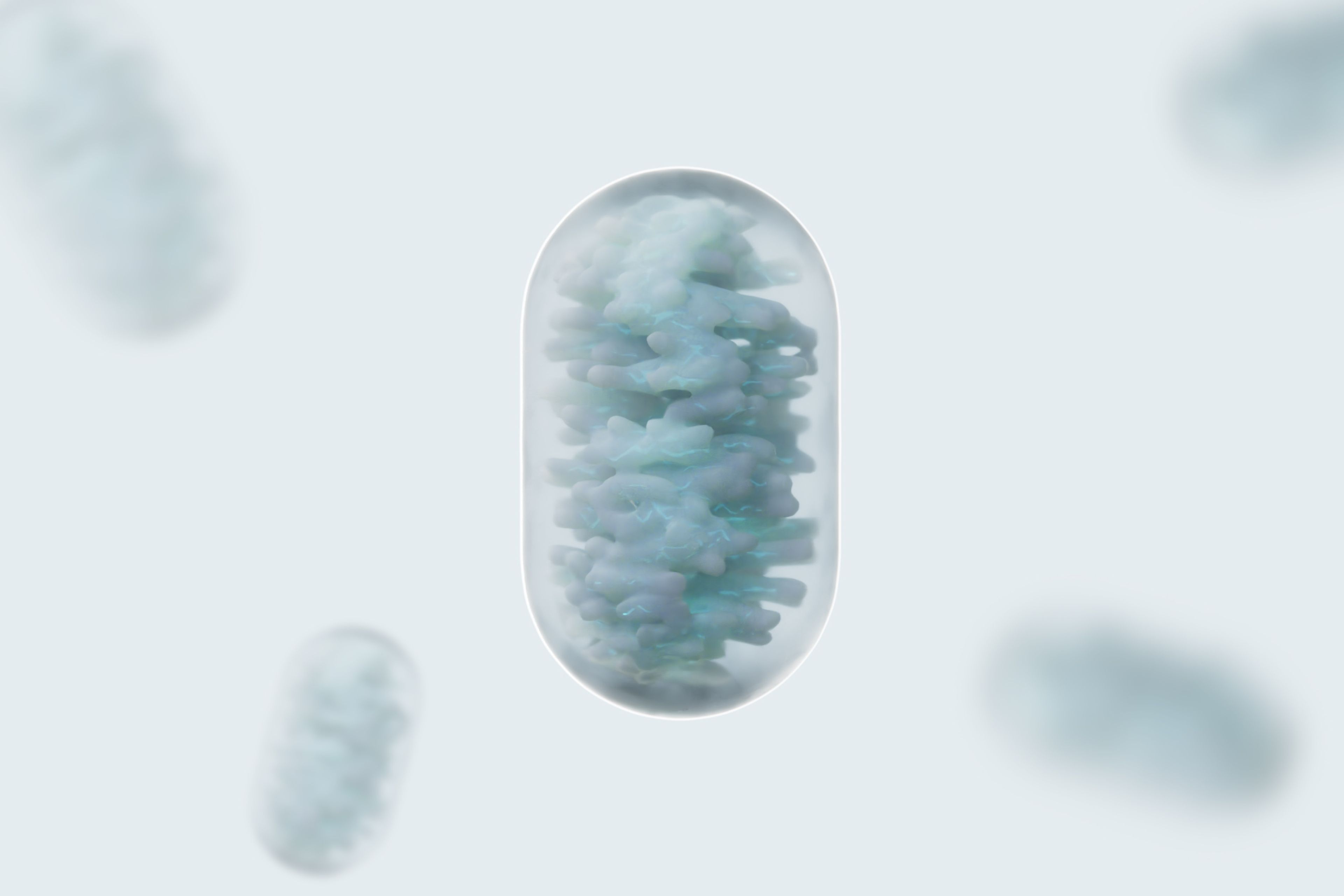
Mitochondria are often called the “powerhouses” of the cell, as they produce the energy your body needs to function.
They also help support metabolism, muscle health, immune function, sleep, and healthy aging.
As we age, mitochondrial function naturally declines, which may contribute to lower energy, reduced muscle strength, and slower recovery.
Daily habits may help support healthier mitochondria over time.
Mitopure® is one of the most researched compounds for mitochondrial health and may help support mitochondrial renewal and muscle function.
Our mitochondria do a lot more than just produce energy. Mitochondria are at the center of nearly every essential process in the body, involved in metabolism regulation, immune response, hormone synthesis, circadian rhythm, cellular repair, and much more.
So while the phrase “powerhouse of the cell” is commonly used to describe the mitochondria’s role in producing cellular energy, there is much more to them than what meets the eye.
Read on to learn about the essential role these organelles play in our health.
What Are Mitochondria?
The mitochondria are energy-generating structures present in almost every cell in our body. Because mitochondria produce 90% of our cellular energy, they are most abundant in organs with higher energy demands, such as the muscles, heart, liver, and brain.[1]
Mitochondrial decline in function and efficiency[2] is a fundamental hallmark of aging. Over time, mitochondria can become damaged or less effective at producing energy, which may contribute to fatigue, loss of muscle mass and strength, and other age-related slowdowns.
As research on mitochondrial health continues to grow, it’s becoming increasingly clear that well-functioning mitochondria are essential for healthy aging, muscle health, exercise performance, and overall longevity.
What Do Mitochondria Do?
Why are mitochondria important to our health? For starters, they do far more than power our cells. Mitochondria play a central role in metabolism, muscle health, aging, and overall cellular function.
Let’s take a deeper look.
1. Promote cellular health
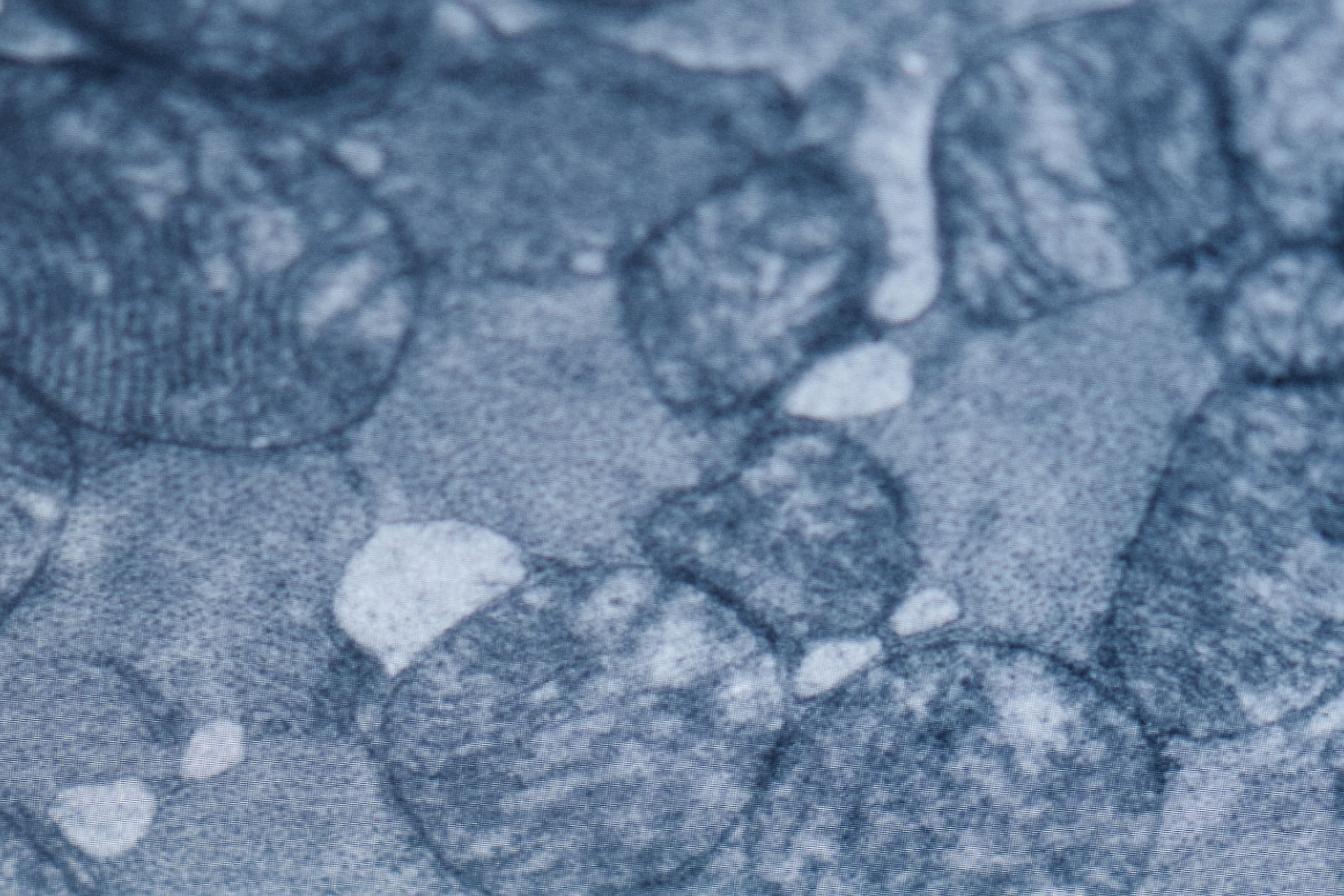
Communication between cells would not be possible without the mitochondrial game of telephone. These tiny powerhouses continuously receive and send cellular signals that influence everything from cellular destruction to repair and renewal.
One important role of mitochondria for cellular health is helping remove damaged cells through a natural process called apoptosis, or “programmed cell death.”[3] With this, the mitochondria support necessary cellular cleanup processes like autophagy, which help recycle worn-out cell parts with healthier ones.
The mitochondria also maintain their own quality control process called mitophagy, which helps break down defective mitochondria.[4] This process is essential for maintaining an efficient energy supply and helping keep cells performing optimally.[5]
They also help regulate calcium levels, which are needed for muscle contraction, nerve signaling, and hormone release.
2. Support immune health
Mitochondria help power the immune system by providing energy to immune cells and helping to coordinate how the body responds to foreign invaders like bacteria and viruses. When the body detects stress, mitochondria help activate immune signaling pathways. Healthy mitochondrial function may help support immune balance over time, while dysfunctional mitochondria[6] can weaken it.
In fact, a recent clinical trial[7] in Nature Aging found that supporting mitochondrial health with 1000mg daily of Mitopure (a pure, clinically validated Urolithin A supplement) may help maintain healthy immune function with age.***
Emerging research[8] also shows that mitochondria play a role in the inflammation response.
***Our randomized, placebo-controlled clinical study showed that supplementation with Mitopure® 1,000mg for 4 weeks was associated with improvements in mitochondrial health of immune cells, favorable shifts in T-cell populations (including naïve cells), and markers of healthy immune function, in healthy, middle-aged adults.
3. Regulate metabolism
As the energetic hub of the cell, mitochondria are also closely tied to metabolic health, muscle function, and insulin sensitivity.[9] As mitochondrial function declines with age, energy[10] production and metabolic efficiency may decline as well.
The mitochondria influence how efficiently the body converts food into usable energy. They do this by converting the three macronutrients (carbs, protein, and fats) into cellular energy called adenosine triphosphate or ATP.[11] This is how mitochondria make energy to power our bodies into motion.
We can support our mitochondria’s role in energy metabolism with physical activity. Research has shown that regular exercise,[12] both endurance and strength training, may help support healthier mitochondrial function over time. High-intensity interval training, better known as HIIT, may play an especially important role in the creation of new mitochondria through a process called biogenesis.
Bottom line: these energy generators are key players for well-functioning metabolism.

4. Maintain muscle health
As we age, mitochondrial function naturally declines, which is one of the contributors to reduced muscle strength, lower energy levels, and a gradually slowing metabolism. One big piece of the metabolic health puzzle is optimizing both muscle quality and mass.
As the energy suppliers for muscles, mitochondria are essential for overall muscle health and the muscle’s ability to efficiently move, recover, and perform. They also help produce important compounds[13] involved in muscle building, recovery, hormone production, and overall metabolism, including cellular energy, building blocks for muscle repair, and healthy fats needed for proper cell function.
Mitopure, a targeted mitochondrial supplement, carries exercise-like effects and was clinically shown to increase muscle strength in middle-aged adults[14] without changing diet or exercise.*

5. Influence circadian rhythm
Mitochondria help regulate the body’s circadian rhythm, the internal 24-hour clock that influences sleep, energy, metabolism, and recovery.[15] Because mitochondria control cellular energy production, they naturally help support the body’s daytime energy demands and nighttime repair processes. Having an effectively regulated circadian rhythm means more energy during the day when you need it and an easier ability to wind down at night for rest and recovery.
Healthy mitochondria may also support your sleep-wake cycle as they play an important role in the production of melatonin, the hormone that supports healthy sleep.[16]
The relationship between our mitochondria and circadian rhythm is bidirectional: we need to support mitochondrial health through adequate sleep, stress management, and consistent daily routines, and healthy mitochondria support the circadian rhythm. Healthy sleep patterns help regulate the body’s natural repair and recovery processes, while chronic sleep disruption and stress may negatively impact mitochondrial function over time.
6. Support skin health
Mitochondria are considered central regulators of skin health and aging.[17] As mitochondrial function declines with age, skin cells lose some of their capacity for renewal, which can show up as visible wrinkles, thinning, and reduced resilience.[18]
Skin is also constantly exposed to external stressors, especially sunlight, that accelerate this process. Supporting mitochondrial health is increasingly recognized as one pathway to healthier-looking skin over time.
This is where Urolithin A is showing promise topically. In a series of randomized clinical trials, topical Mitopure was shown to † :
- Visibly reduce the appearance of wrinkle depth and volume.[19]
- Activate genes involved in collagen organization and assembly.[20]
- Lead to a 14% reduction in UV-induced redness within 24 hours, helping counteract one of the visible effects of photodamage.[21]
† Based on randomized clinical trials of topical Urolithin A in women aged 50-75 and a placebo-controlled UVB study. Reflects the Mitopure ingredient in topical formulations, not the oral supplement.

How to Improve Mitochondrial Health: 5 Evidence-Backed Habits
Some of the most effective ways to protect mitochondria as you age are also the most foundational: regular movement, quality sleep, stress management, and a nutrient-rich eating pattern.
1. Prioritize movement
Exercise is one of the most powerful ways to boost mitochondrial health.[22] Both aerobic exercise (like walking, cycling, and swimming) and resistance training (like lifting weights, using resistance bands, or bodyweight movements like push-ups) support mitochondrial health.
Research continues to show that regular movement supports energy production, metabolic health, muscle function and strength, and healthy aging, making exercise one of the most powerful lifestyle tools for mitochondrial resilience.
If you’re new to exercise, start small and gradually build up the duration, intensity, and resistance over time.
2. Eat foods that support mitochondria
What you eat directly impacts how well your mitochondria function. A diet rich in whole, minimally processed foods like fruits, vegetables, olive oil, legumes, nuts, and seafood provides the nutrients mitochondria need to efficiently produce energy.
This eating pattern is similar to a Mediterranean diet, which is linked to healthier mitochondrial function and metabolic health. Additionally, eating specific plant compounds called polyphenols[23] found in foods like pomegranates and berries may further protect mitochondria from damage over time.
3. Take a targeted supplement
While diet and lifestyle are the foundation, evidence-based supplements can further support mitochondrial health. When it comes to clinically-trialed options, one of the best supplements for mitochondrial health is Mitopure, a Urolithin A supplement, which has shown potential to promote mitochondrial renewal via mitophagy.[24]
Mitopure® is backed by multiple placebo-controlled human clinical trials. With one daily 500mg dose, it's clinically shown to*:
- Increase muscle strength by up to 12% in 16 weeks[25]
- Increase mitochondrial renewal by 40% over baseline after 16 weeks[26]
- Stimulate mitophagy, your body's natural cellular cleanup process, to renew cellular energy[27]
Mitopure Gummies
4.8 (2047) · 98% recommend
A strawberry-flavored dose of cellular energy
4. Rest and reset with intermittent fasting
Periods without food, such as overnight fasting or time-restricted eating[28],[28] may help support mitochondrial repair and renewal. During these periods, the body increases cellular cleanup processes like mitophagy.
If fasting is new to you, trialing a more flexible fasting routine, such as a 12-hour overnight fasting window, can be a great starting point to support metabolic health and cellular recovery. However, fasting is not appropriate for everyone, so be sure to consult with your doctor before starting.
5. Prioritize sleep and manage stress
Your mitochondria rely on adequate rest and recovery. Poor sleep and chronic stress can increase inflammation and oxidative stress, which may negatively affect mitochondrial function over time.[29]
Prioritizing 7-9 hours of quality sleep, maintaining a consistent sleep schedule, and incorporating stress-reducing habits (e.g., walking, meditation, deep breathing, or spending time outdoors) may help support healthier mitochondria, energy levels, and overall resilience.
Final Words
Your mitochondria do more than just produce energy; they influence nearly every aspect of your health, including metabolism, muscle health, immune function, sleep-wake cycles, and more.
Learning how to protect mitochondria as you age is essential and doesn’t have to feel daunting. By making small, intentional lifestyle choices, you can support your mitochondria and, in turn, your overall well-being.
Show them some love, and they’ll give it right back with better energy, resilience, and long-term health.
Authors

Written by
Director Science Communications

Reviewed by
Lead Regulatory Affairs & Scientific Manager Alliances at Timeline
References
- ↑
Moura JP, Oliveira PJ, Urbano AM. Mitochondria: An overview of their origin, genome, architecture, and dynamics. Biochimica et Biophysica Acta (BBA) - Molecular Basis of Disease. 2025;1871(5):167803. doi:https://doi.org/10.1016/j.bbadis.2025.167803
Zhang, D., Keilty, D., Zhang, Z. F., & Chian, R. C. (2017). Mitochondria in oocyte aging: current understanding. Facts, views & vision in ObGyn, 9(1), 29–38.
- ↑
Xu, X., Pang, Y. & Fan, X. Mitochondria in oxidative stress, inflammation and aging: from mechanisms to therapeutic advances. Sig Transduct Target Ther 10, 190 (2025). https://doi.org/10.1038/s41392-025-02253-4
- ↑
Cleveland Clinic. Apoptosis (Programmed Cell Death). Cleveland Clinic. Published September 13, 2024. https://my.clevelandclinic.org/health/articles/apoptosis
- ↑
Li A, Gao M, Liu B, Qin Y, Chen L, Liu H, Wu H, Gong G. Mitochondrial autophagy: molecular mechanisms and implications for cardiovascular disease. Cell Death Dis. 2022 May 9;13(5):444. doi: 10.1038/s41419-022-04906-6. PMID: 35534453; PMCID: PMC9085840.
- ↑
Chiarelli R, Caradonna F, Naselli F. Autophagy and nutrigenomics: a winning team against chronic disease and tumors. Front Nutr. 2024 Dec 5;11:1409142. doi: 10.3389/fnut.2024.1409142. PMID: 39703336; PMCID: PMC11655209.
- ↑
Zong Y, Li H, Liao P, Chen L, Pan Y, Zheng Y, Zhang C, Liu D, Zheng M, Gao J. Mitochondrial dysfunction: mechanisms and advances in therapy. Signal Transduct Target Ther. 2024 May 15;9(1):124. doi: 10.1038/s41392-024-01839-8. PMID: 38744846; PMCID: PMC11094169.
- ↑
Denk, D., Singh, A., Kasler, H.G. et al. Effect of the mitophagy inducer urolithin A on age-related immune decline: a randomized, placebo-controlled trial. Nat Aging 5, 2309–2322 (2025). https://doi.org/10.1038/s43587-025-00996-x
- ↑
Xu, X., Pang, Y. & Fan, X. Mitochondria in oxidative stress, inflammation and aging: from mechanisms to therapeutic advances. Sig Transduct Target Ther 10, 190 (2025). https://doi.org/10.1038/s41392-025-02253-4
- ↑
Fiorenza M, Onslev J, Henríquez-Olguín C, et al. Reducing the mitochondrial oxidative burden alleviates lipid-induced muscle insulin resistance in humans. Science Advances. 2024;10(44). doi:https://doi.org/10.1126/sciadv.adq4461
- ↑
Xu, X., Pang, Y. & Fan, X. Mitochondria in oxidative stress, inflammation and aging: from mechanisms to therapeutic advances. Sig Transduct Target Ther 10, 190 (2025). https://doi.org/10.1038/s41392-025-02253-4
- ↑
Trinchese G, Cimmino F, Catapano A, Cavaliere G and Mollica MP (2024) Mitochondria: the gatekeepers between metabolism and immunity. Front. Immunol. 15:1334006. doi: 10.3389/fimmu.2024.1334006
- ↑
Mølmen KS, Almquist NW, Skattebo Ø. Effects of Exercise Training on Mitochondrial and Capillary Growth in Human Skeletal Muscle: A Systematic Review and Meta-Regression. Sports Med. 2025 Jan;55(1):115-144. doi: 10.1007/s40279-024-02120-2. Epub 2024 Oct 10. PMID: 39390310; PMCID: PMC11787188.
- ↑
Dong H, Tsai SY. Mitochondrial Properties in Skeletal Muscle Fiber. Cells. 2023 Aug 30;12(17):2183. doi: 10.3390/cells12172183. PMID: 37681915; PMCID: PMC10486962.
- ↑
Singh A, D'Amico D, Andreux PA, Fouassier AM, Blanco-Bose W, Evans M, Aebischer P, Auwerx J, Rinsch C. Urolithin A improves muscle strength, exercise performance, and biomarkers of mitochondrial health in a randomized trial in middle-aged adults. Cell Rep Med. 2022 May 17;3(5):100633. doi: 10.1016/j.xcrm.2022.100633. PMID: 35584623; PMCID: PMC9133463.
- ↑
Kim J, Sun W. Circadian coordination: understanding interplay between circadian clock and mitochondria. Anim Cells Syst (Seoul). 2024 May 7;28(1):228-236. doi: 10.1080/19768354.2024.2347503. PMID: 38721230; PMCID: PMC11078072.
- ↑
Melhuish Beaupre, L.M., Brown, G.M., Gonçalves, V.F. et al. Melatonin’s neuroprotective role in mitochondria and its potential as a biomarker in aging, cognition and psychiatric disorders. Transl Psychiatry 11, 339 (2021). https://doi.org/10.1038/s41398-021-01464-x
- ↑
Antonevich, S. M., Miller, K. M., Hu, S., Rodriguez-Silva, M., Moraes, C. T., & Jozic, I. (2026). The Mitochondrial Blueprint of Skin Aging: From Damage Signals to Dermatologic Interventions. Aging and disease, 10.14336/AD.2025.1585. Advance online publication. https://doi.org/10.14336/AD.2025.1585
- ↑
Antonevich, S. M., Miller, K. M., Hu, S., Rodriguez-Silva, M., Moraes, C. T., & Jozic, I. (2026). The Mitochondrial Blueprint of Skin Aging: From Damage Signals to Dermatologic Interventions. Aging and disease, 10.14336/AD.2025.1585. Advance online publication. https://doi.org/10.14336/AD.2025.1585
- ↑
Topical application of Urolithin A slows intrinsic skin aging and protects from UVB-mediated photodamage: Findings from Randomized Clinical Trials. D D’Amico, AM Fouassier, J Faitg, N Hennighausen, M Brandt, D Konstantopoulos, C Rinsch, A Singh medRxiv 2023.06.16.23291378; doi: https://doi.org/10.1101/2023.06.16.23291378 (https://www.google.com/url?q=https://doi.org/10.1101/2023.06.16.23291378&sa=D&source=docs&ust=1781265626363781&usg=AOvVaw3m-gVwZgE9E2xUCKdUlT-y) (https://www.google.com/url?q=https://doi.org/10.1101/2023.06.16.23291378&sa=D&source=docs&ust=1745857986976886&usg=AOvVaw0Xxu-iuB36mHPYj2yC1vx2)t
- ↑
Topical application of Urolithin A slows intrinsic skin aging and protects from UVB-mediated photodamage: Findings from Randomized Clinical Trials. D D’Amico, AM Fouassier, J Faitg, N Hennighausen, M Brandt, D Konstantopoulos, C Rinsch, A Singh medRxiv 2023.06.16.23291378; doi: https://doi.org/10.1101/2023.06.16.23291378
- ↑
Topical application of Urolithin A slows intrinsic skin aging and protects from UVB-mediated photodamage: Findings from Randomized Clinical Trials. D D’Amico, AM Fouassier, J Faitg, N Hennighausen, M Brandt, D Konstantopoulos, C Rinsch, A Singh medRxiv 2023.06.16.23291378; doi: https://doi.org/10.1101/2023.06.16.23291378
- ↑
Mølmen KS, Almquist NW, Skattebo Ø. Effects of Exercise Training on Mitochondrial and Capillary Growth in Human Skeletal Muscle: A Systematic Review and Meta-Regression. Sports Med. 2025 Jan;55(1):115-144. doi: 10.1007/s40279-024-02120-2. Epub 2024 Oct 10. PMID: 39390310; PMCID: PMC11787188.
- ↑
Ciupei D, Colişar A, Leopold L, Stănilă A, Diaconeasa ZM. Polyphenols: From Classification to Therapeutic Potential and Bioavailability. Foods. 2024 Dec 20;13(24):4131. doi: 10.3390/foods13244131. PMID: 39767073; PMCID: PMC11675957.
- ↑
Singh A, D'Amico D, Andreux PA, Fouassier AM, Blanco-Bose W, Evans M, Aebischer P, Auwerx J, Rinsch C. Urolithin A improves muscle strength, exercise performance, and biomarkers of mitochondrial health in a randomized trial in middle-aged adults. Cell Rep Med. 2022 May 17;3(5):100633. doi: 10.1016/j.xcrm.2022.100633. PMID: 35584623; PMCID: PMC9133463.
- ↑
Singh, A., D'Amico, D., Andreux, P. A., Fouassier, A. M., Blanco-Bose, W., Evans, M., Aebischer, P., Auwerx, J., & Rinsch, C. (2022). Urolithin A improves muscle strength, exercise performance, and biomarkers of mitochondrial health in a randomized trial in middle-aged adults. Cell reports. Medicine, 3(5), 100633. https://doi.org/10.1016/j.xcrm.2022.100633
- ↑
Singh, A., D'Amico, D., Andreux, P. A., Fouassier, A. M., Blanco-Bose, W., Evans, M., Aebischer, P., Auwerx, J., & Rinsch, C. (2022). Urolithin A improves muscle strength, exercise performance, and biomarkers of mitochondrial health in a randomized trial in middle-aged adults. Cell reports. Medicine, 3(5), 100633. https://doi.org/10.1016/j.xcrm.2022.100633
- ↑
Faitg, J., D'Amico, D., Rinsch, C., & Singh, A. (2024). Mitophagy Activation by Urolithin A to Target Muscle Aging. Calcified tissue international, 114(1), 53–59. https://doi.org/10.1007/s00223-023-01145-5
- ↑
Parrotta, M.E., Colangeli, L., Scipione, V. et al. Time Restricted Eating: A Valuable Alternative to Calorie Restriction for Addressing Obesity?. Curr Obes Rep 14, 17 (2025). https://doi.org/10.1007/s13679-025-00609-z
- ↑
Chen, S., Xie, Y., Liang, Z., Lu, Y., Wang, J., Xing, F., Mao, Y., Wei, X., Wang, Z., Yang, J., & Yuan, J. (2024). A Narrative Review of the Reciprocal Relationship Between Sleep Deprivation and Chronic Pain: The Role of Oxidative Stress. Journal of pain research, 17, 1785–1792. https://doi.org/10.2147/JPR.S455621
Picard, M., & McEwen, B. S. (2018). Psychological Stress and Mitochondria: A Systematic Review. Psychosomatic medicine, 80(2), 141–153. https://doi.org/10.1097/PSY.0000000000000545