





Decoding Mitophagy: Insights for Aging and Longevity
Explore mitophagy's crucial role in aging and health, from muscle and brain function to immune health. Learn what the latest research says.
What to know
Mitophagy, the process of recycling damaged mitochondria, is crucial for maintaining cellular health and function, especially as we age
Research shows that mitophagy is vital for the health of our muscles, heart, brain, and immune systems
While there is still much to learn about the role of mitophagy and human health, clearly, it is a key player in the story of aging and health
Inside nearly every cell in your body are mitochondria, tiny organelles responsible for generating the energy your cells need to function. Far more than just the “powerhouses of the cell,” mitochondria play a central role in maintaining muscle function, metabolic and skin health, and healthy aging overall.
As we age, mitochondrial efficiency diminishes, playing a significant role in the onset of age-related chronic diseases. This decline in mitochondrial function is now recognized as one of the hallmarks of aging and has been linked to many age-related changes.
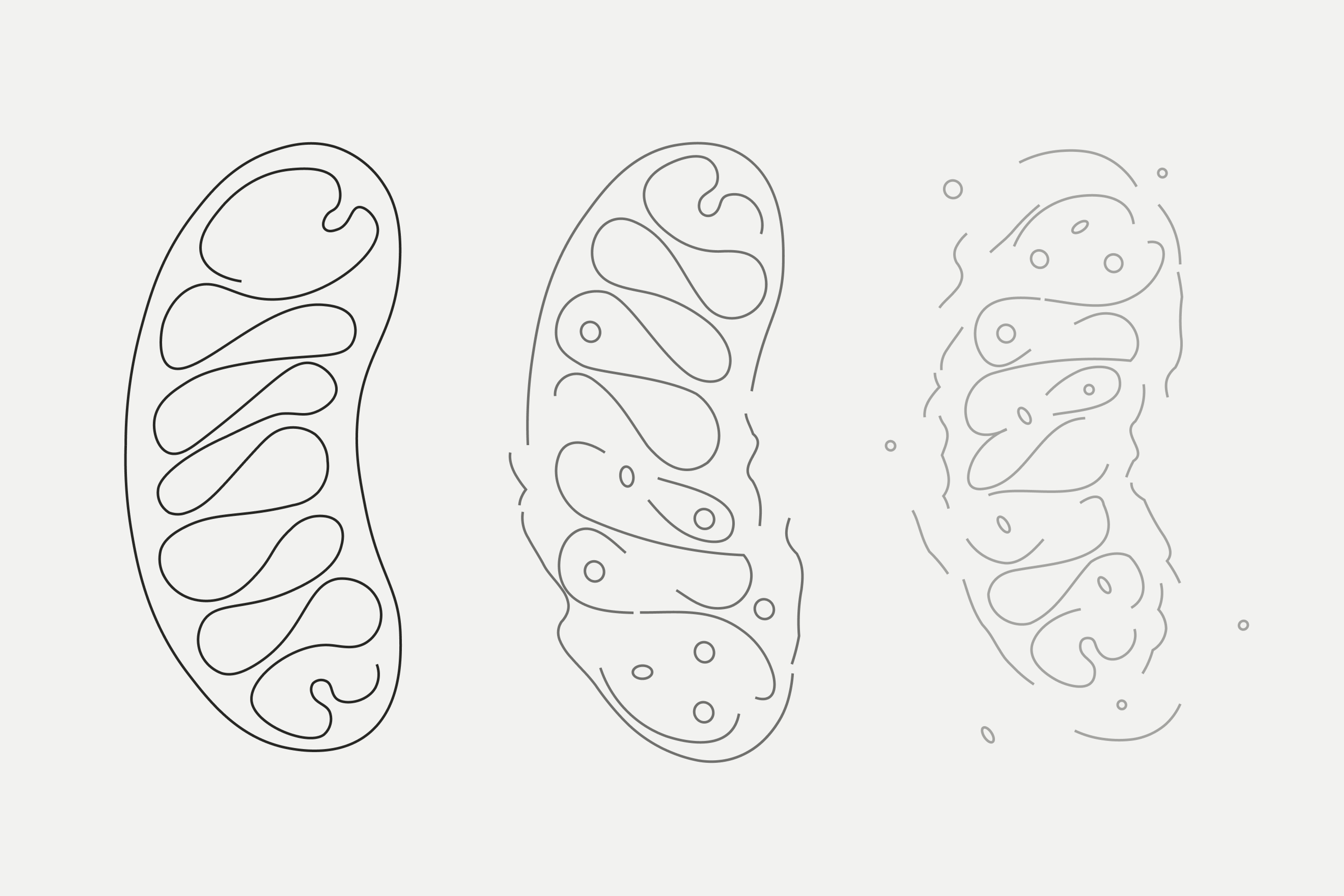
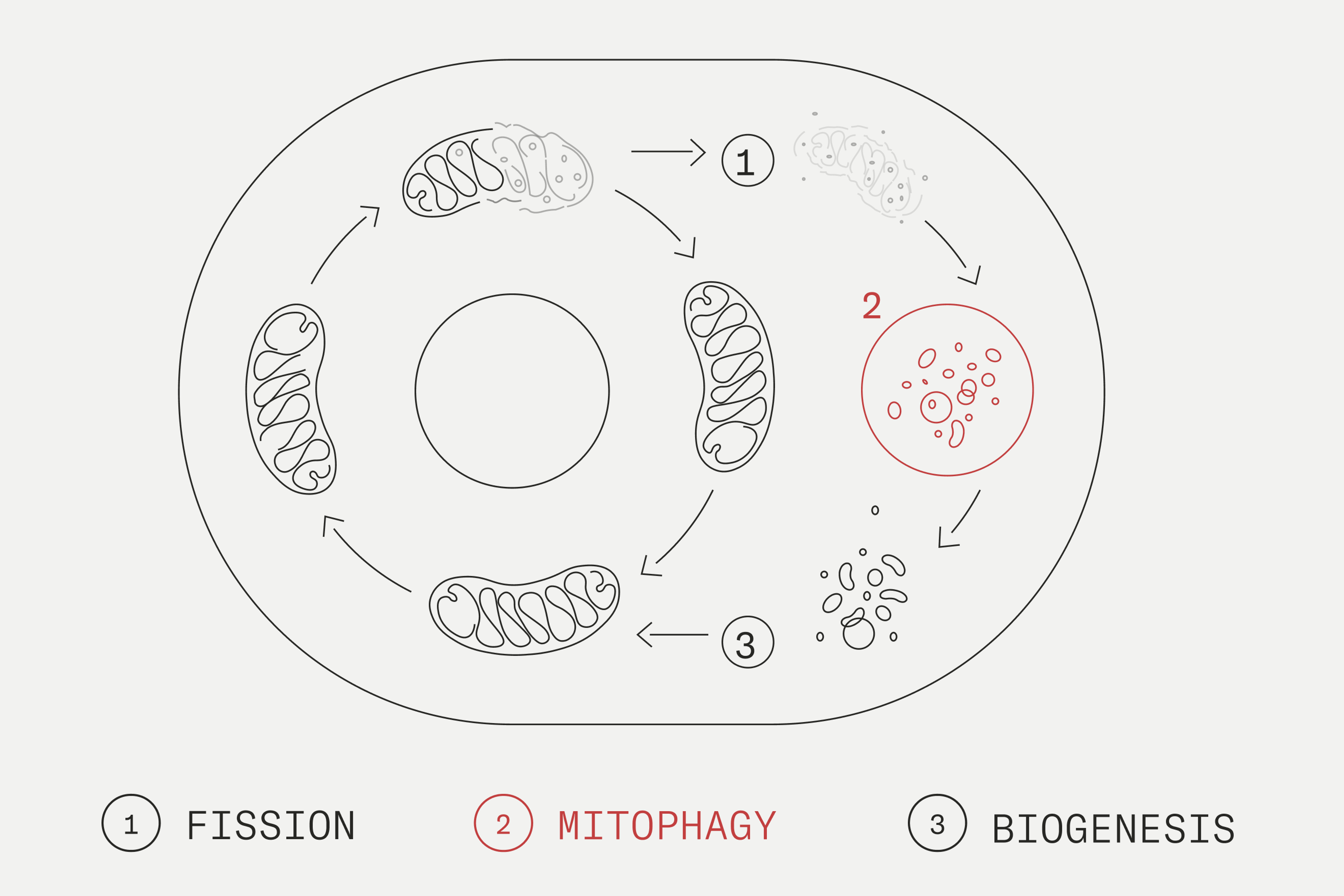
Given how central mitochondria are to human health, the body has evolved an important quality-control mechanism called mitophagy. Mitophagy is a specialized form of autophagy, the body’s cellular cleanup system, that identifies and removes damaged mitochondria so they can be recycled and replaced with healthier ones. However, as we age, our ability to activate mitophagy declines. Over time, this can lead to an accumulation of dysfunctional mitochondria, contributing to reduced cellular energy and many of the changes associated with aging.
An explosion of research over the last decade has revealed just how closely impaired mitophagy is linked to aging and disease. To better understand this connection, the scientific team at Timeline published a comprehensive review in Nature Metabolism examining mitophagy’s role in human health, aging, and disease, as well as emerging strategies to support mitochondrial renewal and healthy aging.[1]
The following article summarizes key insights from the paper “Mitophagy In Human Health, Ageing and Disease.”
What is Mitophagy?
Mitophagy is a highly coordinated cellular process that involves identifying dysfunctional mitochondria and targets them for removal and recycling. In the mitochondrial lifecycle, mitophagy can’t act in isolation. If the body only removed mitochondria, without replacing them, cellular energy would quickly decline.
To maintain mitochondrial balance, cells will also undergo biogenesis, the process of creating new mitochondria. Together, mitophagy and mitochondrial biogenesis work in concert to maintain a healthy, functional mitochondrial network within the cell, a dynamic balance often referred to as mitohormesis.[2]
How Does Mitophagy Impact Muscle Health?
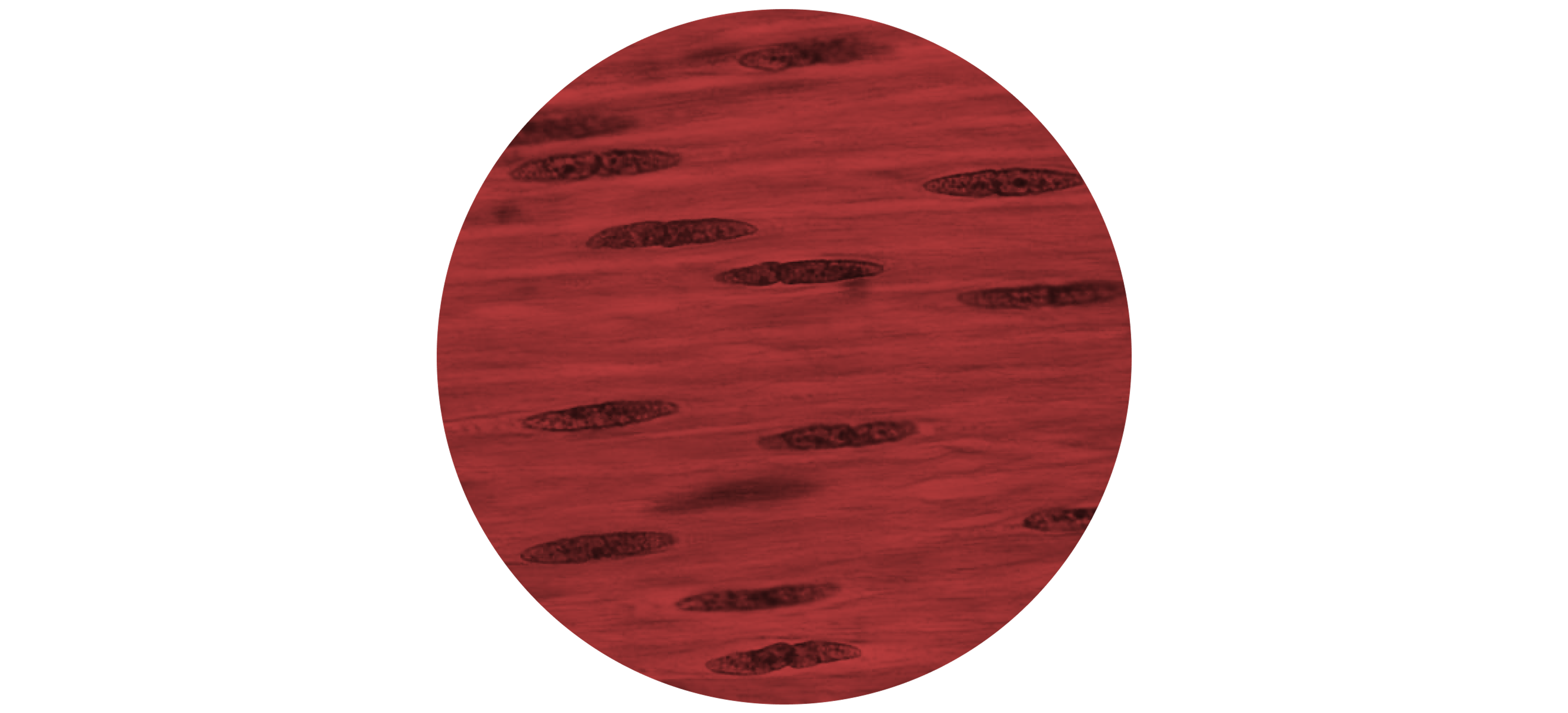
Muscles are among the most energy-demanding tissues in the body, relying heavily on mitochondria to power every contraction and movement. Whether you’re engaged in a strenuous workout, walking around the house, or even sleeping, your muscles require a constant supply of energy to function properly.
Because of these high-energy demands, maintaining healthy mitochondrial quality control is essential for muscle health. Research suggests that optimizing mitophagy can support muscle function.
Skeletal muscle
In human skeletal muscle, aging reduces mitochondrial function, leading to the accumulation of damaged mitochondria. Due to declining mitophagy, these damaged mitochondria are not efficiently removed from the cell, contributing to the age-related decline in muscle quality.
Cardiac muscle
The muscles of our heart, called cardiac muscle, require a constant supply of energy from our mitochondria to keep our heart beating every second of the day. Preclinical research suggests that mitophagy and the maintenance of mitochondrial homeostasis are essential for protecting our hearts as we age.
Does Altered Mitophagy Impact Brain Health?
The brain is a highly energetic organ dependent on a robust energy supply from healthy mitochondria. Emerging evidence has linked reduced mitophagy to the development of mild cognitive impairment and neurodegenerative diseases such as Alzheimer's, Parkinson's, and ALS (amyotrophic lateral sclerosis).
Is There a Link Between Mitophagy and Immune Aging?
Mitophagy plays a critical role in maintaining healthy mitochondrial function within immune cells. It also helps support immune health by preventing the buildup and release of damaged mitochondrial components that can unnecessarily trigger inflammatory immune responses.
Emerging research suggests that impaired mitophagy in immune cells may contribute to age-related changes in immune function and the chronic, low-grade inflammation associated with aging, often referred to as “inflammaging.”
What is the Role of Mitophagy in Metabolic Health
Altered mitochondrial turnover has been linked to metabolic disease, including type 2 diabetes and liver disease. Researchers believe this relationship may work in both directions. On one hand, impaired mitophagy may contribute to reduced cellular energy production and excessive oxidative stress, helping drive metabolic dysfunction. On the other hand, metabolic diseases themselves may create an energy deficit that reduces the effectiveness of normal mitophagy.
While much of the research exploring mitophagy and metabolic health has been conducted in preclinical models, the findings suggest a potentially important connection and highlight the need for further human clinical trials.

What Can I Do to Boost Mitophagy?
Several interventions have emerged as promising strategies to boost mitophagy, potentially unlocking new avenues to enhance cellular health and combat age-related diseases.
Exercise
Exercise is foundational for supporting mitochondrial health, but its effects on mitophagy appear to depend on the type, intensity, and duration of activity performed. This publication suggests that endurance exercise may be particularly effective at stimulating mitophagy, with limited impact of resistance training on mitophagy-related biomarkers.
Diet
This paper highlights that both calorie restriction and fasting might trigger mitophagy in humans. The authors point out, though, that much of this data comes from preclinical models and is too preliminary to truly assess the impact these strategies have on mitophagy in humans.
Wrapping Up
While much remains to be learned about the role of mitophagy in human health, it is increasingly clear that this process plays a central role in how we age. Emerging research continues to uncover promising opportunities to support mitochondrial renewal through lifestyle strategies such as diet and exercise, as well as targeted nutritional compounds and future therapeutic approaches.
As our understanding of this critical cellular process grows, so does the potential to reshape how we approach longevity and healthy aging through science-backed interventions.
Authors

Written by
Director Science Communications

Reviewed by
Lead Regulatory Affairs & Scientific Manager Alliances at Timeline
References
- ↑
Picca, A., Faitg, J., Auwerx, J., Ferrucci, L., & D'Amico, D. (2023). Mitophagy in human health, ageing and disease. Nature metabolism, 5(12), 2047–2061. https://doi.org/10.1038/s42255-023-00930-8 (https://www.google.com/url?q=https://doi.org/10.1038/s42255-023-00930-8&sa=D&source=docs&ust=1780330339770433&usg=AOvVaw0lYZlflx2vgT8i137Fju0q)
- ↑
Ploumi, C., Daskalaki, I. and Tavernarakis, N. (2017), Mitochondrial biogenesis and clearance: a balancing act. FEBS J, 284: 183-195. https://doi.org/10.1111/febs.13820 (https://www.google.com/url?q=https://doi.org/10.1111/febs.13820&sa=D&source=docs&ust=1780330339771031&usg=AOvVaw3AfODyKowI5N6gABySjtKR)

·
Skincare·
Inside Timeline’s Lab: Meet Isha Rana

·
Nutrition·
Studies·