2025 Breakthroughs in Longevity Research
Breakthrough longevity studies from 2025 reveal how aging can be measured, slowed, and even reversed, offering real hope for longer, healthier living.

What to know
A Nature publication found that the biological age of the brain and immune system strongly predicts long-term healthspan.
The 2025 Nobel Prize recognized immune tolerance discoveries that could support therapies for autoimmune conditions.
A preclinical study in fruit flies found that mitochondria may drive sleep pressure, linking rest directly to cellular energy stress.
Partial cellular reprogramming reversed age-related gene expression changes in mice.
2025 was a landmark year for longevity science, with breakthroughs spanning immunology, metabolism, and cell biology. This roundup highlights key studies from the year and what they mean in the longevity sphere.
Each study carries clinically relevant implications, pointing toward strategies that might help people live longer, healthier lives.
Brain and Immune System Aging as Leading Predictors of Healthspan
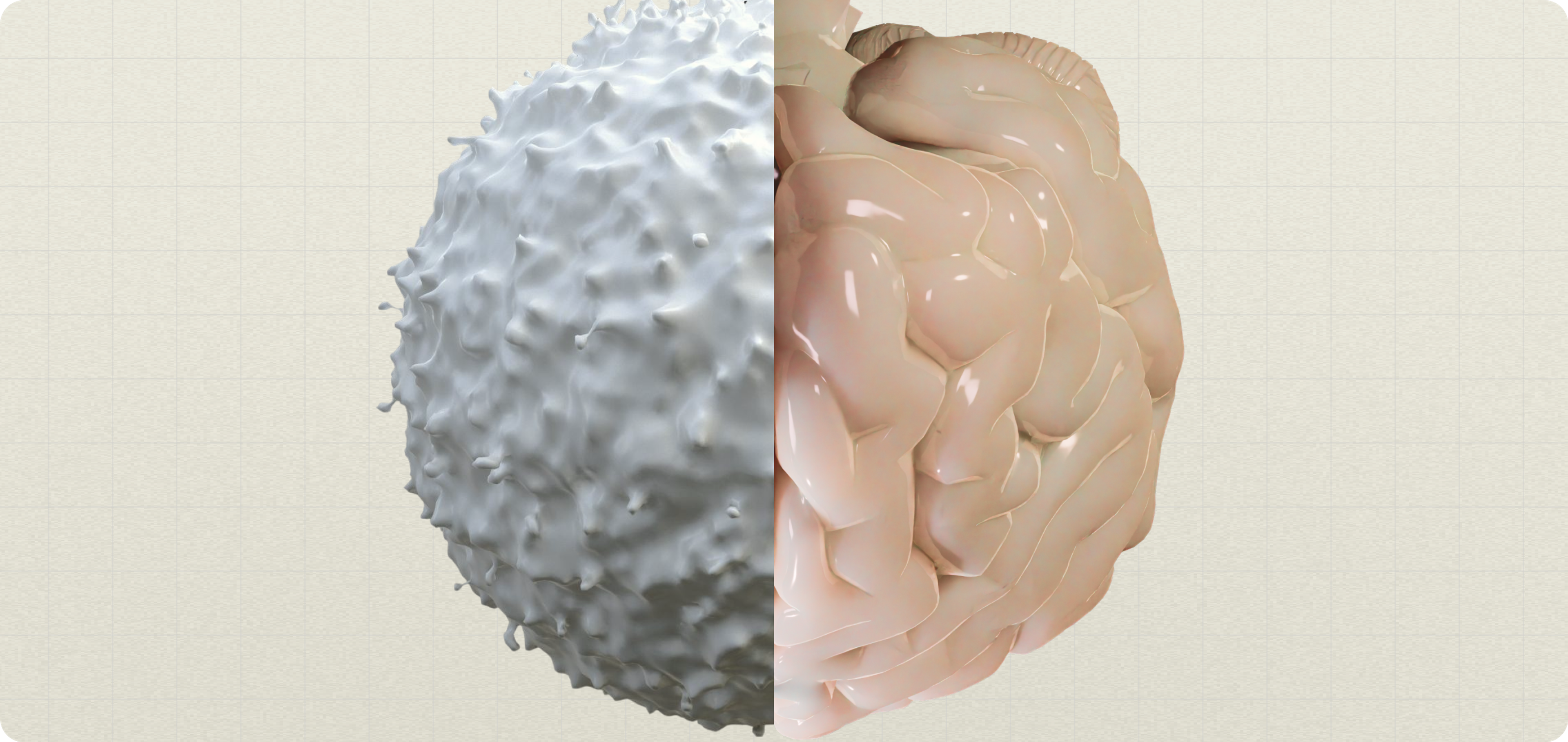
One major study showed that your organs each have their own “biological age,” and these ages can predict disease risk and longevity. In this Nature Medicine paper, scientists analyzed blood proteins from nearly 45,000 people to estimate the biological age of 11 organs, including the brain, heart, lungs, liver, kidneys, and immune system.[1]
The study found that a youthful brain and immune system are leading predictors of a longer life. Those with especially young brains had far lower risk of Alzheimer’s disease (around four times lower risk), regardless of genetics. Individuals whose brain and immune system both tested as biologically young had 56% lower mortality risk over a 15-year horizon.
Researchers suspect this longevity benefit comes from better control of chronic inflammation, since inflammation is a key driver of aging and age-related disease. This study suggests that measuring the biological age of different organs could become a powerful tool in preventive medicine. It also reinforces that aging is not uniform: keeping the brain and immune system young may be especially crucial for extending healthspan.
Nobel Prize 2025: Immune Tolerance
A highlight of 2025 was the Nobel Prize in Physiology or Medicine, awarded to three scientists for discoveries in peripheral immune tolerance: how the immune system learns not to attack itself. Failures of immune tolerance can lead to autoimmune conditions or chronic inflammation, which reduce quality of life.[2]
The Nobel-winning research, begun in the 1990s, revealed a built-in mechanism that prevents such self-attack. Shimon Sakaguchi discovered a special subset of immune cells called regulatory T cells that act as the immune system’s brake pedals, suppressing overactive immune responses. Mary Brunkow and Fred Ramsdell later identified the gene FOXP3 as critical for these cells, as mutations in this gene can cause severe autoimmune syndrome.
This work has significant clinical implications. Conservative estimates find that nearly 5% of Americans are diagnosed with at least one autoimmune condition.[3] This research paves the way for new therapies for autoimmune diseases and even suggests pathways for organ transplants. In the longevity field, a well-regulated immune system is vital to keep inflammation under control.

Nature Study: Mitochondria, Sleep, and Metabolic Aging
Why do we need sleep, and what does it have to do with aging? A preclinical study found that it may originate from our mitochondria, one of the key players in the longevity space.
Researchers deprived fruit flies of sleep and examined changes in their brain cells. Interestingly, they found that sleep deprivation led to increased waste from our mitochondria; this waste signaled the brain to sleep.[4]
Scientists gave the cells an “energy leak,” delinking mitochondrial function from energy production. Surprisingly, the decoupling relieved the urge to sleep. Conversely, making the mitochondria work extra hard increased the need for sleep.
From these results, the authors propose that sleep, like aging, may be closely tied to cellular metabolism. While clinical research is still needed in this space, understanding this link could lead to mitochondria-targeting treatments for sleep disorders or fatigue.
Partial Reprogramming of Aged Tissues for Epigenetic “Rejuvenation”
What if we could take old cells and turn back their biological clock? A preclinical 2025 study published in the Cell Journal from Dr. Juan Carlos Izpisúa Belmonte’s group demonstrated this as possible, at least in mice, using partial cellular reprogramming.[5]
The research tackled a fundamental aging mechanism. As cells age, they experience changes in gene expression that influence function. The authors identified a common aging pattern across multiple organ tissues, which they termed the “mesenchymal drift.”
Essentially, aged cells tend to shift from an epithelial state (orderly, functional cells) toward a mesenchymal state (stiffer, scar-like cells). This drift was found to occur in many organs and is associated with chronic diseases.
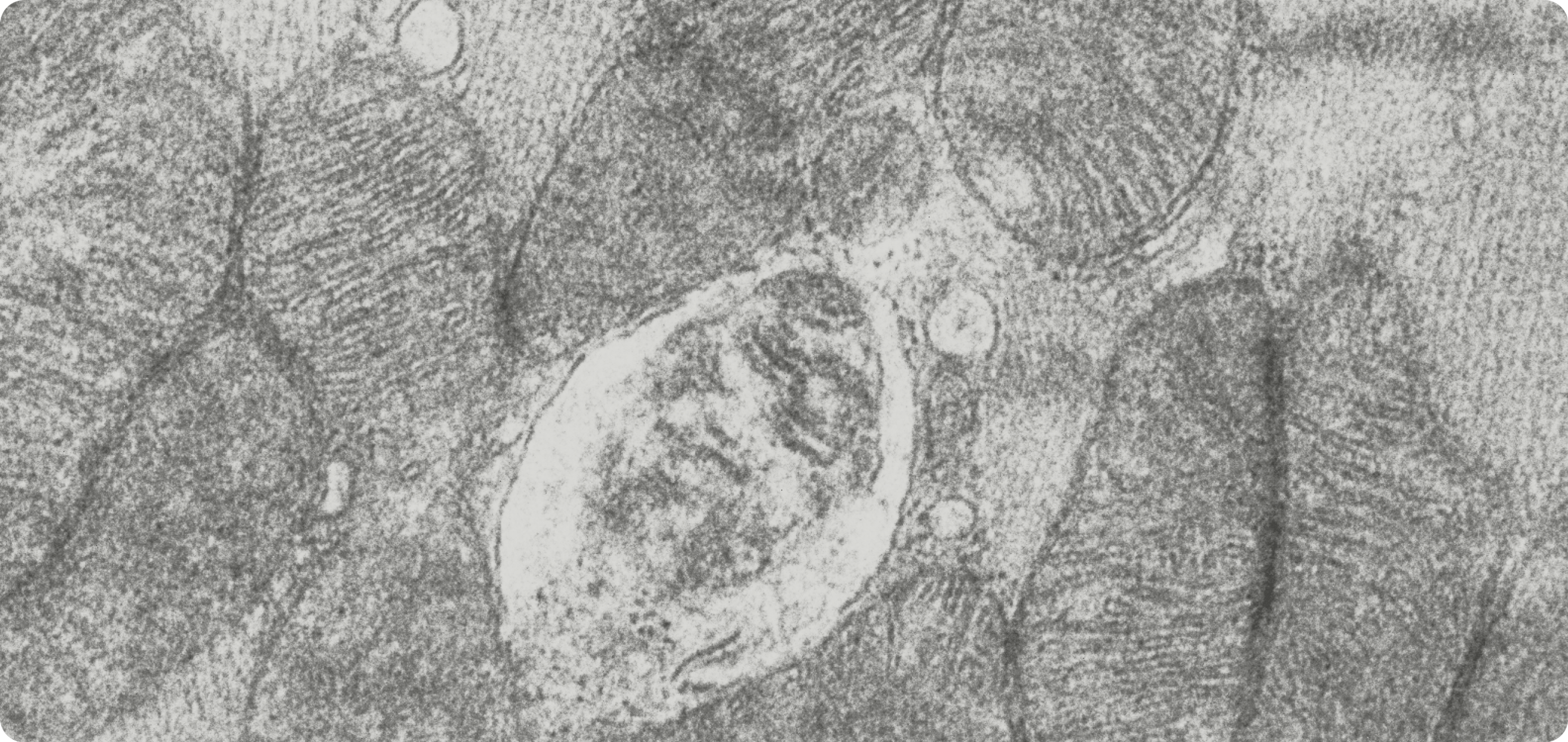
In an attempt to return aged cells to their youthful state, researchers introduced a series of protein reagents (the Yamanaka factors) in a process called partial reprogramming. After seven months of periodic treatment in old mice, tissues like the kidney and liver showed significantly lower expression of mesenchymal drift genes.
While clinical trials are still ahead, this work points to a future where age-related decline could not just be slowed, but partially reversed.
Looking Forward
Aging is actively being studied on many fronts. Scientists are learning how to measure it, slow it, and potentially reverse it. Each study above constitutes a piece of the grander longevity puzzle. While these breakthroughs are at various stages, they all share a common goal: enhancing human healthspan. As we add years to life, it’s critical to add life to our years.
Authors

Written by
Freelance writer
Reviewed by
Director Science Communications
References
- ↑
Oh, H. S., Le Guen, Y., Rappoport, N., Urey, D. Y., Farinas, A., Rutledge, J., Channappa, D., Wagner, A. D., Mormino, E., Brunet, A., Greicius, M. D., & Wyss-Coray, T. (2025). Plasma proteomics links brain and immune system aging with healthspan and longevity. Nature medicine, 31(8), 2703–2711. https://doi.org/10.1038/s41591-025-03798-1 (https://www.google.com/url?q=https://doi.org/10.1038/s41591-025-03798-1&sa=D&source=docs&ust=1765910759651092&usg=AOvVaw1QuLnpe4G3R90VRegplVtx)
- ↑
Liston A. (2025). An education in tolerance: the 2025 Nobel Prize in Physiology or Medicine. Disease models & mechanisms, 18(11), dmm052725. https://doi.org/10.1242/dmm.052725 (https://www.google.com/url?q=https://doi.org/10.1242/dmm.052725&sa=D&source=docs&ust=1765910759656818&usg=AOvVaw39UJiWi1TkAlXybUbswKoa)
- ↑
Abend, A. H., He, I., Bahroos, N., Christianakis, S., Crew, A. B., Wise, L. M., Lipori, G. P., He, X., Murphy, S. N., Herrick, C. D., Avasarala, J., Weiner, M. G., Zelko, J. S., Matute-Arcos, E., Abajian, M., Payne, P. R., Lai, A. M., Davis, H. A., Hoberg, A. A., Ortman, C. E., … Fairweather, D. (2024). Estimation of prevalence of autoimmune diseases in the United States using electronic health record data. The Journal of clinical investigation, 135(4), e178722. https://doi.org/10.1172/JCI178722 (https://www.google.com/url?q=https://doi.org/10.1172/JCI178722&sa=D&source=docs&ust=1765910759655455&usg=AOvVaw0f4FPFbt_q83CKMtjWQCaa)
- ↑
Sarnataro, R., Velasco, C. D., Monaco, N., Kempf, A., & Miesenböck, G. (2025). Mitochondrial origins of the pressure to sleep. Nature, 645(8081), 722–728. https://doi.org/10.1038/s41586-025-09261-y (https://www.google.com/url?q=https://doi.org/10.1038/s41586-025-09261-y&sa=D&source=docs&ust=1765910759664782&usg=AOvVaw1qJdTmc4AWFig2FgFy31Qb)
- ↑
Lu, J. Y., Tu, W. B., Li, R., Weng, M., Sanketi, B. D., Yuan, B., Reddy, P., Rodriguez Esteban, C., & Izpisua Belmonte, J. C. (2025). Prevalent mesenchymal drift in aging and disease is reversed by partial reprogramming. Cell, 188(21), 5895–5911.e17. https://doi.org/10.1016/j.cell.2025.07.031 (https://www.google.com/url?q=https://doi.org/10.1016/j.cell.2025.07.031&sa=D&source=docs&ust=1765910759662094&usg=AOvVaw3hOb1-LWr2XWUu8177uRJb)