Is Breakfast an Important Meal for Longevity?
A new Harvard study reveals the benefits of breakfast for older adults. Discover why front-loading meals boosts longevity, plus easy recipes to try.

What to know
New research links delayed or skipped breakfasts in older adults to higher health risks.
Earlier meals align with circadian rhythms, improve insulin sensitivity, and support mitochondrial energy production as we age.
Protein, fiber, healthy fats, and polyphenol-rich foods preserve muscle, metabolic health, and longevity.
While skipping breakfast and intermittent fasting often dominate headlines for their potential longevity benefits, emerging research suggests a later eating window may not be as beneficial as you age.
Does skipping breakfast later in life directly cause health problems, or are the problems a result of it? Let’s break down what the science says, what to eat for breakfast to support longevity, and easy, satisfying ideas everyone can enjoy.
Late Breakfasts Linked to Higher Mortality
A new Harvard-affiliated study found that older adults who ate breakfast later in the day or skipped it altogether had a significantly higher risk of physical and psychological challenges.
The 2025 Harvard study[1] followed 3,000 adults ages 42-94 in the UK for several decades and found that as they aged, they tended to eat breakfast and dinner later and have a shorter daily eating window. This later breakfast timing, in particular, was linked to higher rates of physical and psychological conditions, such as:
- Fatigue
- Depression
- Anxiety
- Oral health problems
- Chronic conditions like cardiovascular disease
- Mortality (death)
The study of eating timing, called chrononutrition, is currently being researched for its potential impact on circadian rhythms and the development of diseases such as cardiovascular disease. Older adults who have an evening chronotype[2], otherwise known as “night owls,” are more likely to eat later meals.
Dr. Hassan Dashti, the Harvard study’s lead author, says, “Later breakfast timing may serve as an early warning sign for underlying health issues.” This suggests that skipping breakfast may not directly cause health issues, but that eating later in the day may be correlated with other unhealthy traits. For example, staying up later and nighttime eating, depression, poor appetite, or another illness.
The Science of Morning Metabolism
Is breakfast the most important meal of the day? Let’s look at what the science says.
The benefits of eating earlier in the day, especially for older adults, go far beyond a balanced breakfast. Morning nutrition plays a key role in how your metabolism, hormones, and cellular energy function throughout the day. Here are a few reasons why.

Circadian Rhythm Alignment
Eating breakfast helps synchronize your internal clock, known as your circadian rhythm, supporting better metabolic health by aligning key hormones like melatonin and cortisol with your eating schedule. The result? Improved health and well-being by aligning mealtimes with your body’s natural internal clock.[3]
Mitochondrial Function and Energy Production
Research shows that timing your meals earlier in the day might be linked to better mitochondrial energy production[4] and efficiency, helping your mitochondria produce the energy needed for your body’s most vital functions. And since mitochondrial function declines[5] with age, keeping them in tip-top shape is a priority for optimal energy and longevity.

Hormone Balance
Eating breakfast within a few hours of waking helps stabilize your blood sugar levels and aligns insulin and cortisol[6] with their natural peaks. For example, insulin levels[7] are naturally higher and more sensitive in the morning, which helps clear glucose (e.g., sugar) more effectively than in the evening.
Cortisol also runs highest in the morning, and research shows that eating a balanced breakfast rich in protein can help lower this stress hormone[8]. In women, many ovarian hormones can be disrupted by elevated cortisol. Read more on intermittent fasting for women over 50.
Bottom line: early eating is tied to healthy aging, as it has been shown to lower older adults’ overall[9] risk of chronic conditions and even death.
Breakfast Timing in the Age of Intermittent Fasting
Popular intermittent fasting patterns, such as 16:8 (i.e., one eats all their meals in an 8-hour window, followed by a 16-hour fast) or one-meal-a-day, often delay the first meal of the day by pushing breakfast into the late morning or afternoon. But does intermittent fasting work, and is it better to skip breakfast to lose weight and reduce calories?
For some people, a time-restricted fasting approach can help reduce overall calorie intake and extend overnight fasting, and therefore may appear to be the healthier choice. Because intermittent fasting[10] may naturally reduce calorie intake and support the body’s energy processes, it may support metabolic health and weight management. Evidence also suggests that fasting might support longevity by boosting mitochondrial health and triggering autophagy (the cell's natural cleanup process)[11].
Various intermittent fasting methods can be effective for specific populations, especially when they improve meal structure or reduce late-night snacking that contributes excess calories. Essentially, how intermittent fasting affects your body can vary based on your age and individual genetics.
However, the 2025 Harvard study[12] points out that “anorexia of aging” or the changes that occur in the appetite of older populations could be responsible for the shifts in eating patterns with age, rather than following deliberate intermittent fasting protocols. These changes in appetite and meal timing are likely due to physiological and health-related risks of inadequate nutrition and malnutrition.
What to Eat for Longevity
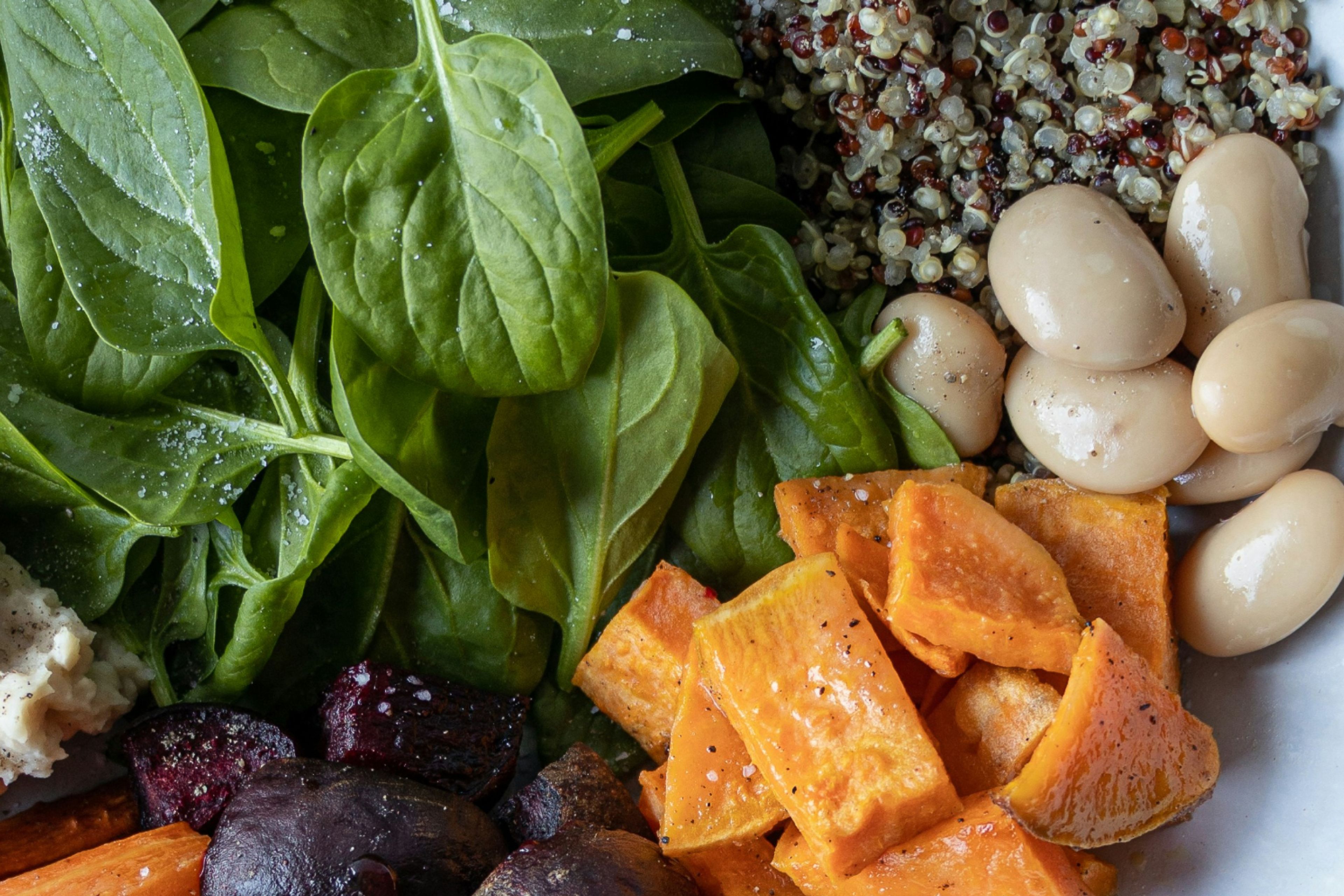
Now that we have established the importance of breakfast, let’s talk about what to eat for longevity.
Protein
Protein becomes especially important as we age because it helps protect muscle mass[13], strength, and overall independence. Research consistently shows that older adults who eat enough protein have better physical function and a lower risk of mortality.
Moreover, emerging research suggests that starting your day with a protein-rich meal can help maintain muscle health as you age. Studies have found that older adults who consume more protein at breakfast tend to have greater muscle mass and strength, and distributing protein intake evenly throughout the day may optimize muscle protein synthesis and reduce age-related muscle loss.[14]
Fiber
Fiber is a superstar nutrient for longevity because it helps keep blood sugar and cholesterol in check and supports digestion, lowering your risk of age-related chronic disease. Studies link higher fiber intake to overall healthier aging, including better metabolic health and a reduced risk of heart disease[15] and type 2 diabetes. Aim for 25-30 grams of fiber daily.
Healthy fats
Healthy fats from sources like olive oil, nuts, seeds, and fatty fish support heart and brain health, two major drivers of longevity. Diets rich in these unsaturated fats, such as the Mediterranean diet[16], are consistently associated with better quality of life and positive long-term health outcomes.
Polyphenol-rich foods
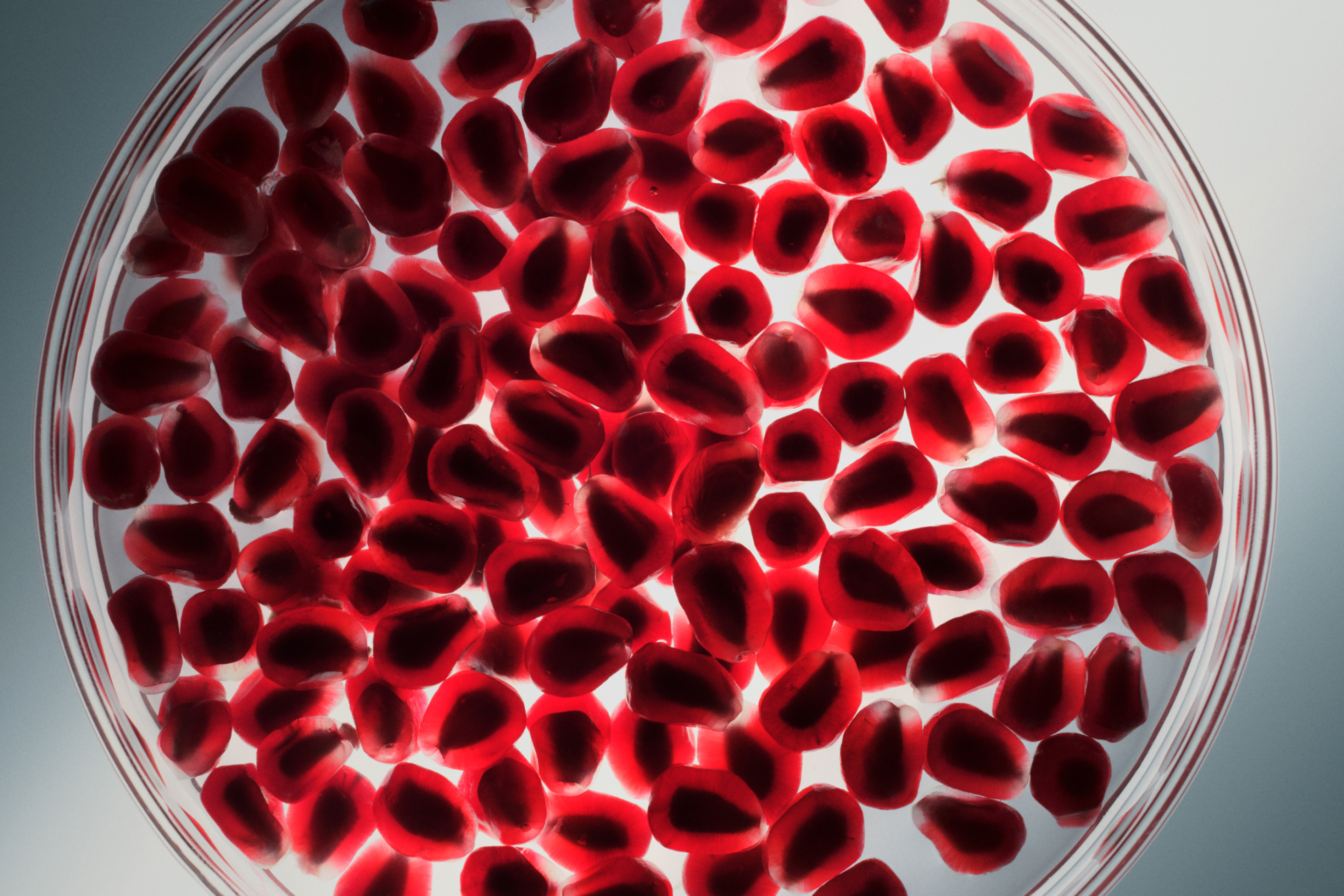
Colorful fruits and vegetables are rich in plant-based polyphenols. These beneficial plant compounds have been shown to reduce inflammation and oxidative stress, which can negatively impact aging. Examples are pomegranates, grapes, berries, strawberries, and purple cabbage.

Boost Your Longevity Diet at the Cellular Level
You can also complement your longevity diet with Mitopure®, a precise dose of the postbiotic Urolithin A. Urolithin A is produced in the gut through the metabolism of specific polyphenols found in foods such as pomegranates. However, research shows that more than 60 percent of people lack the gut microbes needed to make meaningful amounts on their own.[17]
Clinical studies have shown that daily supplementation with Mitopure improves mitochondrial function, cellular energy and muscle health.[18]
Mitopure Berry Powder offers a delicious, convenient way to add the benefits of Mitopure to your breakfast routine. If you are not a breakfast eater or you follow an intermittent fasting pattern, our Softgels offer a simple alternative.
Mitopure Powder
4.5 (1136) · 94% recommend
A tasty addition to your health routine
Authors

Written by
Dietitian-Nutritionist, and Health Content Writer

Reviewed by
Director Science Communications
References
- ↑
Dashti, H.S., Liu, C., Deng, H. et al. Meal timing trajectories in older adults and their associations with morbidity, genetic profiles, and mortality. Commun Med 5, 385 (2025). https://doi.org/10.1038/s43856-025-01035-x (https://www.google.com/url?q=https://doi.org/10.1038/s43856-025-01035-x&sa=D&source=docs&ust=1768943379671241&usg=AOvVaw28ZJIMpoliqnoIxQ3-7VX7)
- ↑
Höller Y, Gudjónsdottir BE, Valgeirsdóttir SK, Heimisson GT. The effect of age and chronotype on seasonality, sleep problems, and mood. Psychiatry Research. 2021;297:113722. doi:https://doi.org/10.1016/j.psychres.2021.113722 (https://www.google.com/url?q=https://doi.org/10.1016/j.psychres.2021.113722&sa=D&source=docs&ust=1768943379674555&usg=AOvVaw1-L6TKFjLxv8_HiqyNvAsR)
- ↑
BaHammam, A., & Pirzada, A. (2023). Timing Matters: The Interplay between Early Mealtime, Circadian Rhythms, Gene Expression, Circadian Hormones, and Metabolism—A Narrative Review. Clocks & Sleep, 5, 507 - 535. https://doi.org/10.3390/clockssleep5030034 (https://www.google.com/url?q=https://doi.org/10.3390/clockssleep5030034&sa=D&source=docs&ust=1768943379684371&usg=AOvVaw2GuDQtd_Oqv98XUgQvbX5d).
- ↑
Reytor-González C, Simancas-Racines D, Román-Galeano NM, et al. Chrononutrition and Energy Balance: How Meal Timing and Circadian Rhythms Shape Weight Regulation and Metabolic Health. Nutrients. 2025;17(13):2135. Published 2025 Jun 27. doi:10.3390/nu17132135
- ↑
Somasundaram I, Jain SM, Blot-Chabaud M, et al. Mitochondrial dysfunction and its association with age-related disorders. Frontiers in Physiology. 2024;15. doi:https://doi.org/10.3389/fphys.2024.1384966 (https://www.google.com/url?q=https://doi.org/10.3389/fphys.2024.1384966&sa=D&source=docs&ust=1768943379677703&usg=AOvVaw2xwwb0AW3LVhvaL0fREK7K)
- ↑
BaHammam AS, Pirzada A. Timing Matters: The Interplay between Early Mealtime, Circadian Rhythms, Gene Expression, Circadian Hormones, and Metabolism—A Narrative Review. Clocks & Sleep. 2023; 5(3):507-535. https://doi.org/10.3390/clockssleep5030034 (https://www.google.com/url?q=https://doi.org/10.3390/clockssleep5030034&sa=D&source=docs&ust=1768943379679948&usg=AOvVaw2hvS_cXFrIbNS8BacWjcUS)
- ↑
Heden TD, Kanaley JA. Syncing Exercise With Meals and Circadian Clocks. Exerc Sport Sci Rev. 2019;47(1):22-28. doi:10.1249/JES.0000000000000172
- ↑
BaHammam AS, Pirzada A. Timing Matters: The Interplay between Early Mealtime, Circadian Rhythms, Gene Expression, Circadian Hormones, and Metabolism—A Narrative Review. Clocks & Sleep. 2023; 5(3):507-535. https://doi.org/10.3390/clockssleep5030034 (https://www.google.com/url?q=https://doi.org/10.3390/clockssleep5030034&sa=D&source=docs&ust=1768943379681856&usg=AOvVaw1iU-Bm_iIlLY_zVOoGQyrT)
- ↑
Reytor-González C, Simancas-Racines D, Román-Galeano NM, et al. Chrononutrition and Energy Balance: How Meal Timing and Circadian Rhythms Shape Weight Regulation and Metabolic Health. Nutrients. 2025;17(13):2135. Published 2025 Jun 27. doi:10.3390/nu17132135
- ↑
Song DK, Kim YW. Beneficial effects of intermittent fasting: a narrative review. J Yeungnam Med Sci. 2023;40(1):4-11. doi:10.12701/jyms.2022.00010
- ↑
Mehrabani S, Bagherniya M, Askari G, Read MI, Sahebkar A. The effect of fasting or calorie restriction on mitophagy induction: a literature review. J Cachexia Sarcopenia Muscle. 2020 Dec;11(6):1447-1458. doi: 10.1002/jcsm.12611. Epub 2020 Aug 27. PMID: 32856431; PMCID: PMC7749612.
- ↑
Dashti, H.S., Liu, C., Deng, H. et al. Meal timing trajectories in older adults and their associations with morbidity, genetic profiles, and mortality. Commun Med 5, 385 (2025). https://doi.org/10.1038/s43856-025-01035-x (https://www.google.com/url?q=https://doi.org/10.1038/s43856-025-01035-x&sa=D&source=docs&ust=1768943379671241&usg=AOvVaw28ZJIMpoliqnoIxQ3-7VX7)
- ↑
Coelho-Júnior HJ, Calvani R, Tosato M, Landi F, Picca A, Marzetti E. Protein intake and physical function in older adults: A systematic review and meta-analysis. Ageing Res Rev. 2022 Nov;81:101731. doi: 10.1016/j.arr.2022.101731. Epub 2022 Sep 8. PMID: 36087703.
- ↑
Kim, H., Chijiki, H., Fukazawa, M., Okubo, J., Ozaki, M., Nanba, T., Higashi, S., Shioyama, M., Takahashi, M., Nakaoka, T., & Shibata, S. (2021). Supplementation of Protein at Breakfast Rather Than at Dinner and Lunch Is Effective on Skeletal Muscle Mass in Older Adults. Frontiers in Nutrition, 8. https://doi.org/10.3389/fnut.2021.797004.
- ↑
Fatima I, Gamage I, De Almeida RJR, Cabandugama P, Kamath G. Current Understanding of Dietary Fiber and Its Role in Chronic Diseases. Mo Med. 2023 Sep-Oct;120(5):381-388. PMID: 37841565; PMCID: PMC10569388.
- ↑
Godos J, Guglielmetti M, Ferraris C, Frias-Toral E, Domínguez Azpíroz I, Lipari V, Di Mauro A, Furnari F, Castellano S, Galvano F, Iacoviello L, Bonaccio M, Grosso G. Mediterranean Diet and Quality of Life in Adults: A Systematic Review. Nutrients. 2025 Feb 5;17(3):577. doi: 10.3390/nu17030577. PMID: 39940436; PMCID: PMC11819740.
- ↑
Singh A, D'Amico D, Andreux PA, Dunngalvin G, Kern T, Blanco-Bose W, Auwerx J, Aebischer P, Rinsch C. Direct supplementation with Urolithin A overcomes limitations of dietary exposure and gut microbiome variability in healthy adults to achieve consistent levels across the population. Eur J Clin Nutr. 2022 Feb;76(2):297-308. doi: 10.1038/s41430-021-00950-1. Epub 2021 Jun 11. PMID: 34117375; PMCID: PMC8821002.
- ↑
Singh A, D'Amico D, Andreux PA, Fouassier AM, Blanco-Bose W, Evans M, Aebischer P, Auwerx J, Rinsch C. Urolithin A improves muscle strength, exercise performance, and biomarkers of mitochondrial health in a randomized trial in middle-aged adults. Cell Rep Med. 2022 May 17;3(5):100633. doi: 10.1016/j.xcrm.2022.100633. PMID: 35584623; PMCID: PMC9133463.