The Benefits of Dark Chocolate for Health and Longevity
Explore whether dark chocolate is good for you, which types support longevity, and how to enjoy it in moderation for the biggest benefits.
What to know
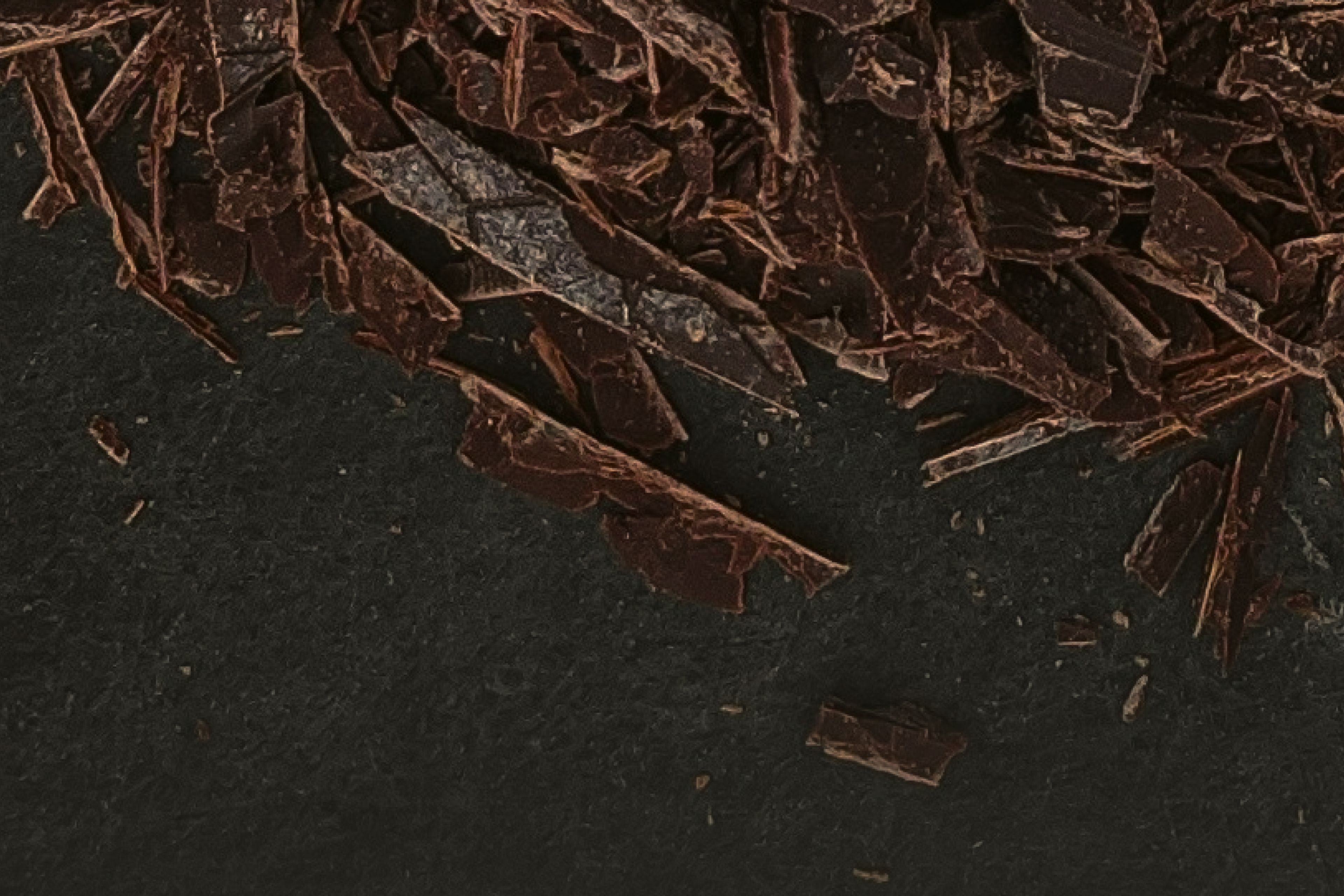
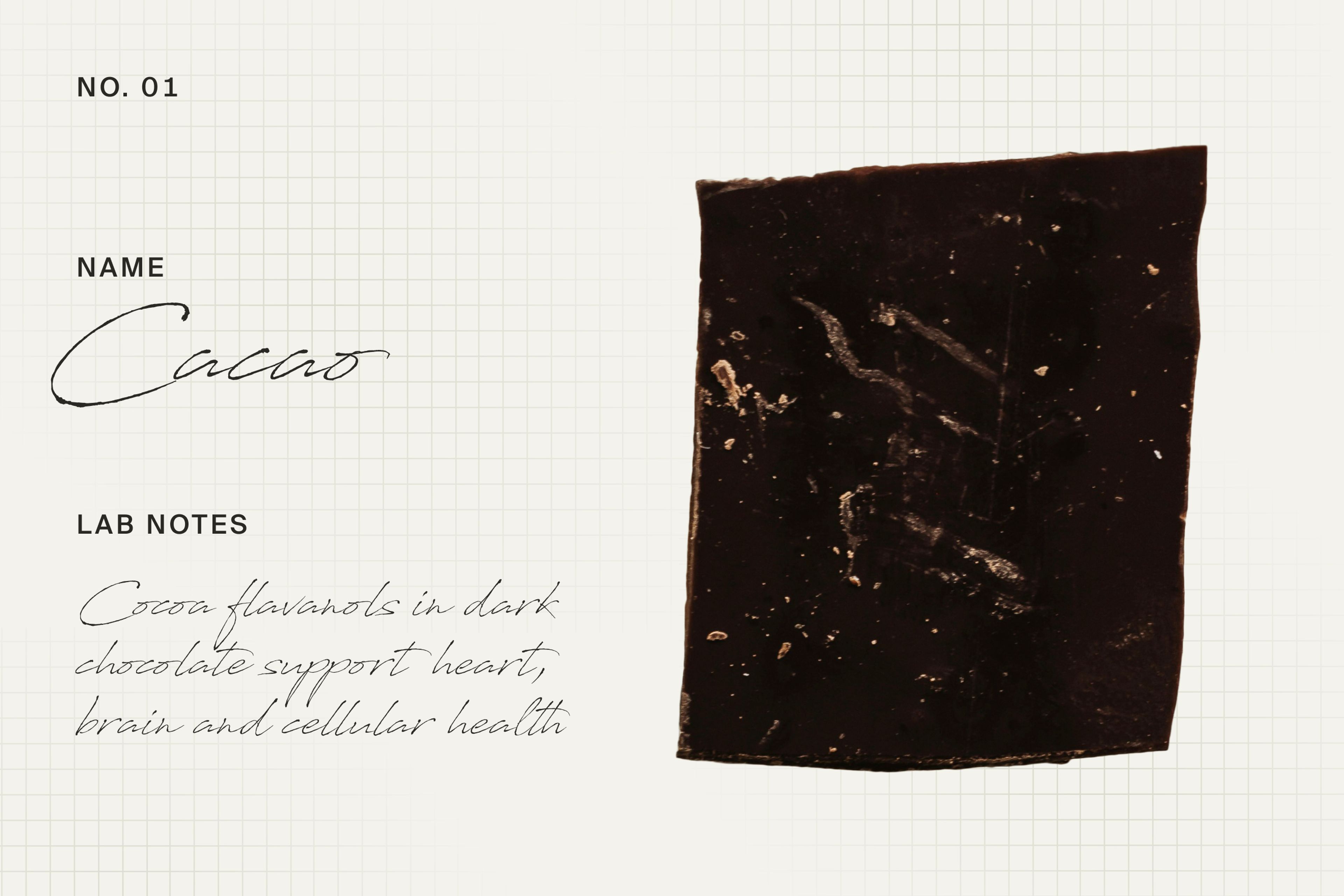
Chocolate’s benefits come from cocoa flavanols and theobromine, which are most present in dark chocolate.
In moderation, less processed dark chocolate may help protect cells, support heart and brain health, and reduce age-related inflammation.
Select dark chocolate with at least 70% cacao and limit to 1–2 squares per day for benefits without excess sugar or calories.
The Benefits of Dark Chocolate for Health and Longevity
Breaking news for chocolate lovers: in certain forms, this treat is not only delicious but also a well-recognized superfood. In fact, purer forms of dark chocolate may be considered a longevity food due to their support for long-term health.
While chocolate is often considered an indulgence, research suggests that eating the right kind of chocolate may have meaningful longevity benefits. The cocoa in chocolate contains powerful plant compounds that have been linked to reduced heart disease risk, lower inflammation, and protection against oxidative stress at the cellular level.
That said, not all chocolate is created equal, and many everyday chocolate products are highly processed and riddled with added sugars and fats. These qualities can outweigh any longevity benefits.
Keep reading to learn what the research says about chocolate and longevity and which types of chocolate offer the most benefits.
Is Dark Chocolate the Best Chocolate For Longevity?
Typically, yes.
Not all chocolate delivers the same health benefits. From cocoa and flavanol content[2] to added sugars and levels of processing, what’s in your chocolate can be the difference between it being a healthy food or just a sweet treat.
Among the three most commonly eaten chocolates, dark chocolate packs the most cocoa, milk chocolate has less, and white chocolate has none.[3] And it’s the cocoa where the majority of chocolate’s health-promoting compounds are found. Given this, dark chocolate is going to be your best bet for promoting healthspan.[1]
“Dark chocolate” refers to chocolate with cocoa, cocoa butter, and sugar, without added milk. However, the label alone isn’t enough to confirm a quality dark chocolate. This is why it’s important to double-check the ingredients carefully.
Science-Backed Health Benefits of Dark Chocolate
When consumed in moderation, dark chocolate offers several research-backed benefits.
Flavonoids and antioxidant activity
Dark chocolate is rich in antioxidants and flavonoids, including epicatechins and catechins, that help neutralize oxidative stress and protect cells from damage. There is early but promising research suggesting that epicatechins found in cocoa may positively influence mitochondrial health.[4]
Theobromine benefits
Another key compound in dark chocolate is theobromine, a natural molecule related to caffeine but with milder effects. Theobromine gently stimulates the nervous system and may help relax blood vessels, improve circulation, and support cardiovascular health without the jittery side effects often linked to caffeine.[5] It’s one reason dark chocolate is often described as both energizing and calming.
Heart health and inflammation reduction
Regular, moderate intake of dark chocolate[6] has also been linked to improved cholesterol, blood pressure, blood flow, and lower markers of inflammation. When paired with a heart-healthy diet, this is associated with a reduced long-term cardiovascular risk. Observational and clinical studies link regular consumption of cocoa-rich foods to improved vascular function and a lower risk of cardiovascular disease[7] in older individuals.
Brain health, cognition, and mood support
The flavonoids and theobromine in cocoa can increase blood flow to the brain, which may support focus and cognitive performance.[8] Additionally, the flavonoids in dark chocolate may help boost mood by stimulating the production of feel-good neurotransmitters, such as serotonin. This may explain why a little bit of dark chocolate makes us happy!
Aging and longevity
Because of the aforementioned health benefits, research suggests cocoa’s flavanols and theobromine may support healthier aging[9] by reducing oxidative stress and chronic inflammation, two key hallmarks of aging and drivers of age-related chronic illness
In line with these mechanisms, large observational studies have found that people who consume moderate amounts of chocolate, particularly dark chocolate, tend to have lower rates of cardiovascular disease and reduced all-cause mortality compared with those who rarely consume chocolate.[10] While these studies do not prove that chocolate directly extends lifespan, they consistently suggest that habitual, moderate intake may be associated with healthier aging trajectories, especially for heart and brain health.
Taken together, this research suggests that dark chocolate, when chosen thoughtfully and eaten in moderation, can be more than an occasional indulgence. As part of an overall antioxidant-rich, nutrient-dense diet, it may play a small but meaningful role in supporting healthspan and resilience as we age.
How Much Dark Chocolate Should You Eat?
When it comes to reaping the benefits from dark chocolate, more is not necessarily better. Most studies[11] on dark chocolate demonstrate benefits from consuming between 25-50 grams a day, which equals around 1-2 ounces. In a practical sense, this is about one to two squares of high-quality dark chocolate per day. So yes, you can enjoy dark chocolate every day.
Choosing Dark Chocolate Wisely
When choosing dark chocolate, a few key factors can help you maximize its benefits without sacrificing enjoyment.
Pay attention to cocoa percentages
Choosing 70% cacao or higher is ideal for maximizing flavanol and theobromine content, yet going too dark (above 90%) can make chocolate bitter and less enjoyable. A practical sweet spot for most people is 70–85% dark chocolate. Enough of the longevity-promoting flavanols, but tasty enough to enjoy regularly.
Quality ingredients
Higher-quality chocolate generally retains more cocoa flavanols, and healthier chocolate will have cocoa listed as the first ingredient.
Lightly roasted or cold-processed cocoa products, sometimes labeled “raw cacao,” retain more polyphenols but may have an astringent flavor. Roasting cocoa develops flavor, but also reduces some antioxidants. Even so, roasted dark chocolate can still be a healthy choice.
If you prefer a milder taste, opt for high-quality roasted dark chocolate from a brand that sources and processes responsibly rather than chasing “raw” claims.
Studies also show that fortifying dark chocolate with fruits and spices like mulberry, elderberry, and cinnamon can further enhance its antioxidant and fatty acid content.[12] Look out for these combinations to give your indulgences a nutritional (and flavorful) boost.
Minimal ingredients and processing
The health benefits you get from chocolate come from the cocoa, not any extra sugar, fillers, or unnecessary ingredients. Because of this, look for options with minimal added sugar and a shorter ingredient list.
When choosing cocoa for baking, look for natural cocoa rather than alkali-treated or Dutch-processed cocoa. This is important, as the natural versions retain more of the beneficial flavanol content.
Low amounts of heavy metals
Cocoa can naturally contain trace amounts of heavy metals like lead and cadmium due to soil contamination. Because the cocoa solids are the part of chocolate that can absorb these metals during processing, dark chocolate[13] may contain higher levels than chocolates with less cocoa.
You can reduce potential exposure while still enjoying dark chocolate by choosing brands that test for heavy metals and are transparent about their sourcing and quality practices. Looking for third-party testing and moderating portion sizes can also help reduce the risk of long-term exposure.
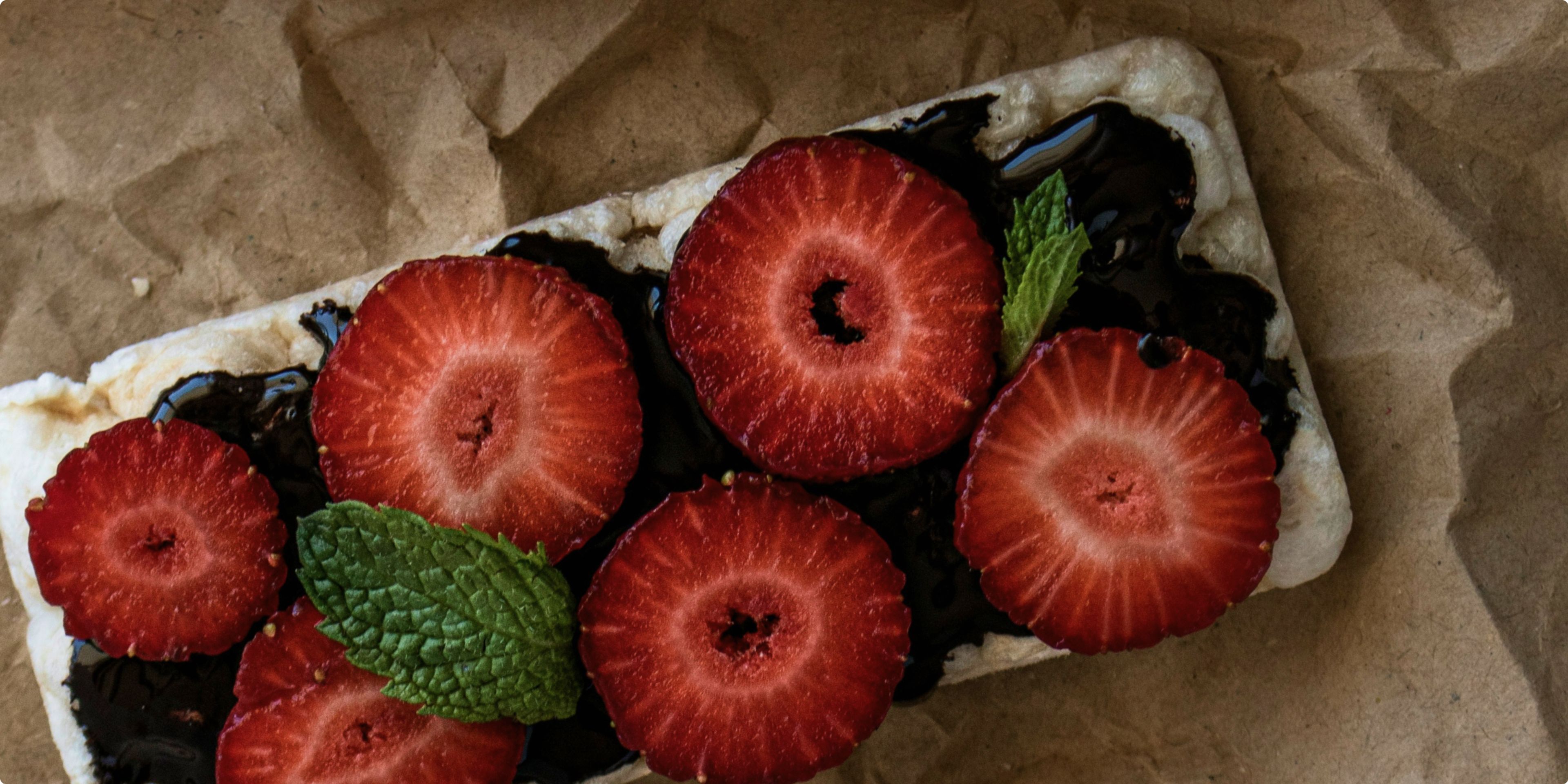
Berries and Dark Chocolate - A Longevity Power Couple
Pairing berries and dark chocolate provides even greater longevity benefits than just eating chocolate alone. Berries are one of the top flavonoid-rich foods, supplying other types such as anthocyanins[14] that work in harmony with the flavonoids in cocoa.
Further, berries add fiber[15], which can help lessen blood sugar spikes that may arise from eating chocolate alone.
Here are a few simple ways to pair berries and dark chocolate:
- Enjoy your favorite berries with a few squares of dark chocolate
- Dip berries in melted dark chocolate, then freeze them for a frozen treat
- Top Greek yogurt or coconut yogurt with berries and dark chocolate chips
- Mix berries and dark chocolate pieces into warm oatmeal or chia pudding
Together, berries and dark chocolate are a satisfying combo that delivers both flavor and function.[16]
Longevity-Friendly Chocolate & Berry Recipes
If you’re ready to jump on the chocolate-berry bandwagon, here are a couple of yummy recipes to try. These recipes feature Mitopure’s Berry-Flavored Urolithin A powder for additional cellular and longevity benefits.*
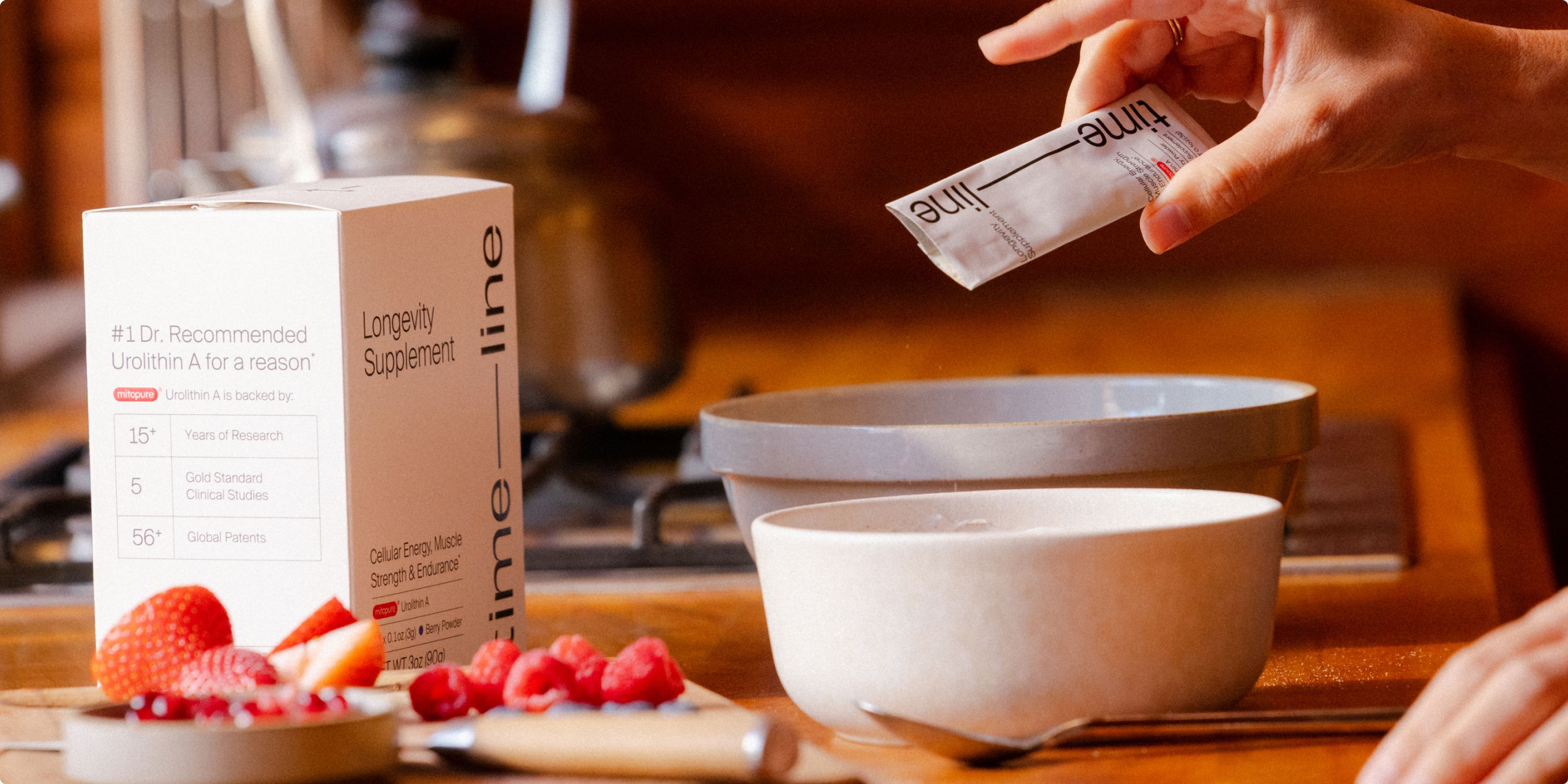
Mitopure chocolate & berry brownie
Ingredients:
- 1 cup almond flour
- 2 stick packs Mitopure® Berry Powder
- 2 tbsp cocoa powder
- 2–3 tbsp honey or agave
- ¼ cup fresh or frozen berries (chopped)
- Optional: 1–2 tbsp dark chocolate chips
How to make:
Preheat oven to 350°F and line a small baking dish.
Mix all ingredients until a thick batter forms.
Spread evenly, sprinkle with dark chocolate chips if using, and bake 15–18 minutes until just set.
Cool slightly before slicing.
Mitopure chocolate & berry smoothie
Ingredients:
- 1 cup unsweetened almond or dairy milk
- 1 cup frozen mixed berries
- 1 stick pack Mitopure® Berry Powder
- 1 tbsp cocoa powder or grated dark chocolate
- Ice (optional)
How to make:
Add all ingredients to a blender.
Blend until smooth and creamy.
Taste and adjust thickness with more milk or ice as needed.
These longevity recipes are simple, nutrient-packed, and easy to work into a daily routine.
Final Words
Choosing high-cacao dark chocolate, keeping portions modest, and pairing it with antioxidant-rich foods helps you capture the longevity benefits without the downsides of excess sugar or calories. When combined with an overall antioxidant-forward diet, these small choices can meaningfully support healthy aging over time.
Aim for one to two squares of quality dark chocolate daily, enjoy it alongside fiber and flavonoid-rich foods like berries, and consider adding targeted longevity supplements such as Mitopure Berry Powder to your chocolate-infused dishes to further support cellular and mitochondrial health.*
Mitopure Powder
4.5 (1127) · 94% recommend
A tasty addition to your health routine
References
- ↑
Zhao, B., Gan, L., Yu, K., Männistö, S., Huang, J., & Albanes, D. (2022). Relationship between chocolate consumption and overall and cause-specific mortality, systematic review and updated meta-analysis. European journal of epidemiology, 37(4), 321–333. https://doi.org/10.1007/s10654-022-00858-5 (https://www.google.com/url?q=https://doi.org/10.1007/s10654-022-00858-5&sa=D&source=docs&ust=1770395240730844&usg=AOvVaw1TurM2ZGUxsNVDTs7yNbT2)
- ↑
Martin MÁ, Ramos S. Impact of cocoa flavanols on human health. Food Chem Toxicol. 2021 May;151:112121. doi: 10.1016/j.fct.2021.112121. Epub 2021 Mar 13. PMID: 33722594.
- ↑
Barton E. Eating dark but not milk chocolate linked to reduced risk of type 2 diabetes - BMJ Group. BMJ Group - Helping doctors make better decisions. Published December 5, 2024. https://bmjgroup.com/eating-dark-but-not-milk-chocolate-linked-to-reduced-risk-of-type-2-diabetes/ (https://www.google.com/url?q=https://bmjgroup.com/eating-dark-but-not-milk-chocolate-linked-to-reduced-risk-of-type-2-diabetes/&sa=D&source=docs&ust=1770395240746149&usg=AOvVaw3Z24UlO0v75RPJL6Bagr-k)
- ↑
Taub, P., Ramírez‐Sánchez, I., Ciaraldi, T., Perkins, G., Murphy, A., Naviaux, R., Hogan, M., Maisel, A., Henry, R., Ceballos, G., & Villarreal, F. (2012). Alterations in Skeletal Muscle Indicators of Mitochondrial Structure and Biogenesis in Patients with Type 2 Diabetes and Heart Failure: Effects of Epicatechin Rich Cocoa. Clinical and Translational Science, 5. https://doi.org/10.1111/j.1752-8062.2011.00357.x (https://www.google.com/url?q=https://doi.org/10.1111/j.1752-8062.2011.00357.x&sa=D&source=docs&ust=1770395240779925&usg=AOvVaw1aOSgb-Dc-57NnSri7HOYm).
- ↑
Martínez-Pinilla E, Oñatibia-Astibia A, Franco R. The relevance of theobromine for the beneficial effects of cocoa consumption. Front Pharmacol. 2015 Feb 20;6:30. doi: 10.3389/fphar.2015.00030. PMID: 25750625; PMCID: PMC4335269.
- ↑
Yang J, Zhou J, Yang J, Lou H, Zhao B, Chi J, Tang W. Dark chocolate intake and cardiovascular diseases: a Mendelian randomization study. Sci Rep. 2024 Jan 10;14(1):968. doi: 10.1038/s41598-023-50351-6. PMID: 38200066; PMCID: PMC10781976.
- ↑
Duse DA, Gröne M, Ophoff N, Kramser N, Schweers H, Ottaviani J, Schroeter H, Quast C, Bönner F, Heiss C, Sansone R, Jung C, Kelm M, Erkens R. Cocoa flavanols alleviate early diastolic dysfunction by decreasing left atrial volume in a randomized double blinded trial in healthy older individuals. Food Funct. 2025 Nov 10;16(22):8836-8845. doi: 10.1039/d5fo02589c. PMID: 41143317.
- ↑
Sasaki A, Mizuno K, Morito Y, et al. The effects of dark chocolate on cognitive performance during cognitively demanding tasks: A randomized, single-blinded, crossover, dose-comparison study. Heliyon. 2024;10(2):e24430. doi:https://doi.org/10.1016/j.heliyon.2024.e24430 (https://www.google.com/url?q=https://doi.org/10.1016/j.heliyon.2024.e24430&sa=D&source=docs&ust=1770395240762762&usg=AOvVaw3jOg30z7TEszty_CQhhztc)
- ↑
Lalonde R, Strazielle C. Cocoa Flavanols and the Aging Brain. Curr Aging Sci. 2023;16(1):2-11. doi: 10.2174/1874609815666220819145845. PMID: 35993474.
- ↑
Sun Y, Liu B, Snetselaar LG, Wallace RB, Shadyab AH, Chen GC, Shikany JM, Manson JE, Bao W. Chocolate Consumption in Relation to All-Cause and Cause-Specific Mortality in Women: The Women's Health Initiative. J Acad Nutr Diet. 2023 Jun;123(6):902-911.e3. doi: 10.1016/j.jand.2022.12.007. Epub 2022 Dec 19. PMID: 36549566.
- ↑
Vordos Z, Deli I, Anifanti M, Kluzek S, Koutlianos N, Kouidi E, Deligiannis A. The Effect of Dark Chocolate Consumption on Arterial Function in Endurance Male Runners: Prospective Cohort Study. Sports (Basel). 2024 Dec 13;12(12):344. doi: 10.3390/sports12120344. PMID: 39728884; PMCID: PMC11679228.
Liu B, Zong G, Zhu L, Hu Y, Manson JE, Wang M, Rimm EB, Hu FB, Sun Q. Chocolate intake and risk of type 2 diabetes: prospective cohort studies. BMJ. 2024 Dec 4;387:e078386. doi: 10.1136/bmj-2023-078386. PMID: 39631943; PMCID: PMC11616007. - ↑
Samanta, S., Sarkar, T., Chakraborty, R., Rebezov, M., Shariati, M. A., Thiruvengadam, M., & Rengasamy, K. R. R. (2022). Dark chocolate: An overview of its biological activity, processing, and fortification approaches. Current research in food science, 5, 1916–1943. https://doi.org/10.1016/j.crfs.2022.10.017 (https://www.google.com/url?q=https://doi.org/10.1016/j.crfs.2022.10.017&sa=D&source=docs&ust=1770395240728525&usg=AOvVaw0XwUy3nnmwloqHoFSn5DrE)
- ↑
Hands JM, Anderson ML, Cooperman T, Balsky JE, Frame LA. A multi-year heavy metal analysis of 72 dark chocolate and cocoa products in the USA. Front Nutr. 2024 Jul 31;11:1366231. doi: 10.3389/fnut.2024.1366231. PMID: 39144282; PMCID: PMC11321977.
- ↑
Zhang L, Muscat JE, Chinchilli VM, Kris-Etherton PM, Al-Shaar L, Richie JP. Consumption of Berries and Flavonoids in Relation to Mortality in NHANES, 1999-2014. J Nutr. 2024 Feb;154(2):734-743. doi: 10.1016/j.tjnut.2024.01.002. Epub 2024 Jan 5. PMID: 38184200.
- ↑
Giuntini EB, Sardá FAH, de Menezes EW. The Effects of Soluble Dietary Fibers on Glycemic Response: An Overview and Futures Perspectives. Foods. 2022 Dec 6;11(23):3934. doi: 10.3390/foods11233934. PMID: 36496742; PMCID: PMC9736284.
- ↑
Samanta, S., Sarkar, T., Chakraborty, R., Rebezov, M., Shariati, M. A., Thiruvengadam, M., & Rengasamy, K. R. R. (2022). Dark chocolate: An overview of its biological activity, processing, and fortification approaches. Current research in food science, 5, 1916–1943. https://doi.org/10.1016/j.crfs.2022.10.017 (https://www.google.com/url?q=https://doi.org/10.1016/j.crfs.2022.10.017&sa=D&source=docs&ust=1770395240733363&usg=AOvVaw0aVg77mGpr69BNbyELzCog)