Healthy Holiday Eating Made Easy: Feel Good, Stay Balanced
Learn simple, realistic tips for healthy holiday eating so you can enjoy your favorite foods, stay balanced, and feel your best.
What to know
Healthy holiday eating isn’t about restriction, but about mindfulness and self-compassion.
Strategies like mindful eating, planning ahead, and outdoor movement help you stay balanced during the holiday season.
A focus on longevity-supporting foods & supplements, such as Mitopure®, can boost your cellular energy all season long.
The holiday season is full of festive meals, cozy traditions, and gatherings with friends and family that may only come around once a year. But sticking to a healthy lifestyle during the holidays can feel tricky, and it’s easy to succumb to an all-or-nothing mentality.
The best approach to healthy holiday eating isn’t about restriction or self-punishment, but instead about mindfulness, planning ahead, and plenty of self-compassion. To help you navigate the holiday season with ease, we rounded up our top tips from the nutrition experts at Timeline.
How To Maintain Healthy Habits During the Holidays
The holiday and Christmas season are a prime time to nourish your body and mind while maintaining a positive mindset around health. With a little thought and intention, you can enjoy the traditions you love and still support your well-being.
Participating in holiday gatherings goes beyond just celebration. It’s a way to strengthen bonds with family and friends that protect both our emotional and physical well-being.Jen Scheinman, MS, RDN, CDN, Director of Scientific Communications at Timeline.
Here are a few science-backed ways to fully embrace the holidays without losing sight of what helps you feel your best.
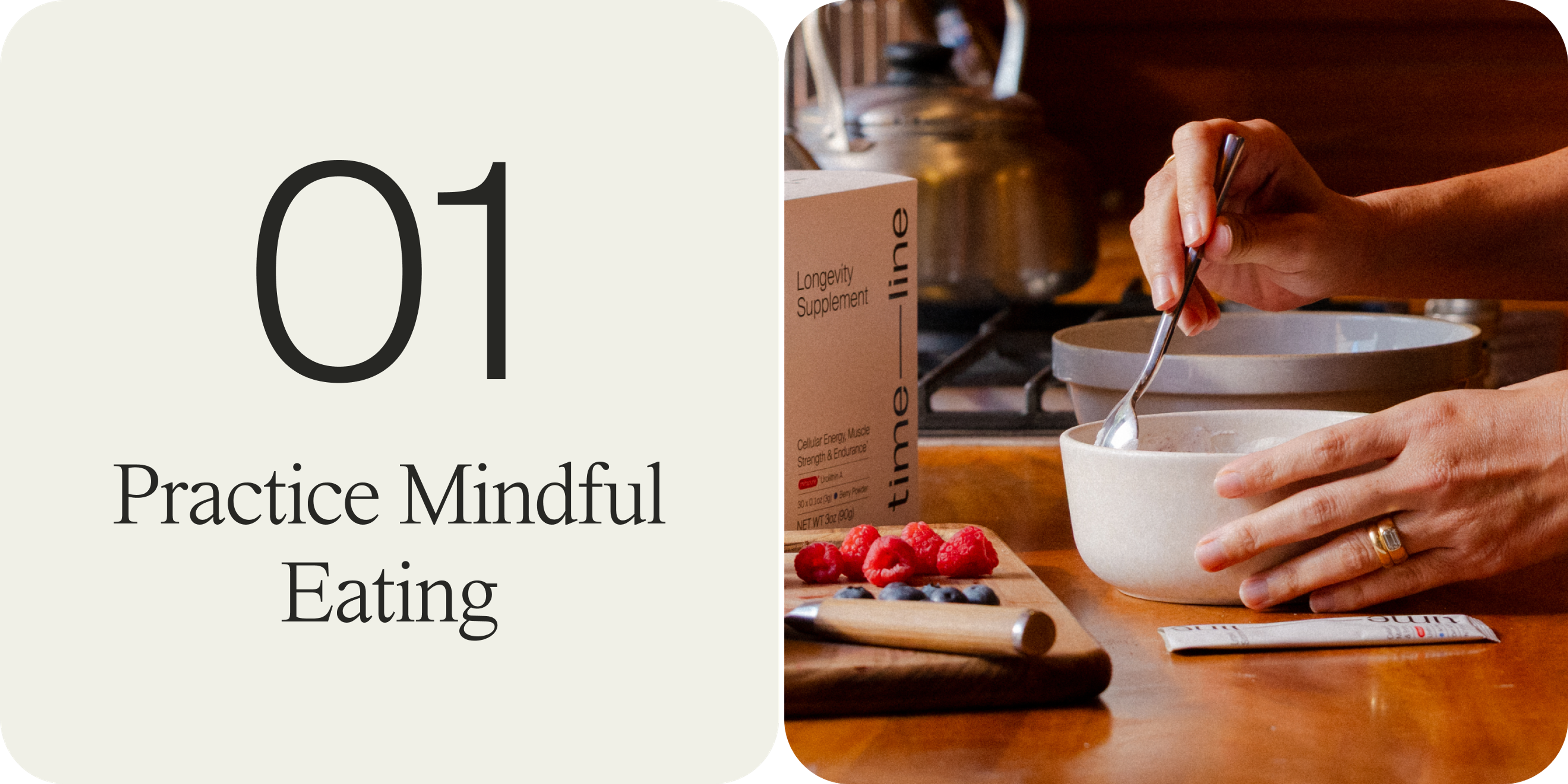
Mindful eating is the act of eating with awareness and can be a powerful tool for helping you eat in a way that aligns with how you want to feel. Studies also show it’s associated with better diet quality[1].
Practicing mindfulness helps you to slow down and make intentional choices when there are tempting foods around you. It helps you enjoy the present moment, whether it’s cooking your family’s favorite holiday meal, watching your kids open their holiday presents, or even finding 20 minutes to get a short workout in.Jen Scheinman, MS, RDN, CDN, Director of Scientific Communications at Timeline
Being mindful can help slow your eating pace so you can notice the unique taste and texture of the food you’re enjoying. This can help you tune into your fullness cues, which signal to stop eating before you’re uncomfortably full.
Start with a simple pause before you eat, taking a moment to check in with your hunger level and decide what you truly want first. Then, choose your favorites, slow down, and savor each bite with your full attention and enjoyment.
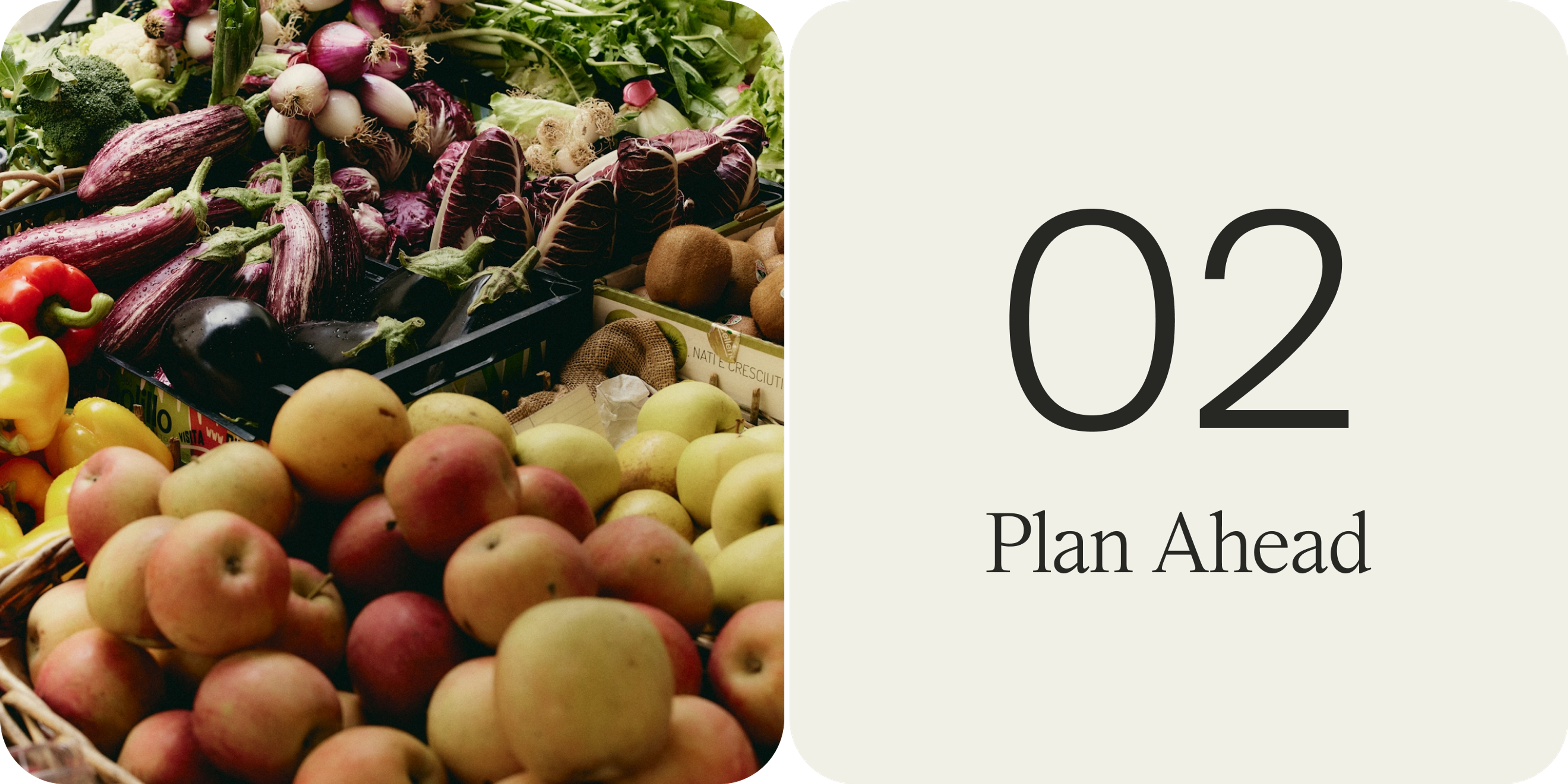
The holidays often disrupt our usual routines, so mindfulness and planning ahead help us stay intentional rather than reactive.Megan Landrum, MS, RD, VP of Timeline’s Healthcare Practitioner program
One simple strategy is to plan a healthy snack before you head out the door. A piece of fruit with nuts, Greek yogurt, whole-grain crackers with cheese, or a small protein bar are great options for keeping hunger at bay when holiday shopping. This can also make it easier to choose what you truly want once you arrive at a holiday party, so that we don’t overestimate our appetite.
You can also plan workouts ahead. Map out movement before the week begins, even if it looks different from your usual routine. Scheduling a walk with a friend, doing a short strength session at home, or committing to ten minutes of stretching in the morning can keep exercise on the radar without adding pressure.
Planning ahead also gives you agency, which can help to alleviate some of the stress that can accompany the holidays.Michelle Darian, MS, MPH, RD, Healthcare Copywriter at Timeline
Thirst can be mistaken for hunger, especially during the busy holiday season. Even mild dehydration can affect energy and decision-making, so staying hydrated may help you feel more alert and balanced.
Research[2] also shows that drinking water before meals may reduce calorie intake at the next meal. Therefore, drinking a large glass of water before your holiday meals and outings may be a smart strategy to try to ensure you’re hydrated while supporting more balanced eating.
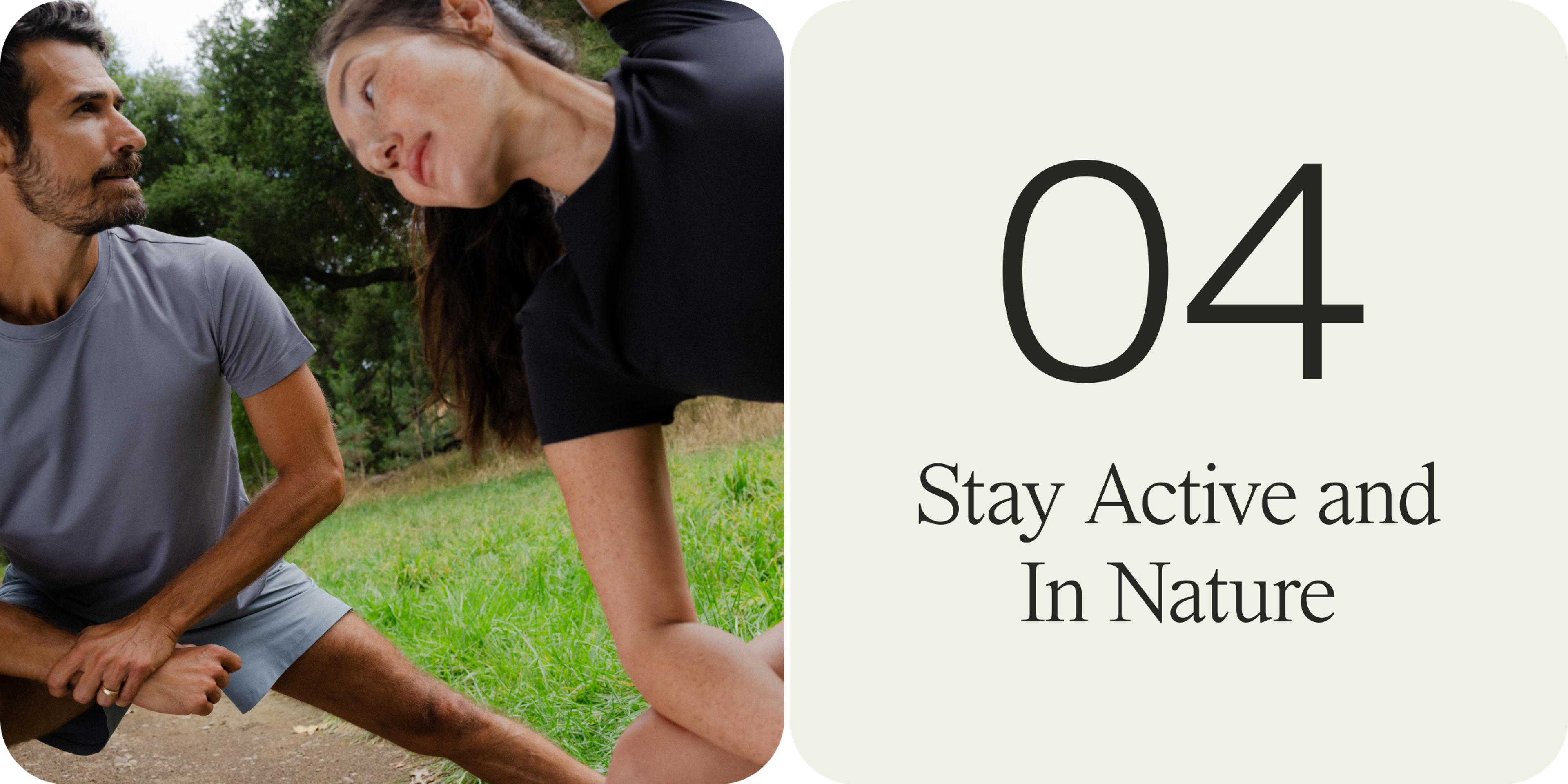
Gentle movement, even if it’s just longer walks rather than a run, keeps your routine steady when schedules get hectic. One 2019 study[3] showed that a simple 20-minute nature walk can reduce stress, so it can be very cathartic this time of year. Research also suggests[4] that being outside in nature can positively impact mental health, which tends to take its toll on people during this time of year.
A simple trick is to build movement into traditions, like a family game of basketball or football, or a short neighborhood walk after a meal. In fact, research finds that walking directly after a meal is more effective for[5] weight loss than waiting to walk an hour after a meal. Walking after a meal is considered a glucose disposal signal, meaning it will help balance your blood sugar.[6]
One day, your goal may be to be fully present with your people. The next day, your goal can be to go on a walk with a family member.Michelle Darian, MS, MPH, RD, Healthcare Copywriter at Timeline
Instead of indulging in a bit of everything, decide in advance which treats you really want. This keeps splurges intentional rather than impulsive. In other words, if you don’t truly care about a food, you can skip it and remember you aren’t missing anything special.
Wellness isn’t about perfection; it is about balance and sustainability, which includes space for celebration and connection.Megan Landrum, MS, RD, VP of Timeline’s Healthcare Practitioner program
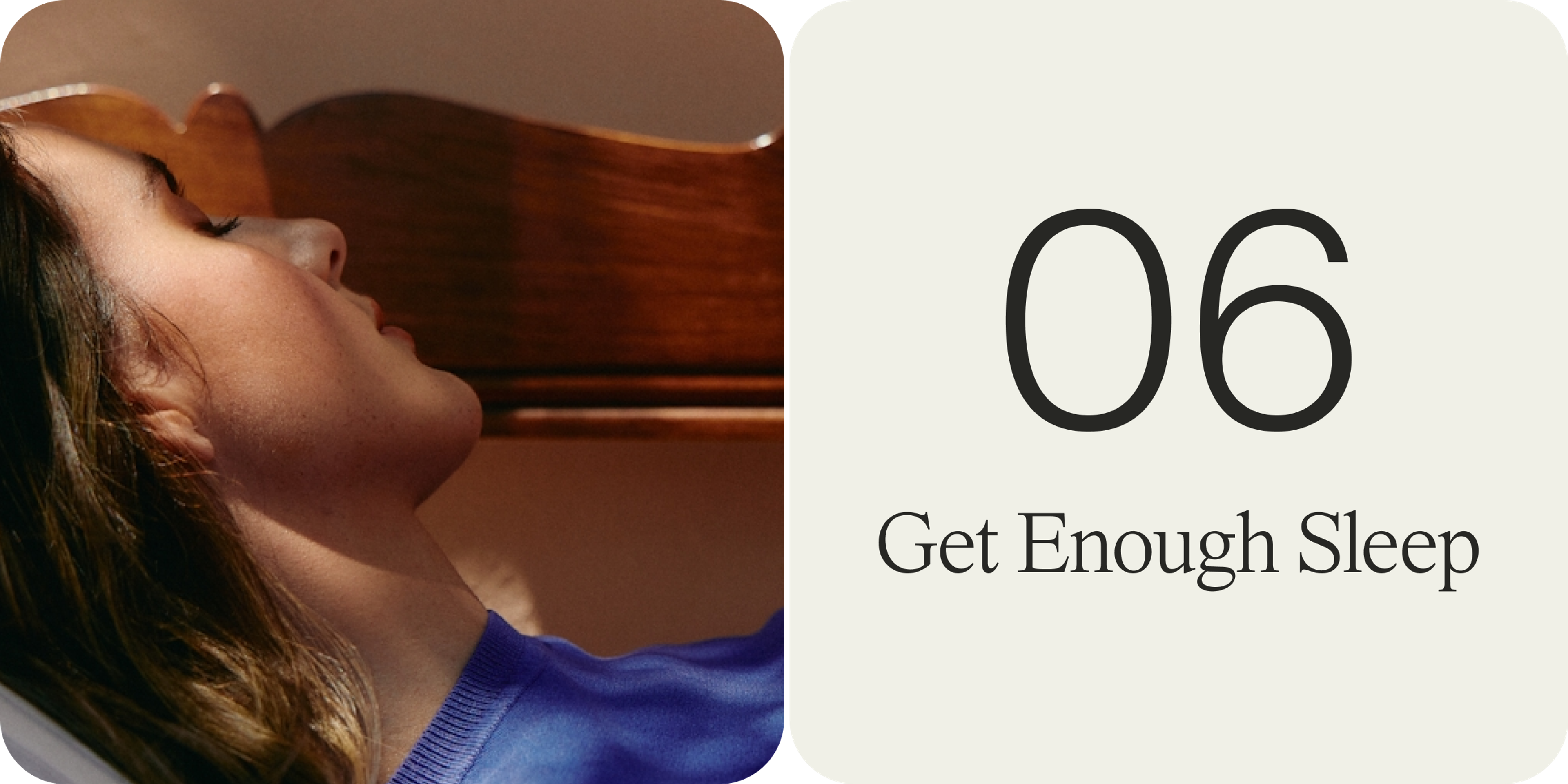
Quality sleep is essential for cellular renewal, daily energy levels, recovery, and mood. When you are well rested, you are better equipped to handle the social, logistical and environmental stressors that come up during this time of year. In contrast, lack of sleep leaves you low on energy, impacts your mood, and can make it harder to stay intentional with your healthy habits. Interestingly, lack of sleep can also disrupt hunger-regulating hormones like ghrelin and leptin, increasing the likelihood of overindulgence.[7]
Try to keep a consistent bedtime as much as possible during the holidays to protect your circadian rhythm. Darian emphasizes that it’s all about balance during the holiday season, but that a full night’s sleep should be one of the top priorities.
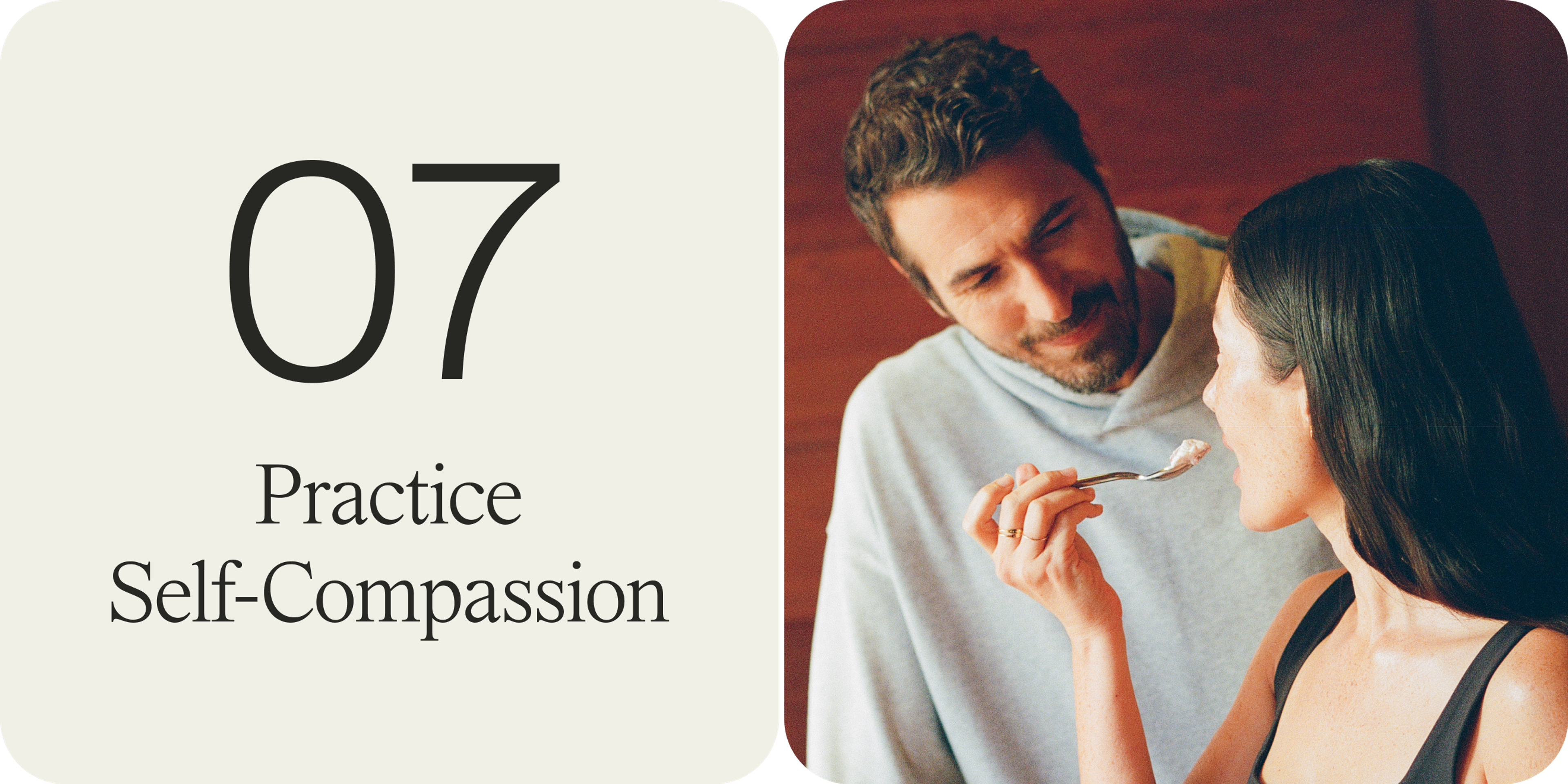
Another strategy is to accept the holidays as a time where you loosen the reins on your dietary habits.Emily N. Werner, PhD, RD, CSSD, IFNCP, Nutrition Affairs Sport Lead at Timeline
Werner emphasizes that practicing self-compassion allows you to step outside your goals for a short time, knowing you will be able to come out the other end just fine.
Scheinman echoes the value of self-compassion, which she says gives you the grace to recognize that you won’t always be perfect and not to let one missed workout or an overeating episode turn into a season-long spiral.
Following the 80% rule for eating can be a helpful goal, as many do in the Blue Zones of the world, the world’s longest-living populations. This means 80% of the time you may be choosing nutritious options while allowing indulgences the other 20% of the time.
Research also shows that practicing self-compassion rather than negative self-talk when you feel you've veered from healthy habits may help you overcome setbacks on your health journey.[8]
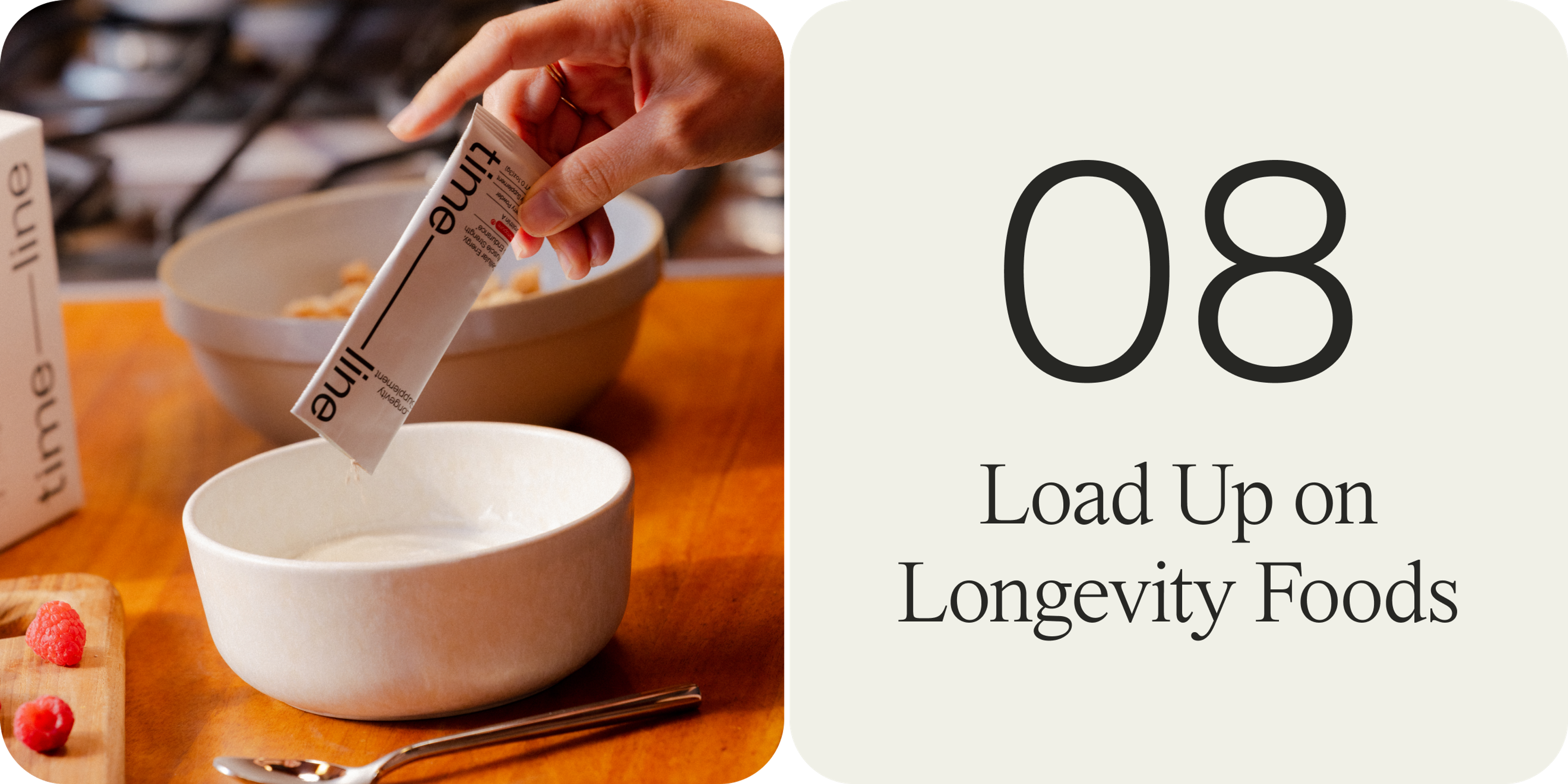
Loading up on longevity-supporting foods this holiday, such as fish, plant-based beans and lentils, root vegetables, and festive fruits, can help you meet your healthy holiday eating goals while providing the traditional flavors you and your family love.
If you want to learn the key longevity holiday foods to eat and how to cook yourself a nourishing holiday meal or Christmas dinner, take a look at our holiday meals for longevity.
And when it comes to your beverages, it doesn’t always have to be plain water to be healthy. You can also learn how to biohack your favorite fall lattes or winter smoothies into healthier versions with longevity-supporting ingredients like cinnamon, turmeric, and Urolithin A-packed Mitopure® powder.
Mitopure Powder
4.5 (1127) · 94% recommend
A tasty addition to your health routine
Finding Balance with Holiday Stress
By practicing healthy habits during the holidays, you can fully enjoy this joyous season while still supporting your well-being. Indulge in a way that makes you feel nourished, not guilty.
Authors

Written by
Dietitian-Nutritionist, and Health Content Writer

Reviewed by
Director Science Communications
References
- ↑
Paolassini-Guesnier P, Van Beekum M, Kesse-Guyot E, et al. Mindful eating is associated with a better diet quality in the NutriNet-Santé study. Appetite. 2025;206:107797. doi:https://doi.org/10.1016/j.appet.2024.107797 (https://www.google.com/url?q=https://doi.org/10.1016/j.appet.2024.107797&sa=D&source=docs&ust=1765918529301046&usg=AOvVaw28TRoqODzRihFGTvY1YdGQ)
- ↑
Jeong JN. Effect of Pre-meal Water Consumption on Energy Intake and Satiety in Non-obese Young Adults. Clin Nutr Res. 2018;7(4):291-296. doi:10.7762/cnr.2018.7.4.291
- ↑
Hunter MCR, Gillespie BW, Chen SYP. Urban Nature Experiences Reduce Stress in the Context of Daily Life Based on Salivary Biomarkers. Frontiers in Psychology. 2019;10(1). doi:https://doi.org/10.3389/fpsyg.2019.00722 (https://www.google.com/url?q=https://doi.org/10.3389/fpsyg.2019.00722&sa=D&source=docs&ust=1765918529295430&usg=AOvVaw3CnVZ4AeAAKLVtOFfMu-Nc)
- ↑
Coventry PA, Brown JE, Pervin J, et al. Nature-based outdoor activities for mental and physical health: Systematic review and meta-analysis. SSM Popul Health. 2021;16:100934. Published 2021 Oct 1. doi:10.1016/j.ssmph.2021.100934
- ↑
Hijikata, Y., & Yamada, S. (2011). Walking just after a meal seems to be more effective for weight loss than waiting for one hour to walk after a meal. International journal of general medicine, 4, 447–450. https://doi.org/10.2147/IJGM.S18837 (https://www.google.com/url?q=https://doi.org/10.2147/IJGM.S18837&sa=D&source=docs&ust=1765918529302874&usg=AOvVaw3RJZfHKbT4VDlEl8lwbpc3)
- ↑
Bellini, A., Nicolò, A., Bazzucchi, I., & Sacchetti, M. (2022). The Effects of Postprandial Walking on the Glucose Response after Meals with Different Characteristics. Nutrients, 14(5), 1080. https://doi.org/10.3390/nu14051080 (https://www.google.com/url?q=https://doi.org/10.3390/nu14051080&sa=D&source=docs&ust=1765918529301896&usg=AOvVaw3DL91DGw1L_E90QRwEaoKp)
- ↑
Greer SM, Goldstein AN, Walker MP. The impact of sleep deprivation on food desire in the human brain. Nat Commun. 2013;4:2259. doi: 10.1038/ncomms3259. PMID: 23922121; PMCID: PMC3763921.
- ↑
Hagerman, C., Ehmann, M., Taylor, L., & Forman, E. (2023). The role of self-compassion and its individual components in adaptive responses to dietary lapses. Appetite, 107009 . https://doi.org/10.1016/j.appet.2023.107009 (https://www.google.com/url?q=https://doi.org/10.1016/j.appet.2023.107009&sa=D&source=docs&ust=1765918529304096&usg=AOvVaw0ydq6wV77qi27zeCwDKGh0).