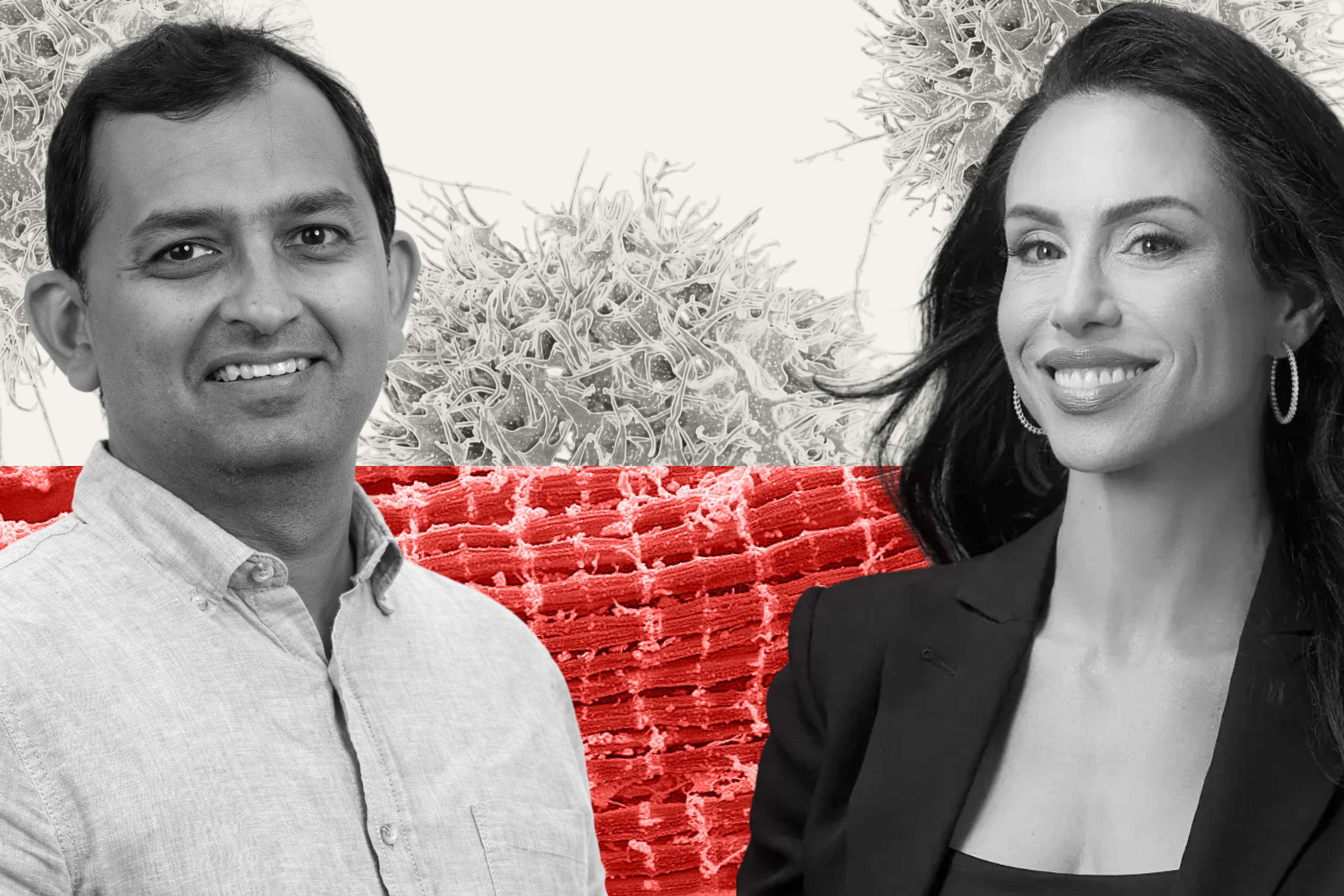
Dr. Gabrielle Lyon and Dr. Singh Discuss Aging and Health
Dr. Gabrielle Lyon and Dr. Anurag Singh discuss how mitochondria connect immune and muscle aging, and how Urolithin A can support both with age.
What to know
Immune aging a multifaceted biological process that includes a decline in specific immune cells that contribute to age-related immune weakness.
Muscle and immune health are deeply interconnected through mitochondrial function.
Aging immune cells don’t disappear; they become senescent and metabolically inefficient.
Mitochondrial recycling is essential for maintaining youthful immune and muscle cells.
Clinically studied Mitopure® has been shown to improve mitochondrial health, expand T-cells, and enhance immune and muscle function in older adults.†
How can we tell if our immune system is truly healthy as we age? This question was at the heart of a recent conversation between Dr. Gabrielle Lyon and Dr. Anurag Singh (Timeline's Chief Medical Officer) on Dr. Gabrielle Lyon's Podcast.
Mitochondrial Renewal: Why Your Immune Cells Need More Than Just Vitamin C | Anurag Singh
Dr. Singh, immunologist, physician-scientist, and Chief Medical Officer at Timeline, shared fascinating new research on immune aging, muscle health, and mitochondrial rejuvenation. In particular, he highlighted the role of mitophagy (i.e., mitochondrial recycling) and a compound called Urolithin A in maintaining cell youthfulness.
Below, we break down the key insights from their talk covering how our immunity declines with age, why muscle and immune health are intertwined, and how the proprietary Urolithin A supplement Mitopure® can recharge mitochondria in both immune cells and muscle†
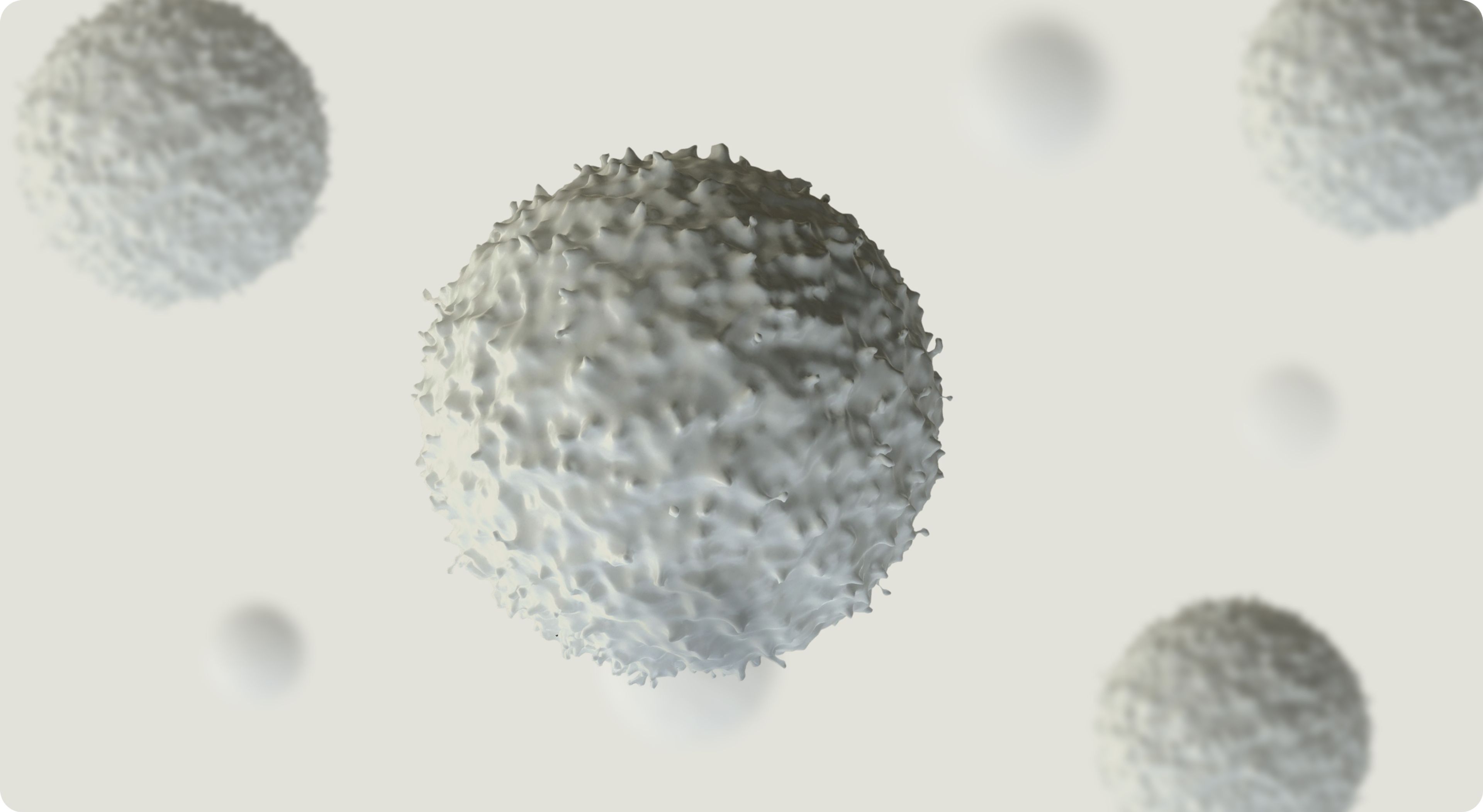
How Does Immune Aging Work?
As we age, our immune system doesn’t function as efficiently as it once did. Dr. Singh explained that many doctors oversimplify immune health.
Dr. Lyons: “How can someone tell if their immune system is healthy?”
Dr. Singh: “A lot of doctors… only think about the immune system with one marker, C-reactive protein… But the two key things that happen [with chronic inflammation is] your total leukocyte counts go down, and your total lymphocyte counts go down. Lymphocytes being sort of these sentinels, policemen, or elite forces of the immune system.”
Dr. Singh goes on to explain why this happens. He discusses the thymus, an organ responsible for producing T-cells during childhood and adolescence. After our teens, the thymus begins to shrink and slow down.
As a result, by our 50s, we’re left with only a small fraction of the naïve immune “ammo” we had in our youth. This makes it harder to fight off infections and contributes to an age-related immune sluggishness.
Dr. Singh: “The immune system as an organ has been very understudied in the aging field… I do believe that if we can tackle immune aging earlier, we can keep all the other organs healthier much longer.”
Mitochondrial function plays a key role in how our immune system operates. These organelles are responsible for creating the energy immune cells need to protect our body from foreign invaders.
Dr. Singh: “The biggest problem is these immune cells get fatigued, they don’t wither away, [they] just get kind of senescent.”
What Is The Muscle-Immune Axis?
Dr. Lyon and Dr. Singh discuss how muscle health and immune health are two sides of the same coin, connected through the common denominator of mitochondria.
Dr. Singh: “It doesn’t get a lot of visibility, but one of the things that happens with aging in the skeletal muscle is sort of this muscle-immune dysfunction. A lot of immune cells tend to hang around in the skeletal muscle…These immune cells become dysregulated with aging.”
Dr. Lyons and Dr. Singh go on to discuss the parallel decline of muscle and immune function as a general feature of aging.
Dr. Lyon: “What’s the relationship between immune health and muscle?”
Dr. Singh: “I think it’s a very key axis…When you compare fit 75-year-olds who are strength training and running 10Ks versus 75-year-olds who are frail and sedentary, the top 20 pathways that light up [as different] are all linked to two main biological hallmarks of aging: poor mitochondria and immune cell dysregulation.”
This is why strategies that target mitochondria and cellular renewal could have broad benefits across multiple organ systems.
What is the Difference Between Mitophagy and Autophagy?
Dr. Singh: “Autophagy means self-renewal. So when our cells get stressed, and they feel their organelles are getting sort of damaged, it’s the body’s way of clearing the waste and the damaged organelles out.”
However, there’s a more targeted form of this process when it comes to our cellular energy factories, the mitochondria. Mitochondria are essential for powering our cells, but as they age, they can become dysfunctional and even toxic to the cell. The body has a specific autophagy pathway just for mitochondria, known as mitophagy.
Dr. Singh: “There’s very targeted autophagy in these organelles... For example, for the mitochondria, targeted autophagy inside the mitochondria is called mitophagy. So it’s really specific to the mitochondria, and there are thousands of them inside the cells.”
Researchers have been eager to find ways to safely boost mitophagy in humans, in hopes of rejuvenating cells and improving organ function as we age. That’s where the conversation turned to an exciting longevity compound: Urolithin A.
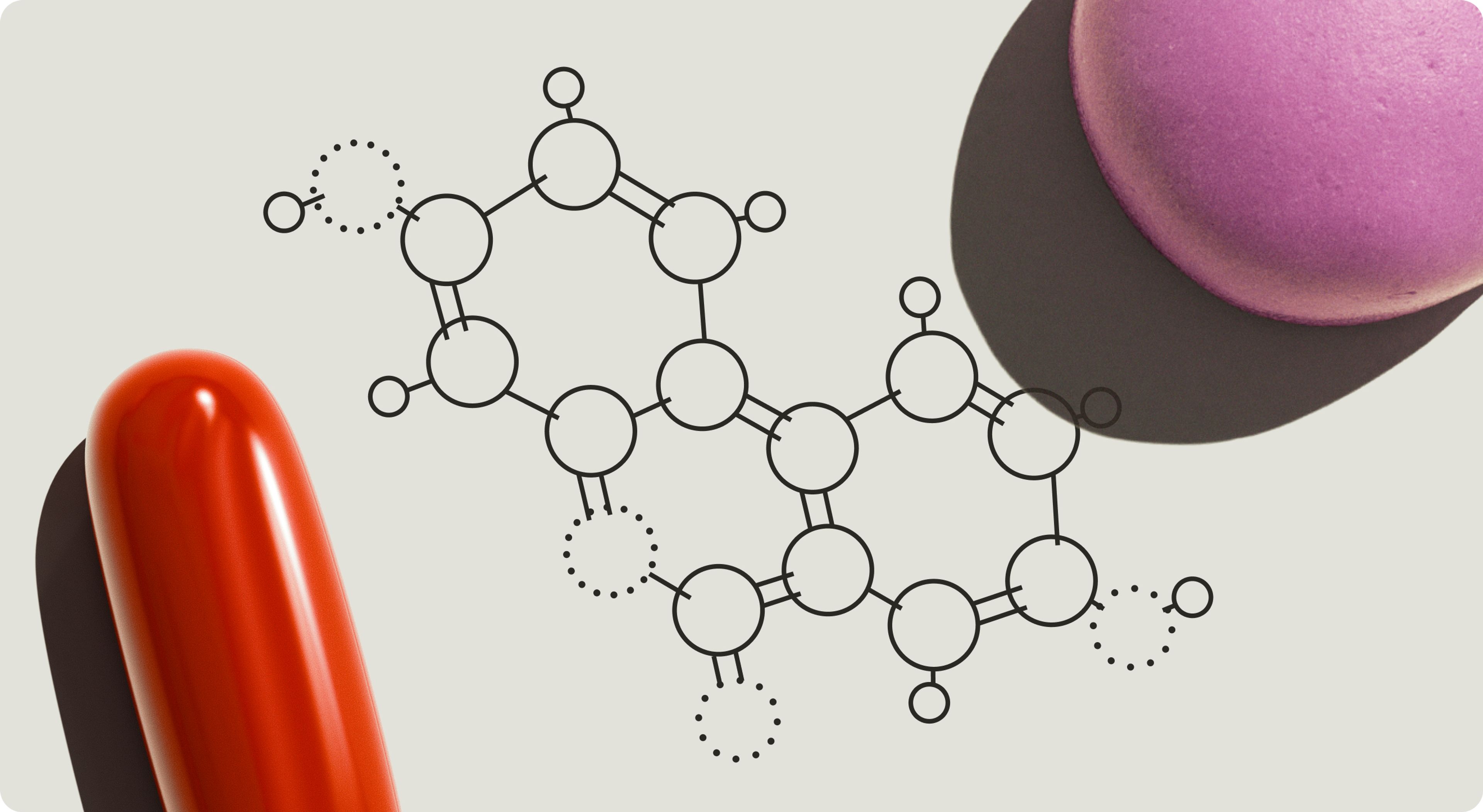
What is Urolithin A?
Urolithin A is a naturally occurring compound that has emerged as a potent enhancer of mitophagy. Interestingly, Urolithin A is not found directly in foods but is instead produced by your gut microbiome when you eat certain foods.
However, not everyone’s gut is capable of making Urolithin A.
Dr. Singh: “About 30 to 40% of healthy adults, meaning those who are eating the right foods, etc.[can make Urolithin A]. And it’s very different by geography. For example, in countries where a Mediterranean diet is very common, like France and Italy, we see about 40%. I’ve done studies in the US and Canadian population, and it’s like 10 to 15%.”
The good news is that Urolithin A can now be delivered directly through Mitopure, a nutritional supplement that provides a validated dose without relying on individual differences in gut microbiome composition.
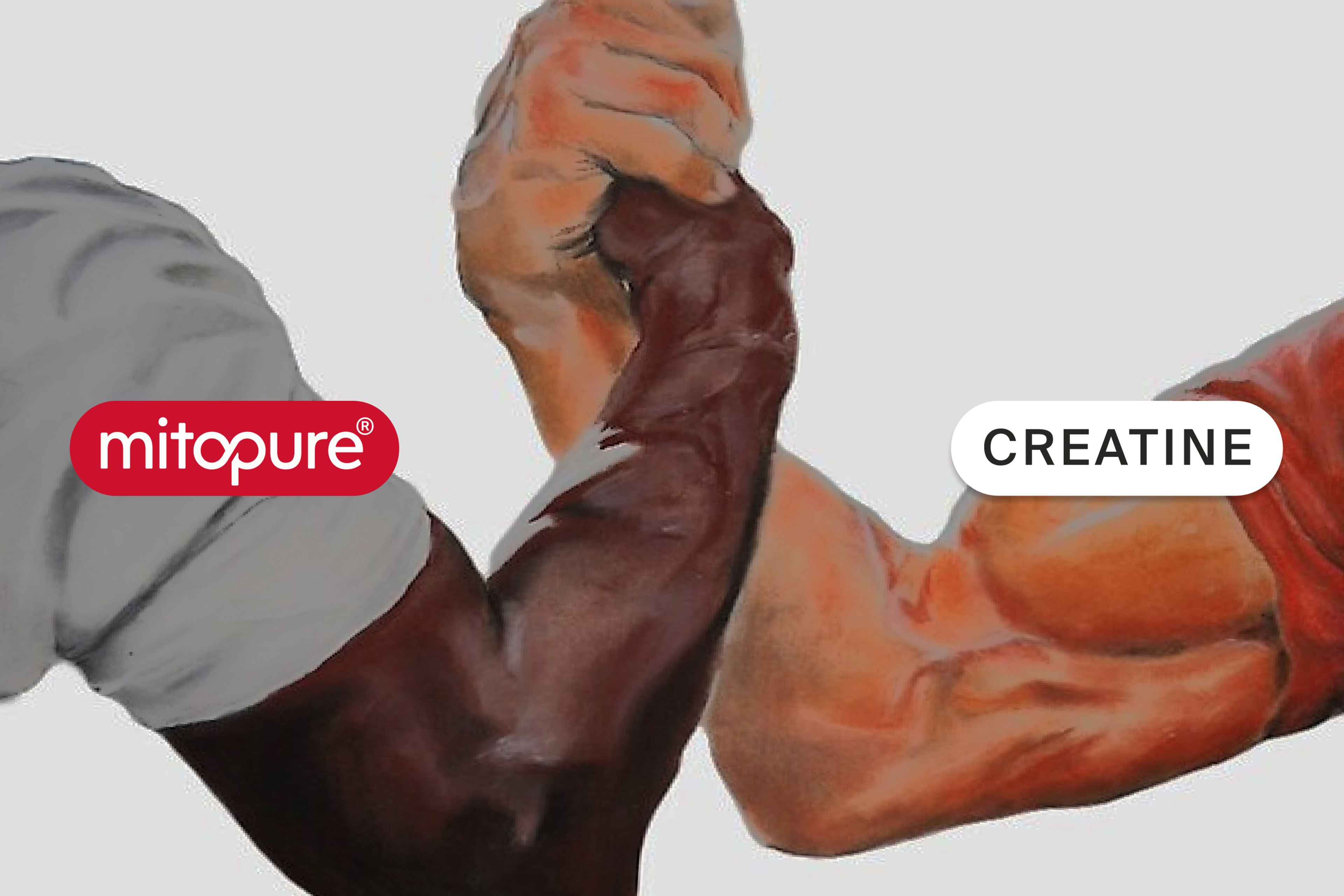
Dr. Lyons: “Mitopure supports mitochondrial renewal and has been shown to increase muscle strength by roughly 12% even without changes in exercise, by improving cellular energy where it matters most. Muscle is the organ of longevity, and without strong mitochondria, you can’t have strong muscles.”[1]
Rewiring the Immune System: Urolithin A’s Clinical Results
By tackling mitochondrial health, Urolithin A may also have a strong impact on immunity, not just muscle. Dr. Singh recently led a randomized, placebo-controlled trial, published in Nature Aging,[2] to test whether Mitopure could positively impact aspects of age-related immune decline†
Dr. Lyon: “Tell me a little about this trial.”
Dr. Singh: “25 people got placebo, 25 got Urolithin A… they took it for a month, and then we evaluated the changes at a single-cell level, looking at millions of these immune cells. We found these impacts in one month, which is pretty remarkable.”
Dr. Singh: “We looked at these naïve CD8 T-cells, these stem-cell-like youthful immune cells, [asking] could we increase their number in the body? And second, would having better mitochondria help them divide and have more? What we find is actually both are true in this cohort of aged 50-plus individuals.”
In other words, Mitopure supplementation mobilized more naïve T-cells, effectively expanding the immune system’s reserve. The team also observed an increase in natural killer (NK) cells, another important immune cell type, suggesting a broad immune rejuvenation effect.
At the same time, they measured mitochondrial health inside immune cells. The Mitopure group’s T-cells showed a clear shift in metabolism and increased mitochondrial vitality.
Dr. Singh: “We saw about a 20% increase in mitochondrial abundance in these immune cells. And then they’re about 40% better at… using fatty acids instead of glucose.”
This finding is fascinating; it suggests that Mitopure not only spurred the creation of new mitochondria (through clearing out the old ones) but also “retrained” the immune cells’ metabolism†
Dr. Singh: “It’s like rewiring the entire immune system.”
They also discovered that Mitopure was able to improve immune fitness as a whole after only one month of the trial.†
Dr. Singh: “We took the immune cells out [of the body] and put a stressor like a bacterial infection. The immune cells were able to kill the infection much faster, about 20% better, than the placebo-controlled immune cells.”
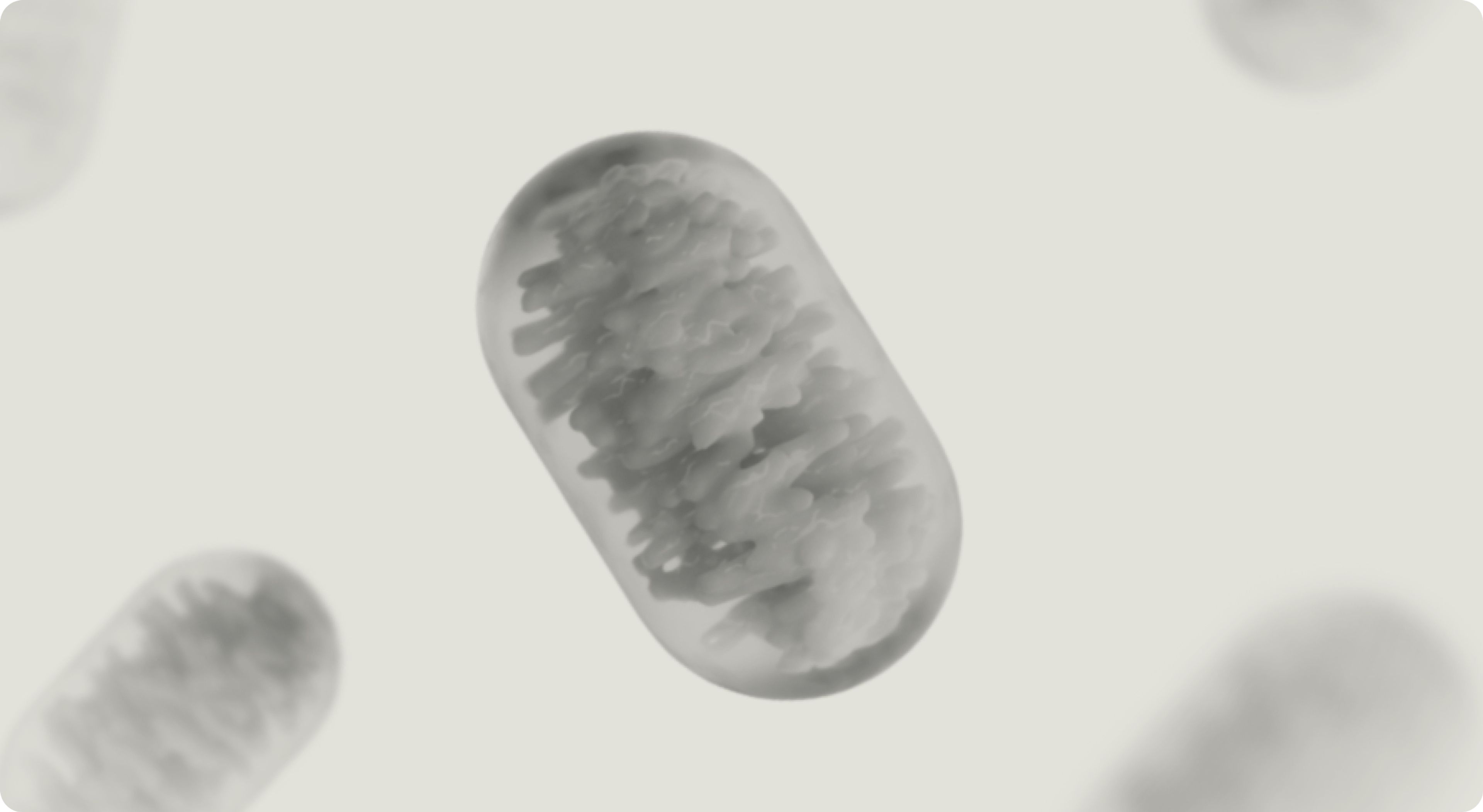
Mitochondria as the Foundation of Muscle and Immunity
You can’t have a strong body without healthy mitochondria, and that includes both muscles and the immune system. Whether it’s immune aging or the weakening of muscle function, mitochondrial dysfunction is a common thread.
Dr. Singh’s research on Mitopure makes a compelling case for how cellular renewal can translate into real-world benefits. If you’re looking to support your mitochondrial health, Mitopure offers a clinically backed way to do so.
Mitopure Gummies
4.8 (2035) · 98% recommend
A strawberry-flavored dose of cellular energy
†Our randomized, placebo-controlled clinical study showed that supplementation with Mitopure® 1,000mg for 4 weeks was associated with improvements in mitochondrial health of immune cells, favorable shifts in T-cell populations (including naïve cells), and markers of healthy immune function, in healthy, middle-aged adults.
Authors

Written by
Freelance writer
Reviewed by
Director Science Communications
References
- ↑
Singh A, D'Amico D, Andreux PA, Fouassier AM, Blanco-Bose W, Evans M, Aebischer P, Auwerx J, Rinsch C. Urolithin A improves muscle strength, exercise performance, and biomarkers of mitochondrial health in a randomized trial in middle-aged adults. Cell Rep Med. 2022 May 17;3(5):100633. doi: 10.1016/j.xcrm.2022.100633. PMID: 35584623; PMCID: PMC9133463.
- ↑
Denk, D., Singh, A., Kasler, H.G. et al. Effect of the mitophagy inducer urolithin A on age-related immune decline: a randomized, placebo-controlled trial. Nat Aging 5, 2309–2322 (2025). https://doi.org/10.1038/s43587-025-00996-x (https://www.google.com/url?q=https://doi.org/10.1038/s43587-025-00996-x&sa=D&source=docs&ust=1771235920930446&usg=AOvVaw0Zhh-3FzcoKehEi1m23UXK)