Are Naps Healthy for Your Brain? What the Science Says
Short daily naps may help with brain health, but longer naps are associated with disease. Separate fact from fiction about naps and your health.
What to know
Short daily naps, taken in the early afternoon, have been associated with lower Alzheimer’s risk and better cognition.
Habitual daily napping may help protect against age-related brain shrinkage.
Longer naps, and those taken in the morning or late afternoon, have been associated with increased Alzheimer’s risk and early death.
Napping may be more challenging to master than we realize.
An afternoon snooze may feel like a lazy luxury, but research suggests that when done correctly, napping can provide powerful benefits to whole-body health.
But not all naps are created equal. Longer or mistimed naps have been linked to poorer health outcomes, including a higher risk of early death. In other words, how you nap matters just as much as whether you nap.
So, how do you nap like a pro? Let’s delve into the nuances of napping, what the data says, and how to put it into practice.
Are Naps Actually Healthy for Your Brain?
Without a doubt, sleep is crucial for brain health. It helps regulate mood and stress, maintains stable glucose levels to support steady brain energy, and plays a key role in consolidating memories. It even protects against brain fog by improving the quality of our mitochondria, keeping our body’s little power factories humming at full speed so we can be more alert and think more clearly.[1]
With that in mind, it makes sense that afternoon naps, with a few important caveats, can also support overall health. Here's how:
Increased brain size
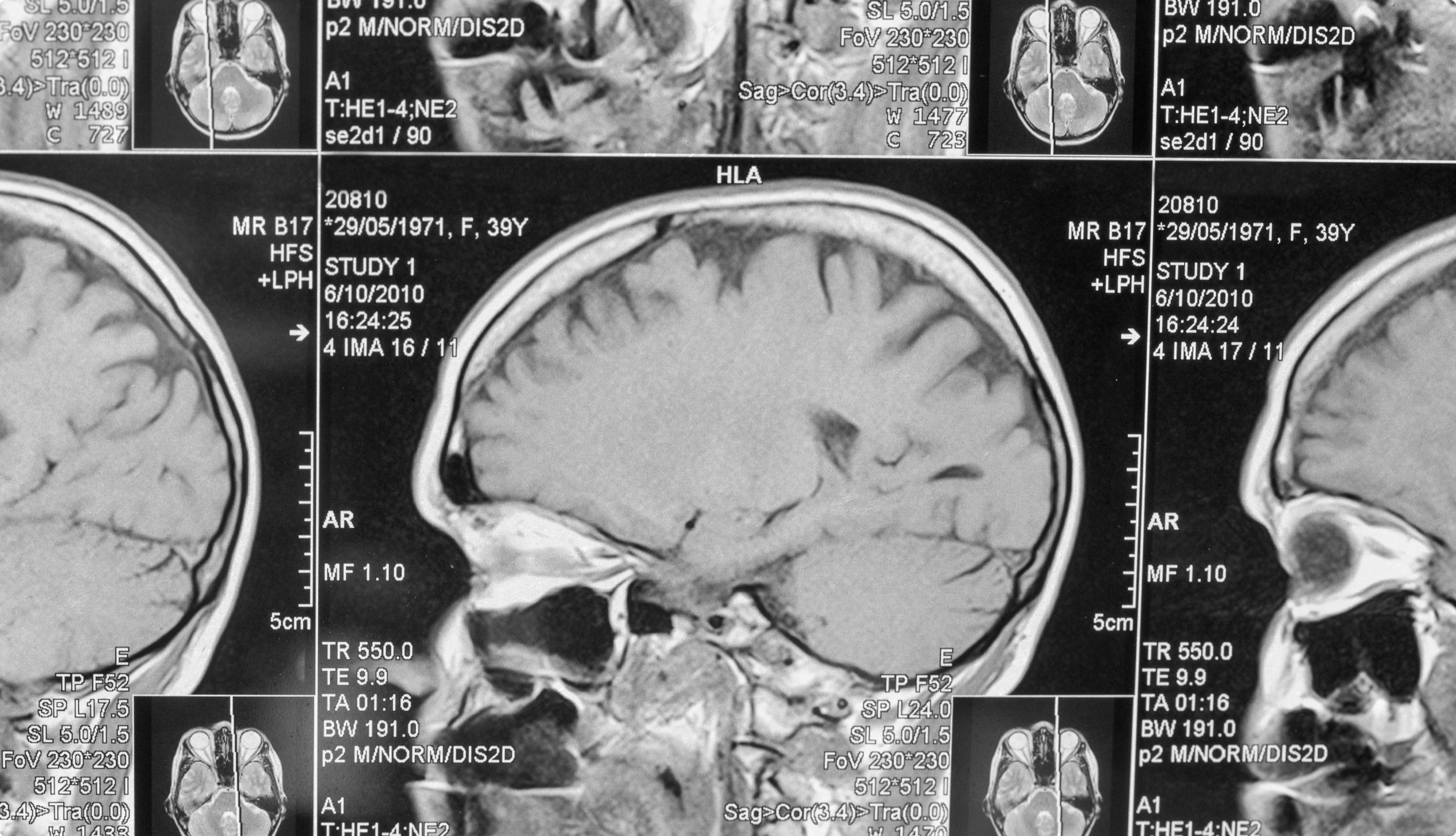
As we age, our brains shrink. [2]This can result in slower processing speeds and impaired memory. When scientists looked at specific genetic factors that might predispose someone to napping, they found that habitual nappers retained more brain volume as they aged. This retained brain size was equivalent to 2.6 to 6.5 years of reduced brain aging.[3]
Lower Alzheimer’s risk
Examining data from more than 50,000 people, scientists found tentative evidence of a protective effect against Alzheimer’s disease. In the study, people who self-reported that they were daytime nappers were 33 percent less likely to develop the disease. [5]Another study of 936 adults found that when older people napped in the afternoon, they had less accumulation of amyloid beta, brain plaques that are characteristic of Alzheimer’s.[4]
Improved cognition
A study of around 3,000 older adults in China found that those who took a 30-90 minute afternoon nap performed better on cognitive tests than those who didn’t nap.[6]

Potential Downsides of Daytime Naps
The findings from these studies come with caveats. When people napped for too long or too early in the day, the benefits disappeared or were associated with poorer health outcomes.
In a Chinese study of cognition, for example, people who napped for more than 90 minutes didn’t get the boost in cognitive performance that those sleeping in the 30-90 range did.
Furthermore, the study on afternoon nappers and Alzheimer’s found the opposite effect for those who napped in the morning. Pre-noon sleepers were more likely to develop Alzheimer’s.[7]
One reason for these findings, scientists theorize, is that napping early in the day, or for long periods, could indicate that you’re not getting enough sleep during the night. Longer, earlier naps like this have been associated with obesity, high blood pressure, and even early death.[8]
Do Naps Make You Live Longer?
As with brain health, the longevity benefits of napping depend on when your head hits the pillow, how long you sleep, and how you’re sleeping at night.
In some studies, napping is linked to improved disease outcomes: In one study of 3,462 healthy adults in Switzerland, those who napped once or twice per week had a 48 percent lower risk of heart disease compared to non-nappers. In another study of 23,000 Greek adults, those who napped for 30 minutes, three times per week, were 33 percent less likely to die from cardiovascular disease than those who didn’t nap.[9]
But once again, the time of day and length of nap matter: In studies of naps and all-cause mortality, or early death, those who regularly take naps longer than 60 minutes, or take naps around noon, are at greater risk for early death.[10]
How to Nap for Brain Health
What the science says
The current research landscape on napping and overall health is mixed. Some studies show benefits, others show risks, and others show no correlation at all. [11]While the research on brain health and naps is still evolving, some interesting patterns have emerged. Shorter, afternoon naps seem to be better.
So if you’re not a napper, don’t feel the pressure to start. But if you’re someone who loves a good nap, these three simple takeaways can help:
- Set an alarm for 30 minutes: Naps longer than this are associated with worse disease and brain outcomes, and even an increase in all-cause mortality.[12]
- Nap between 1 and 3 pm: A desire to nap early in the day is associated with poor sleep, and also with Alzheimer’s, high blood pressure, and obesity. Later naps may interrupt your nighttime slumber. And remember, a nap is not a substitute for high-quality nighttime sleep.
- Keep track of your naptime consistency: If you’re suddenly napping much more, much less, for more or less time, or at different times of the day, consult your doctor. These napping habits have been shown to be connected with disease states and mortality, and may indicate problems with your nighttime sleep.

Closing Remarks
Napping isn’t inherently good or bad. Used thoughtfully, a short, well-timed afternoon nap can support brain function, mood, and even long-term health. But longer, inconsistent, or early-day naps may signal poor nighttime sleep or underlying health issues.
The takeaway is simple: if you nap, keep it short, keep it consistent, and let it complement, not replace, quality sleep at night.
Authors

Written by
Health & Fitness Writer

Reviewed by
Director Science Communications
References
- ↑
Han S, Kim DK, Jun SE, Kim N. Association of sleep quality and mitochondrial DNA copy number in healthy middle-aged adults. Sleep Med. 2024 Jan;113:19-24. doi: 10.1016/j.sleep.2023.11.011. Epub 2023 Nov 10. PMID: 37979503.
- ↑
Persson N, Ghisletta P, Dahle CL, et al. Regional brain shrinkage and change in cognitive performance over two years: The bidirectional influences of the brain and cognitive reserve factors. Neuroimage. 2016;126:15-26. doi:10.1016/j.neuroimage.2015.11.028
- ↑
Paz V, Dashti HS, Garfield V. Is there an association between daytime napping, cognitive function, and brain volume? A Mendelian randomization study in the UK Biobank. Sleep Health. 2023;9(5):786-793. doi:10.1016/j.sleh.2023.05.002
- ↑
Gao, C., Zheng, X., Cai, R., Yu, L., Schneider, J. A., Buchman, A. S., Bennett, D. A., Leng, Y., Ibáñez, A., Gao, L., Hu, K., & Li, P. (2025). Timing and intraindividual variability of daytime napping and Alzheimer's disease in older adults. Communications medicine, 5(1), 219. https://doi.org/10.1038/s43856-025-00936-1 (https://www.google.com/url?q=https://doi.org/10.1038/s43856-025-00936-1&sa=D&source=docs&ust=1771947381725213&usg=AOvVaw3iqi-iRxAfkhY0pDuq8Q5V)
- ↑
Anderson, E. L., Richmond, R. C., Jones, S. E., Hemani, G., Wade, K. H., Dashti, H. S., Lane, J. M., Wang, H., Saxena, R., Brumpton, B., Korologou-Linden, R., Nielsen, J. B., Åsvold, B. O., Abecasis, G., Coulthard, E., Kyle, S. D., Beaumont, R. N., Tyrrell, J., Frayling, T. M., Munafò, M. R., … Davey Smith, G. (2021). Is disrupted sleep a risk factor for Alzheimer's disease? Evidence from a two-sample Mendelian randomization analysis. International journal of epidemiology, 50(3), 817–828. https://doi.org/10.1093/ije/dyaa183 (https://www.google.com/url?q=https://doi.org/10.1093/ije/dyaa183&sa=D&source=docs&ust=1771947381718526&usg=AOvVaw2O-J6QsMiZ3vdX-E2MFVsb)
- ↑
Li, J., Cacchione, P. Z., Hodgson, N., Riegel, B., Keenan, B. T., Scharf, M. T., Richards, K. C., & Gooneratne, N. S. (2017). Afternoon Napping and Cognition in Chinese Older Adults: Findings from the China Health and Retirement Longitudinal Study Baseline Assessment. Journal of the American Geriatrics Society, 65(2), 373–380. https://doi.org/10.1111/jgs.14368 (https://www.google.com/url?q=https://doi.org/10.1111/jgs.14368&sa=D&source=docs&ust=1771947381727479&usg=AOvVaw0SyHhELDTV9RW2WKh6GiMv)
- ↑
Gao, C., Zheng, X., Cai, R. et al. Timing and intraindividual variability of daytime napping and Alzheimer’s disease in older adults. Commun Med 5, 219 (2025). https://doi.org/10.1038/s43856-025-00936-1 (https://www.google.com/url?q=https://doi.org/10.1038/s43856-025-00936-1&sa=D&source=docs&ust=1771947381763497&usg=AOvVaw3Pi_BuhP9KIWaxy6w3sKtw)
- ↑
Vizmanos, B., Cascales, A. I., Rodríguez-Martín, M., Salmerón, D., Morales, E., Aragón-Alonso, A., Scheer, F. A. J. L., & Garaulet, M. (2023). Lifestyle mediators of associations among siestas, obesity, and metabolic health. Obesity (Silver Spring, Md.), 31(5), 1227–1239. https://doi.org/10.1002/oby.23765 (https://www.google.com/url?q=https://doi.org/10.1002/oby.23765&sa=D&source=docs&ust=1771947381733331&usg=AOvVaw0OQVwPyNGcAMD7gqNJEsty)
- ↑
Naska, A., Oikonomou, E., Trichopoulou, A., Psaltopoulou, T., & Trichopoulos, D. (2007). Siesta in healthy adults and coronary mortality in the general population. Archives of internal medicine, 167(3), 296–301. https://doi.org/10.1001/archinte.167.3.296 (https://www.google.com/url?q=https://doi.org/10.1001/archinte.167.3.296&sa=D&source=docs&ust=1771947381739454&usg=AOvVaw2f58izXr7enU1oMOuNbutz)
- ↑
Chenlu Gao, Ruixue Cai, Xi Zheng, Lei Gao, Kun Hu, Peng Li, 0350 Objectively-Assessed Napping Behaviors Predict Mortality in Middle-to-Older Aged Adults, Sleep, Volume 48, Issue Supplement_1, May 2025, Page A152, https://doi.org/10.1093/sleep/zsaf090.0350 (https://www.google.com/url?q=https://doi.org/10.1093/sleep/zsaf090.0350&sa=D&source=docs&ust=1771947381740806&usg=AOvVaw1m7AjXan_WBtyZ-S4vMN9f)
- ↑
Gupta, A., & Dashti, H. S. (2025). Daytime Napping in Adults: Benefits or Risks? Insights from Mendelian Randomization Studies. Current sleep medicine reports, 11, 20. https://doi.org/10.1007/s40675-025-00333-z (https://www.google.com/url?q=https://doi.org/10.1007/s40675-025-00333-z&sa=D&source=docs&ust=1771947381744055&usg=AOvVaw06TA99vnFHgyX_We8k6tO2)
- ↑
Yang, Y. B., Zheng, Y. B., Sun, J., Yang, L. L., Li, J., Gong, Y. M., Li, M. Z., Wen, X., Zhao, H. Y., Shi, P. P., Yu, G. H., Yu, Z. L., Chen, Y., Yuan, K., Deng, J. H., Li, S. X., Yang, Y. F., Zhang, Z. H., Vitiello, M. V., Shi, J., … Bao, Y. P. (2024). To nap or not? Evidence from a meta-analysis of cohort studies of habitual daytime napping and health outcomes. Sleep medicine reviews, 78, 101989. https://doi.org/10.1016/j.smrv.2024.101989 (https://www.google.com/url?q=https://doi.org/10.1016/j.smrv.2024.101989&sa=D&source=docs&ust=1771947381749411&usg=AOvVaw25xRxhtZJTwlF-cshd0Dc9)