




Men's Health: 6 Strategies to Close the Longevity Gap
Why is the average life span of a man 5 years shorter than a woman's in the US? Here are 6 men’s health strategies that can extend life expectancy.
What to know
In the United States, men’s life expectancy is 76.4 years, compared to 81.4 years for women.
There are differences in genetics and cellular health, but the main cause of this longevity gap relates to health behaviors.
Exercising to improve VO2Max can improve men’s life expectancy.
Eating a Mediterranean diet that reduces meat consumption could improve the average lifespan of a man.
Mental health concerns are a key driver of mortality in men.
It's widely known that women tend to outlive men, but recent trends are highlighting a growing concern among researchers: the longevity gap between the sexes is widening. Timeline’s Director of Discovery and Translational Research, Dr. Davide D'Amico, PhD, shares some insights into the biochemical differences between men and women and offers his top science-backed lifestyle tips men can adopt today to improve their healthspan.
What Is the Longevity Gap Between Men and Women?
The longevity gap refers to the difference in life expectancy between men and women, and it's becoming increasingly pronounced.
A recent study showed that the difference in life expectancy in the U.S. by gender is at its largest since 2021, reaching 5.8 years.[1] This expanding gap underscores the need to focus on men's health to help close the disparity and promote longer, healthier lives for men.
What are sex-specific differences in research?
“Research starts with experimental models: You test a molecule, and you see how it impacts the biology and health of these models. Historically, there is a bias, and such basic research is done mostly, often only, in males,” D’Amico says.
This means that the deep science of longevity is better understood in males than in females. In humans, he says, research is relatively more sex-balanced, but still not near a 50/50 split. This gap in clinical research manifests as a gap in our understanding.
D’Amico goes on to discuss new research with inspiring findings. Only 20% of the sex-specific differences between males and females are epigenetic or genetic, while the remaining are behavioral.
Six Strategies to Improve Men's Health
Let’s get gender-specific: Here are six age-defying behavior changes that address men’s issues and are backed by scientific research to improve healthspan.

1. Movement Is a Must
Exercise is the single most well-documented intervention for longevity, with evidence showing it reduces risk across virtually every age-related condition. A 2022 study in the European Heart Journal found that even 15 minutes of vigorous exercise per week was associated with meaningfully lower mortality risk.[2]
Men need more exercise volume than women to reach the same health benefits.Davide D’Amico, Ph.D., R&D Group Leader with Timeline
Bumping that up to 75–149 minutes per week, the minimum recommended by the U.S. Department of Health and Human Services, was linked to a 19% lower risk of early death, including a 31% reduction in cardiovascular disease mortality.[3]
What’s interesting is that recent studies show that the impact of exercise is sex-specific, and men need more exercise volume than women to reach the same health benefits. A study published in the Journal of the American College of Cardiology demonstrates this. The researchers found that men had the greatest benefit when they were active for 300 minutes a week, but women only had to be active for 140 minutes a week to achieve a similar benefit.[4]
Can you use VO2 Max to measure healthspan?
V02 max is a measure of the maximum amount of oxygen your body can use during exercise. It tells you how well your heart can circulate blood to your muscles and how well your muscles can grab the oxygen from that circulating blood.[5]
VO2 max has long been a measure of how fit an athlete is, but in recent years, it’s become synonymous with longevity. As we age, VO2 max declines, but people with higher V02 max tend to have a lower risk of all-cause mortality.[6]
How to measure it: The clinical gold standard is cardiopulmonary exercise testing (CPET), a maximal effort treadmill or cycle ergometer test in which breath-by-breath gas exchange is directly measured.[7] For those without lab access, consumer wearables (Garmin, Apple Watch) now estimate VO2 max from heart rate data during outdoor runs, offering a practical but less precise proxy.
How can I improve my VO2 max?
VO2 max can be improved through high-intensity interval training (HIIT), where bouts of high-intensity work are paired with shorter intervals of easier work. These workouts are thought to improve VO2 max because they challenge exercisers to work at or near their own VO2 max.
Many HIIT workouts involve repeating the same intense efforts over and over again: For example, workouts inspired by the studies of Izumi Tabata, now called Tabata workouts, involve intervals of 30 seconds of work alternated by 15 seconds of rest.[8]
For men looking to accelerate those gains, the clinically validated supplement Mitopure has shown clinically meaningful results on its own. A randomized, placebo-controlled trial in Cell Reports Medicine found that Mitopure at a dose of 1000mg daily showed a clinically meaningful improvement in peak VO2 from baseline, although it was not statistically significant. Additionally, Mitopure improved muscle strength by ~12% (at a 500mg daily dose) in this same population of middle-aged adults, without changing their exercise habits. Read more on the exercise-like effects of supplementing with Mitopure.[9]
Mitopure Softgels
4.5 (4228) · 95% recommend
The simplest form of Mitopure
2. Focus on Social Connections
Men are far more likely to exercise alone than women, who tend to favor group workouts or team sports. But according to Dr. D'Amico, that preference for going solo may be a missed opportunity, both for physical performance and for longevity more broadly.
Research consistently links strong social ties to better health outcomes and longer lives. A 2023 longitudinal study in Epidemiology and Psychiatric Sciences found that quality friendships in older adults predicted improvements across physical health, health behaviors, and psychological well-being.[10]
Adding a social dimension to exercise addresses both pillars simultaneously. "When you share the passion of sport with others, it becomes easier to stick to your routine," D'Amico explains. "And it builds a bridge to the mental well-being dimension of longevity."

3. Less Red Meat, More Vegetables and Healthy Fats
Men consume more meat than women do, D’Amico says. And research shows that this disparity increases as men reach and surpass middle age.
That leaves less room for fruits and vegetables: Statistics from the CDC show that, in particular, men consume significantly less dark green vegetables than women.[11] This may have consequences for healthspan, since dark green vegetables are packed with polyphenols, compounds that act as antioxidants in the body and fight against inflammation. Diets rich in these compounds have been found to slow, and even reverse, biological aging.
For D’Amico, eating for longevity means a Mediterranean diet. The landmark PREDIMED trial, a randomized study of over 7,000 adults at high cardiovascular risk, found that a Mediterranean diet supplemented with extra-virgin olive oil or nuts reduced the rate of major cardiovascular events, including heart attack and stroke, by approximately 30% compared to a low-fat control diet.[12]
For D'Amico, it's also personal. He's Italian. "The second reason I follow it," he adds, "is that it's delicious."
4. Develop Strategies to Manage Stress
To D’Amico, improving men’s longevity has three pillars: Nutrition, exercise, and the mind.
Scientists studying the gap have documented a rise in "deaths of despair" among men. This refers to deaths from drug overdoses, alcohol poisoning, and suicide, all of which correlate with deteriorating mental health.
Dealing with mental health issues, including seeing a therapist, is still stigmatized for men,[13] but women are much more likely to seek mental health treatment than men.[14]
For men who are reluctant to engage with traditional therapy, text-based (asynchronous) therapy may offer a lower-barrier entry point. A clinical study found that nearly half of patients who communicated with a therapist via text messaging saw their depression and anxiety symptoms go into remission.[15]
Not all men are depressed, but all are subject to stress. And managing stress, D’Amico says, is key to mental and physical well-being.[16]

5. Consider Dietary Supplements
The use of dietary supplements is associated with an overall healthy lifestyle. Interview data from 11,956 adults who participated in the NHANES survey found that people who took supplements generally reported healthier lifestyles, including better overall health, moderate alcohol consumption, non-smoking habits, and higher physical activity levels compared to non-users.[17] This correlation suggests that individuals who are conscientious about their health are more likely to incorporate dietary supplements into their routines as part of a broader commitment to maintaining well-being.
According to the CDC, women are more likely to use dietary supplements than men.[18] This high prevalence indicates that many women recognize the potential benefits of supplements in supporting their health as they navigate the aging process.
That said, not all supplements are equal. When selecting one, it's worth prioritizing products that are third-party tested and backed by peer-reviewed clinical trials.
That standard is still rare in the nutraceutical space, which is what makes Mitopure stand out as a longevity supplement. In a randomized controlled trial in Cell Reports Medicine, daily supplementation with Mitopure improved muscle strength by 12% and mitochondrial health signatures — a key driver of aging.[19] Read more on the importance of muscle and mitochondria for longevity.
6. Go To the Doctor
Women are more likely to get an annual checkup than men: A survey conducted by the Cleveland Clinic found that men will do almost anything to avoid going to the doctor. In fact, 72 percent of men said they’d rather do household chores than go to the doctor. And for those who do seek care from a doctor, 20% admit to not being fully honest with their providers.[20]
Society is, in part, to blame. In this same survey, 41 percent of men were told as children that men don’t complain about health, so they don’t seek medical help when it’s needed.[21]
Going in for an annual checkup, research shows, leads to increased recognition and treatment of chronic disease risk factors, high blood pressure, diabetes risk, and other factors that can end healthspan.[22]
For instance, men are more likely to skip skincare and less likely to seek dermatological evaluation than women.[23] Men have higher melanoma mortality across all age groups.[24] Part of this is behavioral: research finds men consistently use less sunscreen. Getting a skin check during an annual physical costs nothing extra and catches the most treatable cancers at their earliest stages.
Beyond sunscreen, topically applied Mitopure in the Timeline Skincare line targets the key drivers of skin aging, including photodamage. Topical Mitopure significinalty improves UV induced redness in as little as 24 hours, complementing daily UV protection at the cellular level.
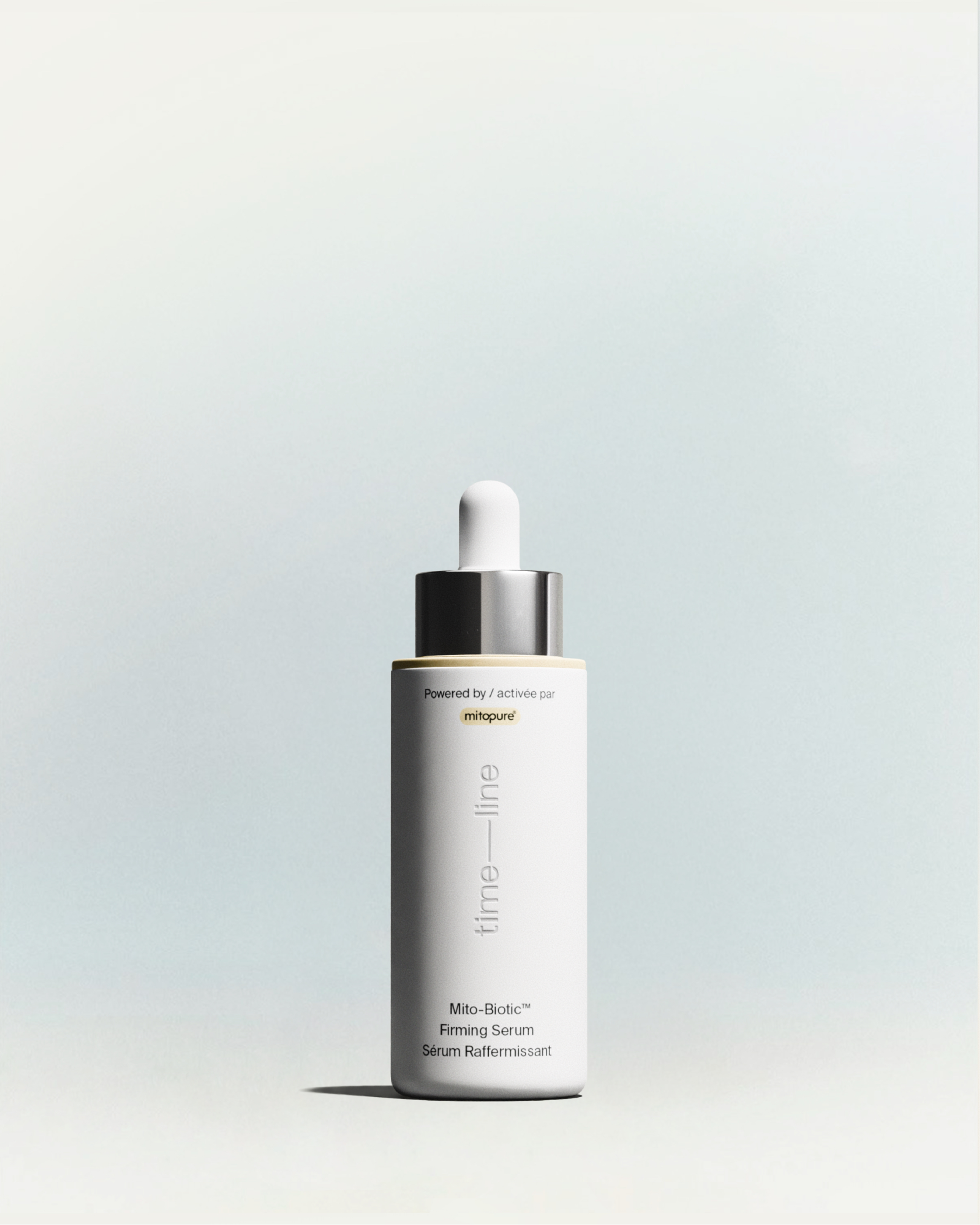
Mitopure Firming Serum
4.8 (1498) · 95% recommend
High-impact skin health treatment
In Summary: How Men Can Close the Longevity Gap
The growing longevity gap between men and women underscores the urgent need to focus on men's health to help close this disparity. With men currently living 5.8 years less than women, it’s crucial to take proactive steps to improve their healthspan.
While genetic and hormonal differences do play a role, lifestyle changes are within men's control and can significantly impact longevity. By adopting science-backed practices such as regular exercise, fostering social connections, eating a balanced diet rich in vegetables and healthy fats, managing stress, and prioritizing annual checkups, men can enhance their health and potentially extend their lifespans.
Authors
Written by
Health & Fitness Writer
Reviewed by
Director Science Communications
References
- ↑
Brandon W. Yan, Elizabeth Arias, Alan C. Geller, Donald R. Miller, Kenneth D. Kochanek, Howard K. Koh. Widening Gender Gap in Life Expectancy in the US, 2010-2021. JAMA Internal Medicine, 2023; DOI: 10.1001/jamainternmed.2023.6041 (http://dx.doi.org/10.1001/jamainternmed.2023.6041)
- ↑
Matthew N Ahmadi, Philip J Clare, Peter T Katzmarzyk, Borja del Pozo Cruz, I Min Lee, Emmanuel Stamatakis, Vigorous physical activity, incident heart disease, and cancer: how little is enough?, European Heart Journal, Volume 43, Issue 46, 7 December 2022, Pages 4801–4814, https://doi.org/10.1093/eurheartj/ehac572
- ↑
Lee DH, Rezende LFM, Joh HK, et al. Long-Term Leisure-Time Physical Activity Intensity and All-Cause and Cause-Specific Mortality: A Prospective Cohort of US Adults. Circulation. 2022;146(7):523-534. doi:10.1161/CIRCULATIONAHA.121.058162
- ↑
Ji, H, Gulati, M, Huang, T. et al. Sex Differences in Association of Physical Activity With All-Cause and Cardiovascular Mortality. J Am Coll Cardiol. 2024 Feb, 83 (8) 783–793.
https://doi.org/10.1016/j.jacc.2023.12.019 - ↑
Umapathi KK, Nguyen H. Cardiopulmonary Fitness. [Updated 2023 Jul 19]. In: StatPearls [Internet]. Treasure Island (FL): StatPearls Publishing; 2024 Jan-. Available from: https://www.ncbi.nlm.nih.gov/books/NBK560729/
- ↑
Barbara Strasser, Martin Burtscher. Survival of the fittest: VO2max, a key predictor of longevity?. Front. Biosci. (Landmark Ed) 2018, 23(8), 1505–1516. https://doi.org/10.2741/4657
- ↑
Kabbadj, K., Taiek, N., El Hjouji, W., El Karrouti, O., & El Hangouche, A. J. (2024). Cardiopulmonary Exercise Testing: Methodology, Interpretation, and Role in Exercise Prescription for Cardiac Rehabilitation. US cardiology, 18, e22. https://doi.org/10.15420/usc.2024.37
- ↑
Tabata, I. Tabata training: one of the most energetically effective high-intensity intermittent training methods. J Physiol Sci 69, 559–572 (2019). https://doi.org/10.1007/s12576-019-00676-7
- ↑
Singh, A., D'Amico, D., Andreux, P. A., Fouassier, A. M., Blanco-Bose, W., Evans, M., Aebischer, P., Auwerx, J., & Rinsch, C. (2022). Urolithin A improves muscle strength, exercise performance, and biomarkers of mitochondrial health in a randomized trial in middle-aged adults. Cell reports. Medicine, 3(5), 100633. https://doi.org/10.1016/j.xcrm.2022.100633
- ↑
Kim ES, Chopik WJ, Chen Y, Wilkinson R, VanderWeele TJ. United we thrive: friendship and subsequent physical, behavioural and psychosocial health in older adults (an outcome-wide longitudinal approach). Epidemiology and Psychiatric Sciences. 2023;32:e65. doi:10.1017/S204579602300077X
- ↑
Ansai N, Wambogo EA. Fruit and Vegetable Consumption Among Adults in the United States, 2015-2018. NCHS Data Brief. 2021;(397):1-8. https://www.cdc.gov/nchs/data/databriefs/db397-H.pdf
- ↑
Estruch, R., Ros, E., Salas-Salvadó, J., Covas, M. I., Corella, D., Arós, F., Gómez-Gracia, E., Ruiz-Gutiérrez, V., Fiol, M., Lapetra, J., Lamuela-Raventos, R. M., Serra-Majem, L., Pintó, X., Basora, J., Muñoz, M. A., Sorlí, J. V., Martínez, J. A., Fitó, M., Gea, A., Hernán, M. A., … PREDIMED Study Investigators (2018). Primary Prevention of Cardiovascular Disease with a Mediterranean Diet Supplemented with Extra-Virgin Olive Oil or Nuts. The New England journal of medicine, 378(25), e34. https://doi.org/10.1056/NEJMoa1800389
- ↑
McKenzie SK, Oliffe JL, Black A, Collings S. Men's Experiences of Mental Illness Stigma Across the Lifespan: A Scoping Review. Am J Mens Health. 2022;16(1):15579883221074789. doi:10.1177/15579883221074789
- ↑
Sagar-Ouriaghli I, Godfrey E, Bridge L, Meade L, Brown JSL. Improving Mental Health Service Utilization Among Men: A Systematic Review and Synthesis of Behavior Change Techniques Within Interventions Targeting Help-Seeking. Am J Mens Health. 2019;13(3):1557988319857009. doi:10.1177/1557988319857009
- ↑
Hull TD, Mahan K. A Study of Asynchronous Mobile-Enabled SMS Text Psychotherapy. Telemed J E Health. 2017;23(3):240-247. doi:10.1089/tmj.2016.0114
- ↑
Kivimäki, M., & Steptoe, A. (2018). Effects of stress on the development and progression of cardiovascular disease. Nature reviews. Cardiology, 15(4), 215–229. https://doi.org/10.1038/nrcardio.2017.189
- ↑
Bailey RL, Gahche JJ, Miller PE, Thomas PR, Dwyer JT. Why US Adults Use Dietary Supplements. JAMA Intern Med. 2013;173(5):355–361. doi:10.1001/jamainternmed.2013.2299
- ↑
Suruchi Mishra, Ph.D., Bryan Stierman, M.D., M.P.H., Jaime J. Gahche, Ph.D., M.P.H., and Nancy Potischman, Ph.D. Dietary Supplement Use Among Adults: United States, 2017–2018. Centers for Disease Control and Prevention. doi:10.15620/cdc:101131
- ↑
Singh, A., D'Amico, D., Andreux, P. A., Fouassier, A. M., Blanco-Bose, W., Evans, M., Aebischer, P., Auwerx, J., & Rinsch, C. (2022). Urolithin A improves muscle strength, exercise performance, and biomarkers of mitochondrial health in a randomized trial in middle-aged adults. Cell reports. Medicine, 3(5), 100633. https://doi.org/10.1016/j.xcrm.2022.100633
- ↑
Cleveland Clinic Survey: Men will do Almost Anything to Avoid Going to the Doctor. September 4, 2019. Accessed May 27 2024. https://newsroom.clevelandclinic.org/2019/09/04/cleveland-clinic-survey-men-will-do-almost-anything-to-avoid-going-to-the-doctor
- ↑
Cleveland Clinic Survey: Men will do Almost Anything to Avoid Going to the Doctor. September 4, 2019. Accessed May 27 2024. https://newsroom.clevelandclinic.org/2019/09/04/cleveland-clinic-survey-men-will-do-almost-anything-to-avoid-going-to-the-doctor
- ↑
Liss DT, Uchida T, Wilkes CL, Radakrishnan A, Linder JA. General Health Checks in Adult Primary Care: A Review. JAMA. 2021;325(22):2294-2306. doi:10.1001/jama.2021.6524
- ↑
Adams, G. J., Goldstein, E. K., Goldstein, B. G., Jarman, K. L., & Goldstein, A. O. (2021). Attitudes and Behaviors That Impact Skin Cancer Risk among Men. International journal of environmental research and public health, 18(19), 9989. https://doi.org/10.3390/ijerph18199989
- ↑
Conforti, C., & Zalaudek, I. (2021). Epidemiology and Risk Factors of Melanoma: A Review. Dermatology practical & conceptual, 11(Suppl 1), e2021161S. https://doi.org/10.5826/dpc.11S1a161S

·
Skincare·
Inside Timeline’s Lab: Meet Isha Rana

·
Nutrition·
Studies·