The Importance of Social Connections to Enhance Longevity
Chronic loneliness raises mortality risk as much as smoking. Here's what the clinical evidence shows, and 7 ways to build stronger connections.

What to know
Strong social connections significantly improve health and extend lifespan.
The negative effects of loneliness, which can be as harmful as smoking 15 cigarettes a day.
Loneliness can increase oxidative stress and mitochondrial dysfunction, accelerating aging and contributing to age-related diseases.
Engaging in group activities, exploring online communities, lifelong learning, and volunteering can help maintain an active social life.
Loneliness is a subjective experience.Dr. Robert Waldinger, Professor of Psychiatry at Harvard Medical School
Despite the apparent ease of maintaining social connections in today’s digital world, many individuals experience profound loneliness. Research finds that the effects of social isolation can be devastating for health and longevity[1]. The silver lining is, simply fostering and maintaining social connections can significantly improve health and extend lifespan! [2]
As loneliness becomes an ever-growing concern in today’s day and age, it becomes critical to distinguish between loneliness and solitude.

Effects of loneliness on longevity
We are social animals. Our minds and bodies require social relationships, cooperation, and communication to exist and thrive. Research has posed chronic loneliness as bad as smoking 15 cigarettes a day. [3]It increases the risk of developing conditions such as heart disease, stroke, and diabetes.
Social connections and mental health are also interrelated; loneliness is linked to a higher incidence of mental health issues, including depression, anxiety, and cognitive decline.[4]
Effects of loneliness on cellular health
Loneliness symptoms can extend to affecting us on the cellular level. Loneliness can increase emotional distress, manifesting within our cells as oxidative stress. This oxidative stress can damage our mitochondria, leading to mitochondrial dysfunction.[5]
When mitochondria are impaired, energy production declines, and oxidative damage increases, accelerating aging and contributing to numerous age-related diseases. By activating mitophagy, the crucial recycling and cleansing cellular process, supplements like Mitopure® can support mitochondrial function and mitigate some of these adverse effects, but they cannot substitute for the benefits of strong social connections.
Mitopure Softgels
4.5 (4707) · 95% recommend
The simplest form of Mitopure
How can a healthy social life help you increase lifespan
Maintaining an active social life has been scientifically proven to enhance health and longevity. People with strong social networks tend to live longer, healthier lives.
The benefits of an active social life on lifespan are also exemplified in Blue Zones, regions where people live significantly longer, healthier lives. In these areas, people tend to follow a “Loved Ones First” philosophy, prioritizing family and close relationships. Below are some of the benefits of strong social connections on overall health.[6]
- Reduced stress levels: Strong social connections can significantly lower stress levels, reducing the body's production of stress hormones like cortisol. Lower stress levels are associated with decreased risk of chronic diseases and improved overall health.
- Enhanced immune function: Engaging in social activities boosts the immune system by promoting positive emotions and reducing stress. A stronger immune system helps protect against infections and illnesses, contributing to a longer, healthier life.
- Improved mental health: An active social life helps foster a sense of belonging and purpose. Research shows that positive mental health is closely linked to better physical health and longevity.
- Better cardiovascular health: Social interactions can improve heart health by lowering blood pressure and reducing inflammation. These effects help decrease the risk of heart disease and stroke, leading to a longer lifespan.
- Increased physical activity: Social engagements often involve physical activities such as walking, dancing, or sports. Regular physical activity is essential for reducing the risk of chronic diseases.
While striving for a healthy social life, avoiding unhealthy relationships is still important, as not all social connections are beneficial. Unhealthy relationships can increase stress and negatively impact mental and physical health. Intentional solitude can often be better for overall health than staying in harmful relationships.
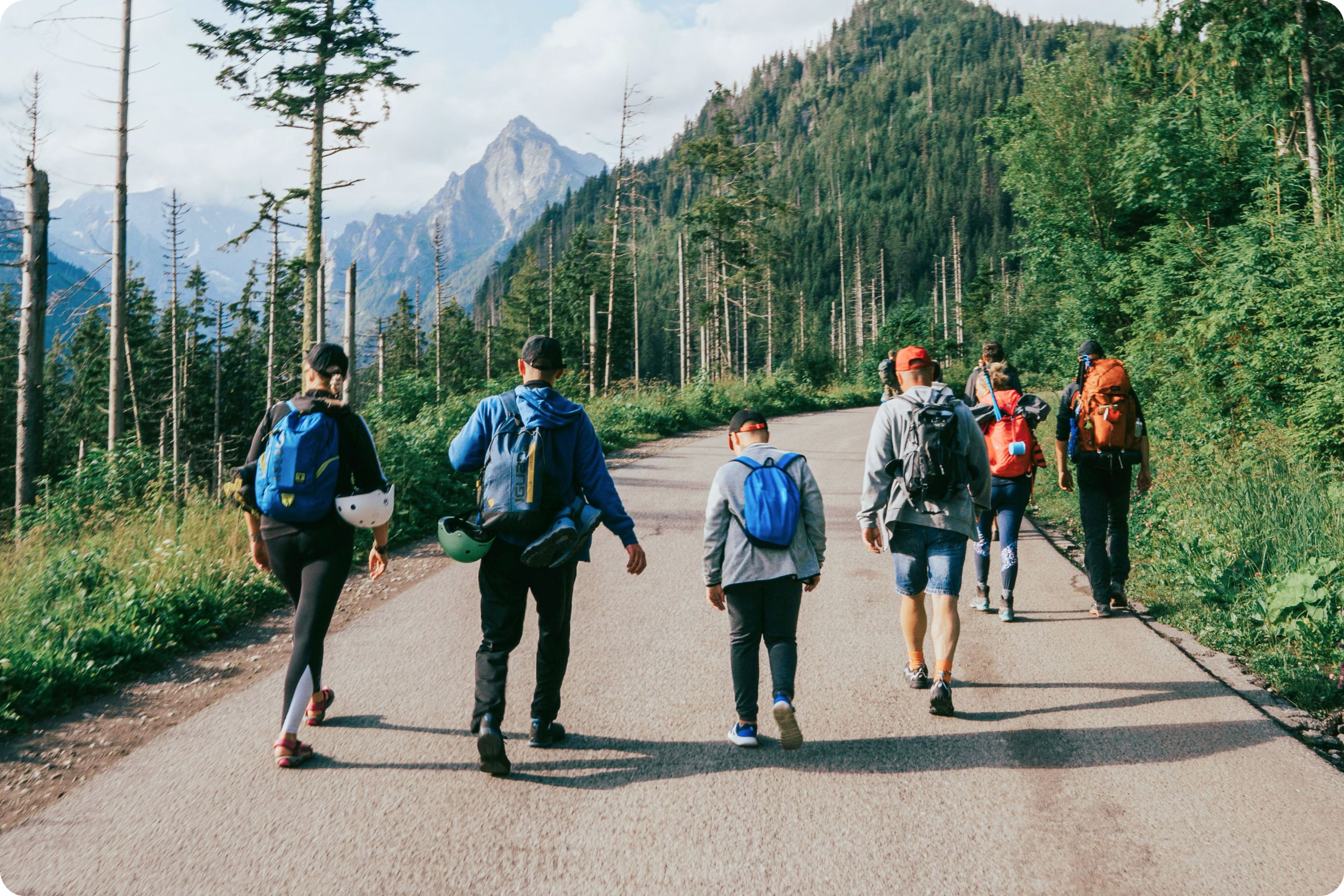
7 tips to have a healthy social life
The U.S. Department of Health and Human Services has reported that Americans are currently experiencing a loneliness epidemic.[7] Even with the prevalence of loneliness in America so high, social connections can still be fostered. Here are some practical and uplifting tips to help you enhance your social life:
1. Join sports groups and pursue hobbies
Engaging in group activities that interest you is an excellent way to meet new people and form meaningful connections. Whether joining a local sports team, participating in a book club, or attending a gardening class, shared interests provide a natural foundation for building friendships. Physical activities like yoga, swimming, or hiking not only promote physical health but also offer opportunities for a healthy social life.
2. Explore online options
If physical limitations make it challenging to join in-person activities, consider exploring online communities. Virtual groups, forums, and social media platforms can connect you with like-minded individuals from around the world. Online book clubs, cooking classes, or hobby groups can provide a sense of belonging and upgrade your social life without leaving the comfort of your home.
3. Enroll in a course or study
Lifelong learning is an excellent way to stay mentally active and meet new people. Consider enrolling in a course at a local community college, university, or online learning platform. Whether you're interested in learning a new language, mastering a musical instrument, or studying history, educational settings provide opportunities for social connections and intellectual stimulation.
4. Volunteer
Volunteering is a rewarding way to give back to your community while building social connections. Many organizations rely on volunteers, and there are numerous opportunities to get involved. Whether it's helping at a local food bank, mentoring youth, walking shelter dogs, or participating in community clean-up events, volunteering allows you to meet new people, develop a sense of purpose, and make a positive impact.
5. Attend social events
Make an effort to attend social events, such as parties, gatherings, and community celebrations. These events provide opportunities to meet new people and reinvigorate existing relationships so we can live social lives. Even if you feel shy or introverted, regularly attending social events can help you become more comfortable with social connections and improve your social life over time.
6. Stay connected with family and friends
Consistently staying in touch with family and friends is crucial for maintaining strong social bonds. Schedule regular phone calls, video chats, or in-person visits with your loved ones. Make an effort to remember birthdays, anniversaries, and other significant events (by adding them to your calendar), and show genuine interest in their lives. These gestures can go a long way in nurturing meaningful relationships and can reduce the effects of isolation.
7. Join a community center
Joining a community group can provide a sense of belonging and offer opportunities for social connections. Look for groups that align with your interests, such as gardening clubs, walking groups, or art classes, and participate actively to avoid the effects of social isolation.
The distinction between loneliness and solitude
Loneliness and solitude are often used interchangeably, but they represent different experiences. Loneliness is the sadness or distress felt when alone, often accompanied by a sense of isolation. In contrast, solitude is the state of being alone without feeling lonely, often chosen voluntarily for reflection and self-growth, offering enrichment and restoration.
While isolation is generally viewed negatively due to its association with emotional distress and adverse health effects, solitude can be a positive and beneficial experience that offers opportunities for self-improvement.
Wrapping up
The importance of social connections cannot be overstated in enhancing longevity and well-being. By nurturing healthy, non-toxic relationships, you can build a healthy social life, reduce stress, and improve your quality of life. While loneliness can profoundly impact longevity, remember being alone does not have to be lonely.
Chronic loneliness is a measurable risk to lifespan: across 90 prospective cohort studies covering 2.2 million adults, social isolation was associated with a 32% higher risk of death from any cause.[8]

How Does Loneliness Affect Your Lifespan?
Loneliness and social isolation are independent risk factors for early death, with effect sizes in the same range as established lifestyle risk factors. The evidence base is unusually large and unusually consistent.
We are social animals. Our minds and bodies require social relationships, cooperation, and communication to exist and thrive. Research has posed chronic loneliness as bad as smoking 15 cigarettes a day[9]. It increases the risk of developing conditions such as heart disease, stroke, and diabetes.
Social connections and mental health are also interrelated; loneliness is linked to a higher incidence of mental health issues, including depression, anxiety, and cognitive decline[10].
What does loneliness do to your cells?
Loneliness and social isolation leave a measurable signature in the blood, and that signature runs through inflammation, immune signaling and mitochondrial function. Loneliness can increase emotional distress, manifesting within our cells as oxidative stress. This oxidative stress can damage our mitochondria, leading to mitochondrial dysfunction[11].
The clearest evidence comes from a proteome-wide study of 42,062 UK Biobank participants measuring 2,920 plasma proteins. Proteins associated with social isolation and loneliness clustered in inflammation, antiviral response and complement pathways[12].
Can poor physical health make you lonely?
The relationship runs in both directions: reduced physical capacity predicts social isolation later, not only the other way around.
The strongest evidence comes from a cross-lagged analysis of 12,427 US adults aged 65 and over, followed across nine waves of the National Health and Aging Trends Study. The design was built specifically to separate the two directions of causation. It found statistically significant bidirectional associations: better physical performance predicted lower social isolation a year later, and greater social isolation predicted worse physical performance. The isolation-to-function path was the larger of the two, but the reverse path was real and measurable[13].
When physicality declines, invitations get declined, then eventually stop arriving. The network thins, and the thinner network then accelerates the physical decline, which is exactly the self-reinforcing loop the research detects. This is why maintaining physical functionality, like strength, remains a major priority.
If you're looking for support, consider Mitopure, a cutting-edge nutraceutical that supports mitochondrial and cellular health. In a randomized, placebo-controlled trial, sedentary middle-aged adults taking Mitopure increased muscle strength by up to 12% over four months without changing their exercise routine.* Consider Mitopure to promote a vibrant life from the inside out[14].
What are the Health Benefits of Strong Social Connections?
Strong social relationships are associated with lower risk across the major age-related disease categories, and the associations hold after adjustment for conventional risk factors. The evidence below is organised by outcome, with the strongest study for each.
Cardiovascular health. A systematic review and meta-analysis of 16 longitudinal datasets found poor social relationships associated with a 29% increase in incident coronary heart disease and a 32% increase in stroke.[15]
Metabolic health. In two large prospective cohorts totalling more than 430,000 adults in the UK and China, social isolation and loneliness were each associated with a higher incidence of type 2 diabetes[16].
Cognitive health. In the Framingham Heart Study cohort, loneliness was associated with elevated 10-year all-cause dementia risk and with earlier markers of neurocognitive vulnerability[17].
Mental health. A 12-year population-based cohort of 4,211 adults aged 50 and over found that higher baseline loneliness predicted greater depressive symptom severity across the full follow-up, independent of other social experiences[18].
While striving for a healthy social life, it is still important to avoid unhealthy relationships, as not all social connections are beneficial. Unhealthy relationships can increase stress and negatively impact mental and physical health. Intentional solitude can often be better for overall health than staying in harmful relationships.

How Can You Build a Healthier Social Life?
The U.S. Department of Health and Human Services has reported that Americans are currently experiencing a loneliness epidemic[19]. Even with the prevalence of loneliness in America so high, social connections can still be fostered. Here are seven practical and uplifting tips to help you enhance your social life:
1. Join sports groups and pursue hobbies
Engaging in group activities that interest you is an excellent way to meet new people and form meaningful connections. Whether joining a local sports team, participating in a book club, or attending a gardening class, shared interests provide a natural foundation for building friendships. Physical activities like yoga, swimming, or hiking not only promote physical health but also offer opportunities for a healthy social life.
2. Explore online options
If physical limitations make it challenging to join in-person activities, consider exploring online communities. Virtual groups, forums, and social media platforms can connect you with like-minded individuals from around the world. Online book clubs, cooking classes, or hobby groups can provide a sense of belonging and upgrade your social life without leaving the comfort of your home.

3. Enroll in a course or study
Lifelong learning is an excellent way to stay mentally active and meet new people. Consider enrolling in a course at a local community college, university, or online learning platform. Whether you're interested in learning a new language, mastering a musical instrument, or studying history, educational settings provide opportunities for social connections and intellectual stimulation.
4. Volunteer
Volunteering is a rewarding way to give back to your community while building social connections. Many organizations rely on volunteers, and there are numerous opportunities to get involved. Whether it's helping at a local food bank, mentoring youth, walking shelter dogs, or participating in community clean-up events, volunteering allows you to meet new people, develop a sense of purpose, and make a positive impact.
5. Attend social events
Make an effort to attend social events, such as parties, gatherings, and community celebrations. These events provide opportunities to meet new people and reinvigorate existing relationships so we can live social lives. Even if you feel shy or introverted, regularly attending social events can help you become more comfortable with social connections and improve your social life over time.
6. Stay connected with family and friends
Consistently staying in touch with family and friends is crucial for maintaining strong social bonds. Schedule regular phone calls, video chats, or in-person visits with your loved ones. Make an effort to remember birthdays, anniversaries, and other significant events (by adding them to your calendar), and show genuine interest in their lives. These gestures can go a long way in nurturing meaningful relationships and can reduce the effects of isolation.
7. Join a community center
Joining a community group can provide a sense of belonging and offer opportunities for social connections. Look for groups that align with your interests, such as gardening clubs, walking groups, or art classes, and participate actively to avoid the effects of social isolation.

What's the Difference Between Loneliness and Solitude?
Loneliness and solitude are often used interchangeably, but they represent different experiences. Loneliness is the sadness or distress felt when alone, often accompanied by a sense of isolation. In contrast, solitude is the state of being alone without feeling lonely, often chosen voluntarily for reflection and self-growth, offering enrichment and restoration.
While isolation is generally viewed negatively due to its association with emotional distress and adverse health effects, solitude can be a positive and beneficial experience that offers opportunities for self-improvement.
In Summary: How Do You Protect Longevity Against Loneliness?
The importance of social connections cannot be overstated in enhancing longevity and well-being. By nurturing healthy, non-toxic relationships, you can build a healthy social life, reduce stress, and improve your quality of life. While loneliness can profoundly impact longevity, remember being alone does not have to be lonely.
Authors

Freelance writer

Reviewed by
Director Science Communications
References
- ↑
Naito, R., McKee, M., Leong, D., Bangdiwala, S., Rangarajan, S., Islam, S., & Yusuf, S. (2023). Social isolation as a risk factor for all-cause mortality: Systematic review and meta-analysis of cohort studies. PloS one, 18(1), e0280308. https://doi.org/10.1371/journal.pone.0280308
- ↑
Umberson, D., & Montez, J. K. (2010). Social relationships and health: a flashpoint for health policy. Journal of health and social behavior, 51 Suppl(Suppl), S54–S66. https://doi.org/10.1177/0022146510383501
- ↑
Kidambi, N., & Lee, E. E. (2020). Insight into Potential Mechanisms Linking Loneliness and Cognitive Decline: Commentary on "Health Factors as Potential Mediator the Longitudinal Effect of Loneliness on General Cognitive Ability". The American journal of geriatric psychiatry : official journal of the American Association for Geriatric Psychiatry, 28(12), 1284–1286. https://doi.org/10.1016/j.jagp.2020.08.015
- ↑
Naito, R., McKee, M., Leong, D., Bangdiwala, S., Rangarajan, S., Islam, S., & Yusuf, S. (2023). Social isolation as a risk factor for all-cause mortality: Systematic review and meta-analysis of cohort studies. PloS one, 18(1), e0280308. https://doi.org/10.1371/journal.pone.0280308
- ↑
Picard, M., & McEwen, B. S. (2018). Psychological Stress and Mitochondria: A Conceptual Framework. Psychosomatic medicine, 80(2), 126–140. https://doi.org/10.1097/PSY.0000000000000544
- ↑
Umberson, D., & Montez, J. K. (2010). Social relationships and health: a flashpoint for health policy. Journal of health and social behavior, 51 Suppl(Suppl), S54–S66. https://doi.org/10.1177/0022146510383501
- ↑
"New Surgeon General Advisory Raises Alarm about the Devastating Impact of the Epidemic of Loneliness and Isolation in the United States." U.S. Department of Health and Human Services, 3 May 2023, www.hhs.gov/about/news/2023/05/03/new-surgeon-general-advisory-raises-alarm-about-devastating-impact-epidemic-loneliness-isolation-united-states.html (https://www.google.com/url?q=http://www.hhs.gov/about/news/2023/05/03/new-surgeon-general-advisory-raises-alarm-about-devastating-impact-epidemic-loneliness-isolation-united-states.html&sa=D&source=docs&ust=1723820473494931&usg=AOvVaw252IdMxfFCUYESx3I6jhwg). Accessed 26 Jul. 2024.
- ↑
Wang, F., Gao, Y., Han, Z., Yu, Y., Long, Z., Jiang, X., Wu, Y., Pei, B., Cao, Y., Ye, J., Wang, M., & Zhao, Y. (2023). A systematic review and meta-analysis of 90 cohort studies of social isolation, loneliness and mortality. Nature human behaviour, 7(8), 1307–1319. https://doi.org/10.1038/s41562-023-01617-6 (https://www.google.com/url?q=https://doi.org/10.1038/s41562-023-01617-6&sa=D&source=docs&ust=1786544209419661&usg=AOvVaw3b10rlOr_MQlprb9vg_fzJ)
- ↑
Kidambi, N., & Lee, E. E. (2020). Insight into Potential Mechanisms Linking Loneliness and Cognitive Decline: Commentary on "Health Factors as Potential Mediator the Longitudinal Effect of Loneliness on General Cognitive Ability". The American journal of geriatric psychiatry : official journal of the American Association for Geriatric Psychiatry, 28(12), 1284–1286. https://doi.org/10.1016/j.jagp.2020.08.015 (https://www.google.com/url?q=https://doi.org/10.1016/j.jagp.2020.08.015&sa=D&source=docs&ust=1786544209409232&usg=AOvVaw0Xoy7qtWL54pWMEKX9rVQx)
- ↑
Naito, R., McKee, M., Leong, D., Bangdiwala, S., Rangarajan, S., Islam, S., & Yusuf, S. (2023). Social isolation as a risk factor for all-cause mortality: Systematic review and meta-analysis of cohort studies. PloS one, 18(1), e0280308. https://doi.org/10.1371/journal.pone.0280308 (https://www.google.com/url?q=https://doi.org/10.1371/journal.pone.0280308&sa=D&source=docs&ust=1786544209410677&usg=AOvVaw0DJ1ExUUvgGRUlkf121BfM)
- ↑
Picard, M., & McEwen, B. S. (2018). Psychological Stress and Mitochondria: A Conceptual Framework. Psychosomatic medicine, 80(2), 126–140. https://doi.org/10.1097/PSY.0000000000000544 (https://www.google.com/url?q=https://doi.org/10.1097/PSY.0000000000000544&sa=D&source=docs&ust=1786544209412106&usg=AOvVaw39Zj9857eHN_VeGqK1nUob)
- ↑
Shen, C., Zhang, R., Yu, J., Sahakian, B. J., Cheng, W., & Feng, J. (2025). Plasma proteomic signatures of social isolation and loneliness associated with morbidity and mortality. Nature human behaviour, 9(3), 569–583. https://doi.org/10.1038/s41562-024-02078-1 (https://www.google.com/url?q=https://doi.org/10.1038/s41562-024-02078-1&sa=D&source=docs&ust=1786544209426439&usg=AOvVaw1PaKC106yi-JUVSe6ulet1)
- ↑
Shen, C., Zhang, R., Yu, J., Sahakian, B. J., Cheng, W., & Feng, J. (2025). Plasma proteomic signatures of social isolation and loneliness associated with morbidity and mortality. Nature human behaviour, 9(3), 569–583. https://doi.org/10.1038/s41562-024-02078-1 (https://www.google.com/url?q=https://doi.org/10.1038/s41562-024-02078-1&sa=D&source=docs&ust=1786544209416421&usg=AOvVaw176OU6qOY0GQZlUVLp5GQ7)
- ↑
Singh, A., D'Amico, D., Andreux, P. A., Fouassier, A. M., Blanco-Bose, W., Evans, M., Aebischer, P., Auwerx, J., & Rinsch, C. (2022). Urolithin A improves muscle strength, exercise performance, and biomarkers of mitochondrial health in a randomized trial in middle-aged adults. Cell reports. Medicine, 3(5), 100633. https://doi.org/10.1016/j.xcrm.2022.100633 (https://www.google.com/url?q=https://doi.org/10.1016/j.xcrm.2022.100633&sa=D&source=docs&ust=1786544209417856&usg=AOvVaw13c0iy7V_1opGGTvCWORNG)
- ↑
Valtorta, N. K., Kanaan, M., Gilbody, S., Ronzi, S., & Hanratty, B. (2016). Loneliness and social isolation as risk factors for coronary heart disease and stroke: systematic review and meta-analysis of longitudinal observational studies. Heart (British Cardiac Society), 102(13), 1009–1016. https://doi.org/10.1136/heartjnl-2015-308790 (https://www.google.com/url?q=https://doi.org/10.1136/heartjnl-2015-308790&sa=D&source=docs&ust=1786544209428304&usg=AOvVaw3tDFLE8xp8WcH743Z8uJ3B)
- ↑
Song, Y., Zhu, C., Shi, B., Song, C., Cui, K., Chang, Z., Gao, G., Jia, L., Fu, R., Dong, Q., Feng, L., Zhu, C., Yin, D., Manson, J. E., & Dou, K. (2023). Social isolation, loneliness, and incident type 2 diabetes mellitus: results from two large prospective cohorts in Europe and East Asia and Mendelian randomization. EClinicalMedicine, 64, 102236. https://doi.org/10.1016/j.eclinm.2023.102236 (https://www.google.com/url?q=https://doi.org/10.1016/j.eclinm.2023.102236&sa=D&source=docs&ust=1786544209421175&usg=AOvVaw2PiURnaAlaUi43mK_uaAp3)
- ↑
Salinas, J., Beiser, A. S., Samra, J. K., O'Donnell, A., DeCarli, C. S., Gonzales, M. M., Aparicio, H. J., & Seshadri, S. (2022). Association of Loneliness With 10-Year Dementia Risk and Early Markers of Vulnerability for Neurocognitive Decline. Neurology, 98(13), e1337–e1348. https://doi.org/10.1212/WNL.0000000000200039 (https://www.google.com/url?q=https://doi.org/10.1212/WNL.0000000000200039&sa=D&source=docs&ust=1786544209422940&usg=AOvVaw2cbMG08Duz4Ddh0xnQY2E-)
- ↑
Lee, S. L., Pearce, E., Ajnakina, O., Johnson, S., Lewis, G., Mann, F., Pitman, A., Solmi, F., Sommerlad, A., Steptoe, A., Tymoszuk, U., & Lewis, G. (2021). The association between loneliness and depressive symptoms among adults aged 50 years and older: a 12-year population-based cohort study. The lancet. Psychiatry, 8(1), 48–57. https://doi.org/10.1016/S2215-0366(20)30383-7 (https://www.google.com/url?q=https://doi.org/10.1016/S2215-0366(20)30383-7&sa=D&source=docs&ust=1786544209424957&usg=AOvVaw0Uq0dJibVcQoLOqyXKUpjk)
- ↑
"New Surgeon General Advisory Raises Alarm about the Devastating Impact of the Epidemic of Loneliness and Isolation in the United States." U.S. Department of Health and Human Services, 3 May 2023, www.hhs.gov/about/news/2023/05/03/new-surgeon-general-advisory-raises-alarm-about-devastating-impact-epidemic-loneliness-isolation-united-states.html (https://www.google.com/url?q=http://www.hhs.gov/about/news/2023/05/03/new-surgeon-general-advisory-raises-alarm-about-devastating-impact-epidemic-loneliness-isolation-united-states.html&sa=D&source=docs&ust=1786544209414734&usg=AOvVaw2ph1a4OgTmjioamcj9NE2C) (https://www.google.com/url?q=http://www.hhs.gov/about/news/2023/05/03/new-surgeon-general-advisory-raises-alarm-about-devastating-impact-epidemic-loneliness-isolation-united-states.html&sa=D&source=docs&ust=1723820473494931&usg=AOvVaw252IdMxfFCUYESx3I6jhwg (https://www.google.com/url?q=https://www.google.com/url?q%3Dhttp://www.hhs.gov/about/news/2023/05/03/new-surgeon-general-advisory-raises-alarm-about-devastating-impact-epidemic-loneliness-isolation-united-states.html%26sa%3DD%26source%3Ddocs%26ust%3D1723820473494931%26usg%3DAOvVaw252IdMxfFCUYESx3I6jhwg&sa=D&source=docs&ust=1786544209414868&usg=AOvVaw1eyNsiKt0Bi2eLTUkekJh4)). Accessed 26 Jul. 2024.


·
Nutrition·
Fake Urolithin A Supplements: How to Spot the Real Thing
·
Nutrition·
Studies·