Why You Feel Hungrier In Winter—And What To Do
Feeling hungrier during the winter? Explore the psychological craving for comfort foods that occurs and how to stay satisfied without overindulging.

What to know
Your body needs more energy in winter to stay warm, which can increase appetite.
Prioritizing protein and fiber can curb cravings and keep you satisfied longer.
Warm, nutrient-rich comfort foods like soups, stews, and veggie bowls can match your hunger and desire for cozy meals.
Scheduling regular meals, practicing mindful eating, and enjoying flavorful ingredients can prevent overeating during winter.
Regular sunlight exposure in winter boosts serotonin, supporting a balanced mood and healthier eating.
If you notice your appetite climbing as the winter months roll in, you’re definitely not alone. Feeling hungrier during winter is common, and you may find yourself eating more and managing more powerful psychological cravings for comfort foods. This seasonal shift is a completely normal and natural transition as winter approaches, and there are a few key reasons why it occurs.
Here’s why hunger rises in winter, and some simple tips and meals that will keep you energized and satisfied.
Why Do I Feel Hungrier During Winter?
It’s not just in your head. Research shows[1] our appetites increase in winter for several reasons, including our body’s need to stay warm and hormonal changes. Let’s take a deeper dive into why the cold weather makes us hungrier.
Your Body Needs More Energy to Stay Warm
Colder temperatures make your body work harder to stay warm, which naturally increases your daily energy use. In other words, the colder weather makes you burn more calories.[2] Because of this extra energy demand, your hunger cues can become stronger as your body seeks more calories and warm food to keep you comfortable in winter.
Cold weather can also trigger more obvious heat-generating responses like shivering, which naturally burns more calories[3] as your body tries to warm itself back up. When this happens, your body may signal stronger hunger cues to replace the extra energy being used.
Food Helps Generate Heat
In cold weather, your body works harder to maintain its core temperature, generating heat from food through a process called diet-induced thermogenesis. As a result, you may feel hungrier because your body is signaling for more fuel to stay warm and in equilibrium. This may explain why it’s so satisfying to sip on a hot, comforting beverage in the winter, as it helps keep your body temperature high.
Lower Serotonin Levels
Shorter daylight hours and less sunlight can reduce serotonin levels, your body’s feel-good brain chemical that controls both mood and appetite. When serotonin drops, you may notice stronger hunger cues[4] and have a harder time feeling satisfied after meals.
Increased Cravings for Warm Comfort Foods
You’re probably not imagining it; the cold weather may be sparking your desire for carb-heavy comfort foods like bread, pasta, and desserts. Winter weather can naturally increase psychological cravings for comfort foods as your brain seeks both physical warmth and emotional comfort to cope with reduced serotonin levels.
Recent research shows[5] that this often manifests as stronger cravings for familiar foods that feel cozy and satisfying during colder months, especially when you’re in the comfort of your own home.
Less Exercise and More Indoor Time
During the winter, we tend to spend more time indoors and move our bodies less, which may increase feelings of boredom or restlessness.[6] When that happens, food, especially nostalgic comfort foods, can become an easy source of stimulation that evokes emotional comfort.
How to Control Hunger During Winter
Even though the winter appetite surge is real, there are ways to manage it. Here are six ways to get a handle on your hunger and stay satisfied during winter.
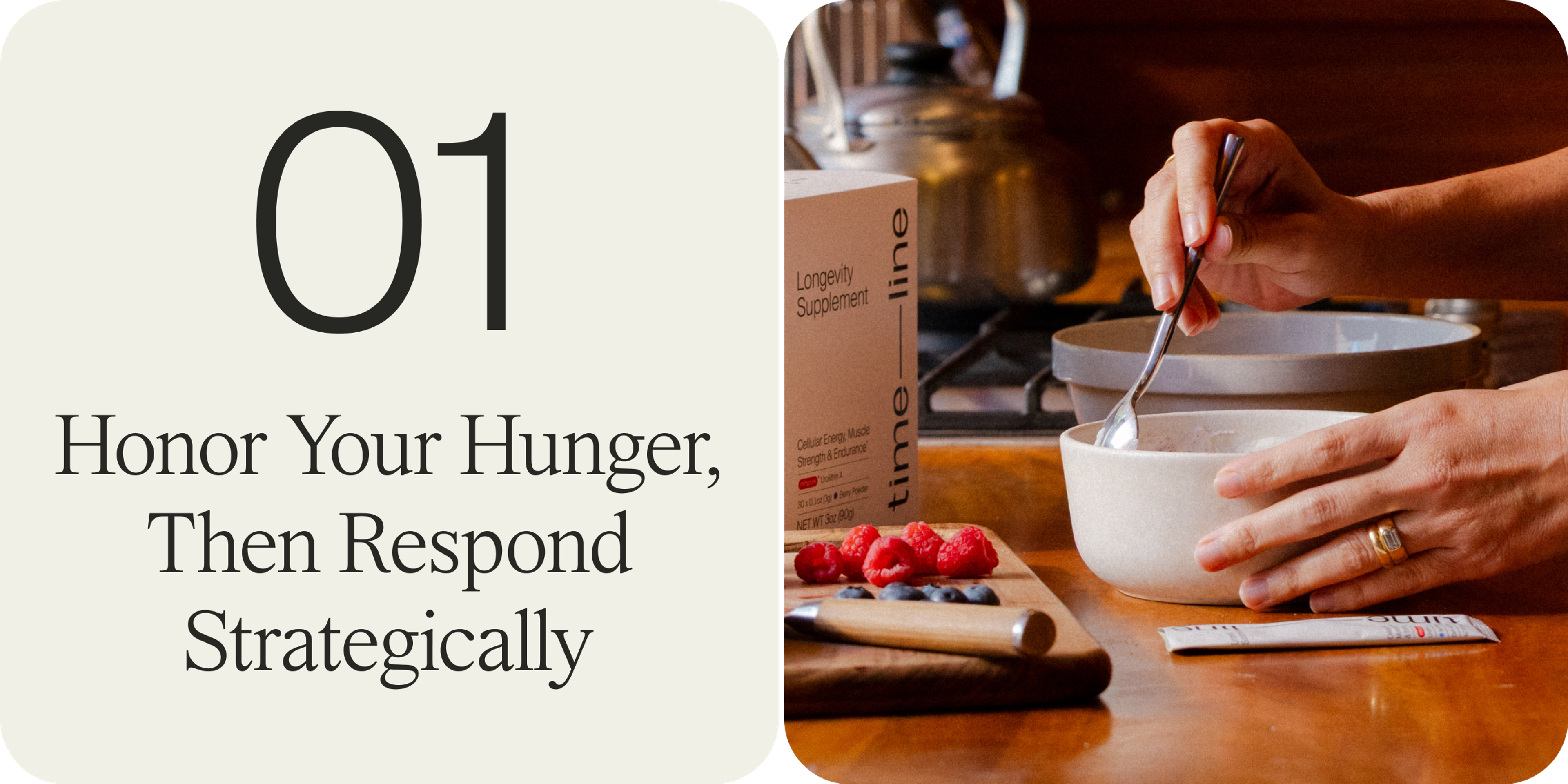
Instead of ignoring your hunger, honor it and allow your body to provide you with valuable information. From there, respond strategically by choosing meals and snacks that include a balance of protein, complex carbohydrates, fiber, and healthy fats so you feel more satisfied. Honoring your hunger with a warm cookie may taste good in the moment, but it likely won’t curb the true physical hunger you’re feeling for very long.
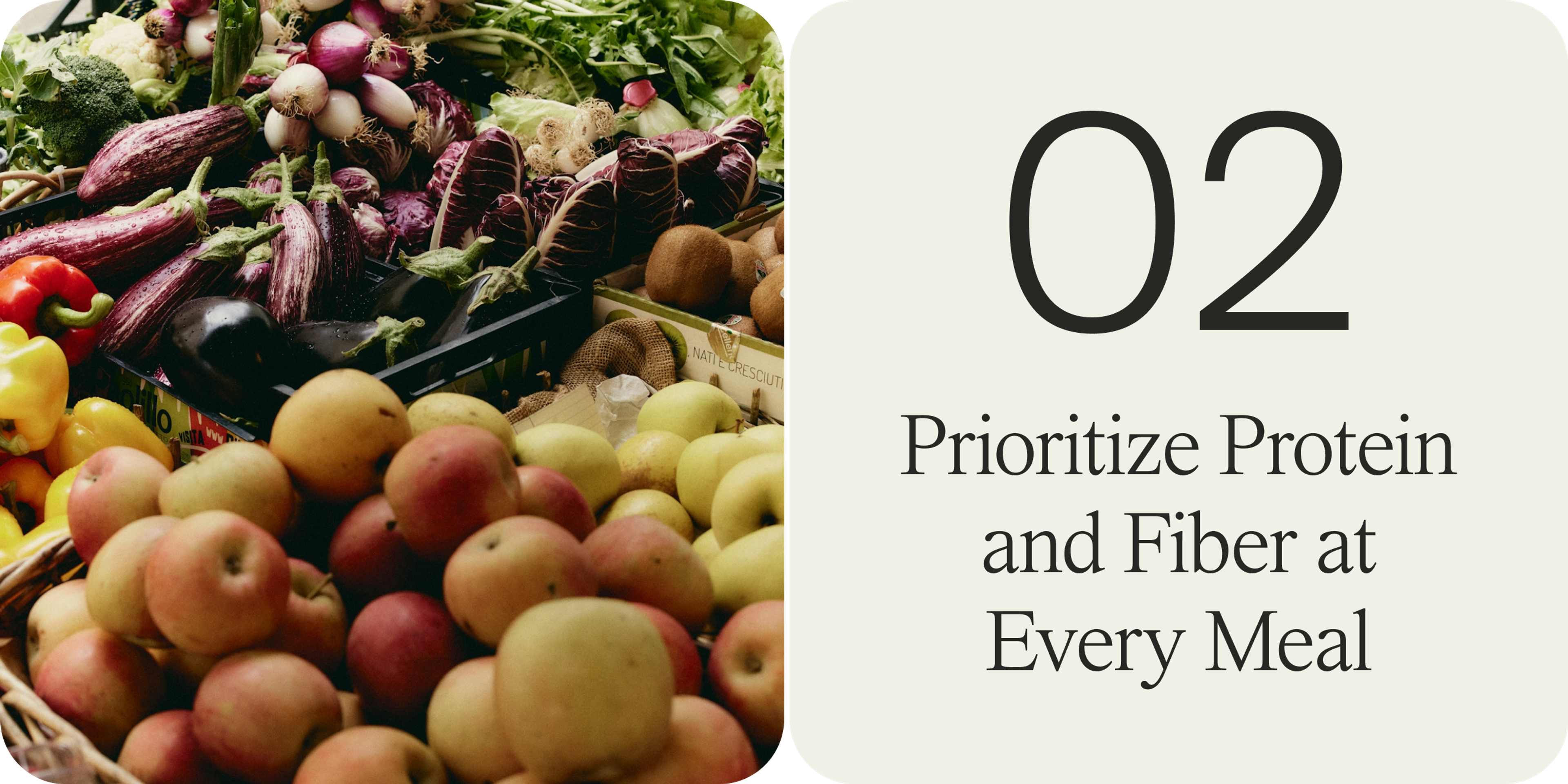
Prioritizing protein and fiber at each meal can help stabilize your blood sugar and keep you full for longer. These nutrients support steady energy and help prevent the constant snacking that often happens on colder, low-sunlight days. A few comforting options include a protein- and fiber-rich meal like turkey and bean chili or adding a handful of fiber- and protein-filled walnuts to your oatmeal.
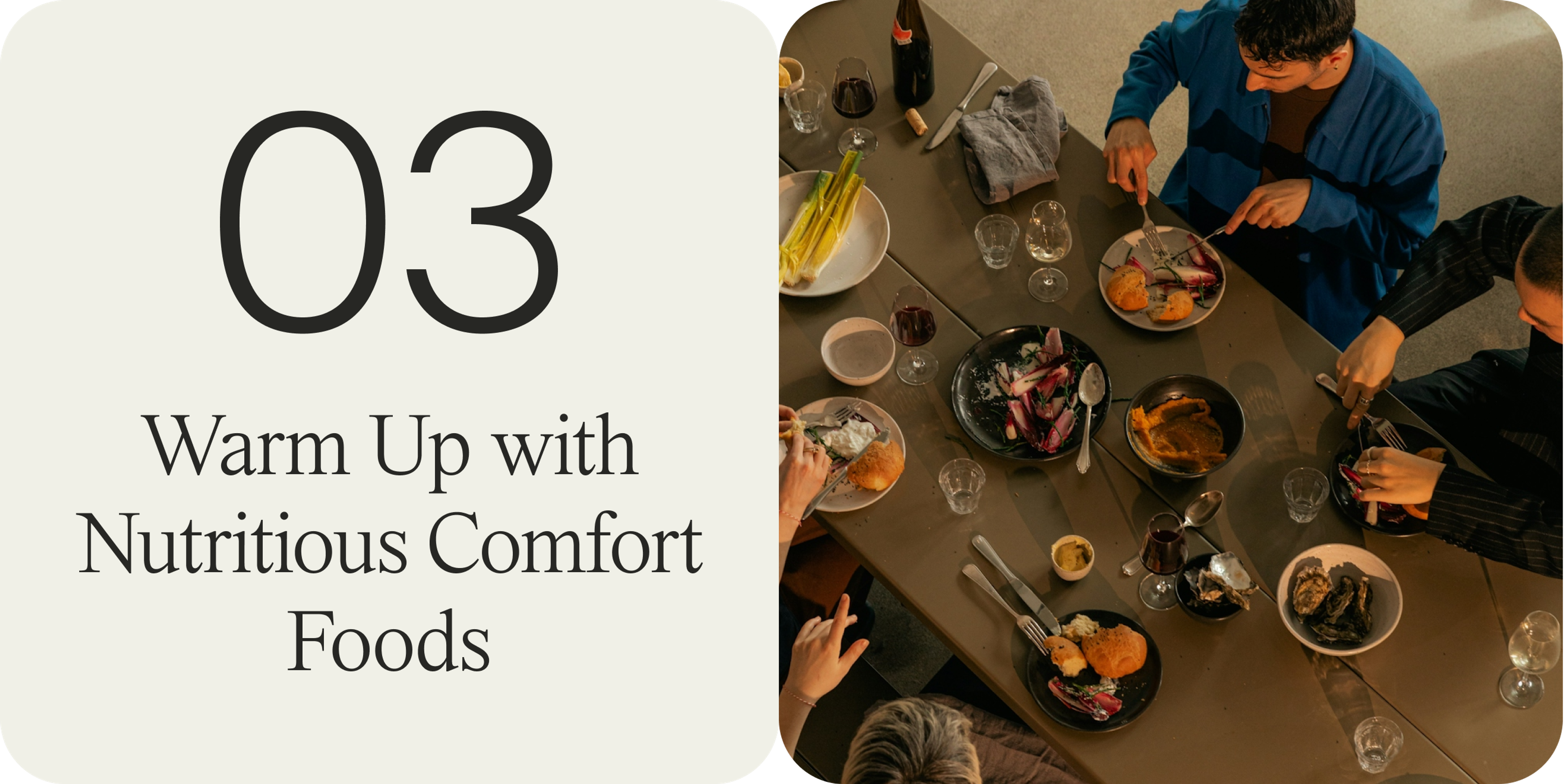
Lean into warm, nourishing comfort foods that feel cozy and satisfy your hunger cues. Think soups, stews, curries, and hearty veggie bowls; meals that offer the same satisfaction as traditional comfort foods but with ingredients that keep you energized and feeling good. These meals can also be delicious holiday options you can test out and enjoy with the whole family.

Eating regular, balanced meals helps prevent the extreme hunger swings that often feel stronger in the winter. Keeping a steady schedule gives your body consistent fuel, supports better mood and energy, and reduces the urge to overeat later in the day. Consistency is key with this, and regular meals should be consumed three times a day, paired with well-balanced snacks as needed.
Eating nutrient-rich meals can also support a more robust immune system during cold and flu season.

Adding ingredients you love, like herbs, spices, sauces, and cozy seasonings, can make healthy meals feel more comforting and satisfying. When your food tastes great, you’re less likely to keep grazing or searching for something “more,” which helps naturally curb winter overeating.

Just like shorter days can reduce serotonin levels, more sunlight exposure can increase serotonin. Even if it’s just for a short while, getting in as much sunlight as possible can make a meaningful difference in serotonin levels[7] to help regulate appetite, mood, and energy levels in the winter months.
Taking a brisk walk or simply standing near a bright window for 15–20 minutes each day gives your body light signals that support your circadian rhythm,[8] better sleep, and appetite control. If you’re hesitant to get outside when it’s cold, try bundling up in layers and keep your head, ears, and hands covered. Once you’re moving for 5-10 minutes, you’ll probably find yourself warming up pretty quickly. You may even end up loving those chilly morning strolls!
Bundling this habit into your seasonal routine can warm your mood and help you stay grounded, full, and satisfied during winter’s ups and downs.
Targeting Mitochondrial Health
If you’re someone who really hates the cold or feels sensitive to winter temperatures, the answer may lie in your cells. Early research suggests that mitochondrial health may play a role in how your body adapts to cold environments.
[9]
Mitopure® is a clinically validated Urolithin A supplement shown to support mitochondrial health. This postbiotic activates the body’s natural recycling process to help clear out old, worn-down mitochondria and replace them with healthier ones, which supports better cellular energy.
While a very small percentage of people naturally make enough Urolithin A from foods, most do not, which is why many people rely on a direct, clinically tested source[10].
Mitopure Softgels
4.5 (4815) · 95% recommend
The simplest form of Mitopure
A Cozy Longevity Recipe to Try
Here’s a nutrient-rich, comforting recipe to try this winter, filled with sweet pomegranates, roasted butternut squash, and hearty grains like farro.
Warm Pomegranate Winter Bowl
Ingredients:
- 1 cup cooked farro or quinoa
- ½ cup warm roasted butternut squash cubes
- ¼ cup pomegranate arils
- 1 tbsp chopped walnuts
- Drizzle of olive oil
- Pinch of cinnamon and sea salt
Instructions:
- Combine warm farro or quinoa with roasted squash in a bowl.
- Top with pomegranate arils and walnuts.
- Finish with a drizzle of olive oil and a sprinkle of cinnamon and salt.
Wrapping Up
Feeling more hungry during winter is a natural response to colder weather, reduced sunlight exposure, and shifts in your daily routine. By practicing simple habits like prioritizing protein and fiber, enjoying balanced meals, and getting sunlight whenever you can, you can give your body exactly what it needs to thrive through the season. These habits not only help stabilize appetite but also support a better mood, steadier energy, and a more balanced overall eating pattern.
And for an extra layer of cellular energy support, Mitopure can help keep you feeling strong all winter long.
Authors

Written by
Dietitian-Nutritionist, and Health Content Writer

Reviewed by
Director Science Communications
References
- ↑
Fujihira K, Takahashi M, Wang C, Hayashi N. Factors explaining seasonal variation in energy intake: a review. Front Nutr. 2023 Jul 21;10:1192223. doi: 10.3389/fnut.2023.1192223. PMID: 37545581; PMCID: PMC10400769.
- ↑
Popson MS, Dimri M, Borger J. Biochemistry, Heat and Calories. [Updated 2023 Jun 12]. In: StatPearls [Internet]. Treasure Island (FL): StatPearls Publishing; 2025 Jan-. Available from: https://www.ncbi.nlm.nih.gov/books/NBK538294/ (https://www.google.com/url?q=https://www.ncbi.nlm.nih.gov/books/NBK538294/&sa=D&source=docs&ust=1765303826340517&usg=AOvVaw102RoPS5rFafFRrEf6Ph2R)
- ↑
Popson MS, Dimri M, Borger J. Biochemistry, Heat and Calories. [Updated 2023 Jun 12]. In: StatPearls [Internet]. Treasure Island (FL): StatPearls Publishing; 2025 Jan-. Available from: https://www.ncbi.nlm.nih.gov/books/NBK538294/ (https://www.google.com/url?q=https://www.ncbi.nlm.nih.gov/books/NBK538294/&sa=D&source=docs&ust=1765303826339922&usg=AOvVaw0bunzc2G7VHgikHELcZ6g4)
- ↑
Conde, K., Fang, S. & Xu, Y. Unraveling the serotonin saga: from discovery to weight regulation and beyond - a comprehensive scientific review. Cell Biosci 13, 143 (2023). https://doi.org/10.1186/s13578-023-01091-7 (https://www.google.com/url?q=https://doi.org/10.1186/s13578-023-01091-7&sa=D&source=docs&ust=1765303826341041&usg=AOvVaw3bgFR3GMx2RhKXe1RWXsAy)
- ↑
Mathiesen SL, Moula-Stahli D, Byrne DV, Wang QJ. Leaving your comfort zone for healthier eating? Situational factors influence the desire to eat comfort food and simulated energy intake. Food Quality and Preference. 2022;100:104605. doi:https://doi.org/10.1016/j.foodqual.2022.104605 (https://www.google.com/url?q=https://doi.org/10.1016/j.foodqual.2022.104605&sa=D&source=docs&ust=1765303826342530&usg=AOvVaw2aSOAD5XHMuWDjQ_-sKG9N)
- ↑
Ahlich E, Rancourt D. Boredom proneness, interoception, and emotional eating. Appetite. 2022 Nov 1;178:106167. doi: 10.1016/j.appet.2022.106167. Epub 2022 Jul 14. PMID: 35843373.
- ↑
Fujihira K, Takahashi M, Wang C, Hayashi N. Factors explaining seasonal variation in energy intake: a review. Frontiers in Nutrition. 2023;10. doi:https://doi.org/10.3389/fnut.2023.1192223 (https://www.google.com/url?q=https://doi.org/10.3389/fnut.2023.1192223&sa=D&source=docs&ust=1765303826337562&usg=AOvVaw25NILj6iZrFZbw9jKRN-W_)
- ↑
de Menezes-Júnior LAA, Sabião TDS, Carraro JCC, Machado-Coelho GLL, Meireles AL. The role of sunlight in sleep regulation: analysis of morning, evening and late exposure. BMC Public Health. 2025;25(1):3362. Published 2025 Oct 6. doi:10.1186/s12889-025-24618-8
- ↑
Nishimura T, Motoi M, Niri Y, Hoshi Y, Kondo R, Watanuki S. Relationship between seasonal cold acclimatization and mtDNA haplogroup in Japanese. J Physiol Anthropol. 2012 Aug 28;31(1):22. doi: 10.1186/1880-6805-31-22. PMID: 22929588; PMCID: PMC3443646.
- ↑
Singh A, D'Amico D, Andreux PA, Dunngalvin G, Kern T, Blanco-Bose W, Auwerx J, Aebischer P, Rinsch C. Direct supplementation with Urolithin A overcomes limitations of dietary exposure and gut microbiome variability in healthy adults to achieve consistent levels across the population. Eur J Clin Nutr. 2022 Feb;76(2):297-308. doi: 10.1038/s41430-021-00950-1. Epub 2021 Jun 11. PMID: 34117375; PMCID: PMC8821002.