The Real Benefits of Walking — Is 10,000 Steps Necessary?
You don’t need 10,000 steps to see the results. Walking at any level can support your heart, weight, and mental well-being.
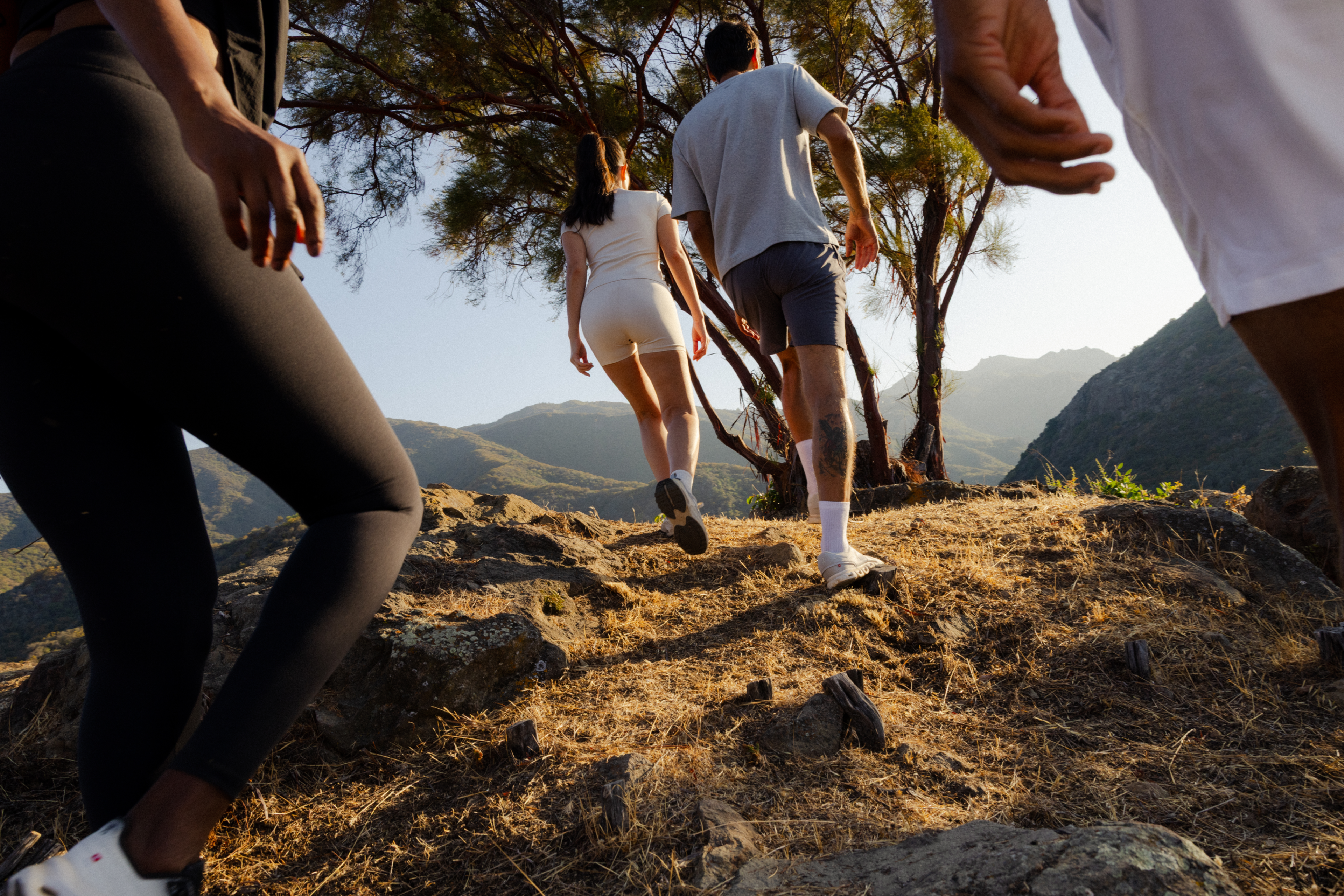
What to know
Research shows that meaningful health gains can begin with as little as 4,000 steps a few days a week, a drastically lower number than the original 10,000 steps per day recommendation.
Walking is one of the most powerful yet accessible forms of exercise, no special equipment or intense workout needed.
Small changes add up, such as walking after meals, pacing during calls, or moving around between tasks.
Coupling longevity hacks with tools like Mitopure can help keep both you and your cells healthy with age.
Is walking 10,000 steps a day still the secret to overall health? New research shows this may not be the case, and the entry point for walking benefits may be lower than we originally thought.
Walking is one of the simplest and most accessible ways to improve your health because you can do it anywhere, it’s free, and no intense routine is required. It’s an activity that benefits your body and mind at any age and fitness level, supporting everything from heart health to weight management to better sleep.
While 10,000 steps a day has been viewed as the “gold standard” for good health, newer research suggests you may not need to hit that number to see meaningful results. Let’s get into the science-backed benefits of walking, how many steps are truly needed, and simple ways to fit more steps into your day.
What Is The Recommended Number of Steps Per Day?
It’s important to know that the goal of 10,000 steps a day actually started as a marketing slogan, not a scientific standard. In the 1960s, a Japanese company released a pedometer called the manpo-kei, meaning “10,000 steps meter,” and that number simply caught on.
How many miles is 10,000 steps? On average, this equals roughly 5 miles,[1] depending on your stride length and pace.
While 10,000 steps is still a great goal for many people, a new study published in the British Journal of Sports Medicine[2] suggested meaningful health benefits may occur with as little as 4,000 steps once or twice a week.
Current studies cite between 5000-8000 steps as the optimal range, with greater than 8,000 having diminishing returns,Dr. Milica McDowell, PT, MPT, DPT, an orthopedic physical therapist and AVP of Education at US Physical Therapy
McDowell also says if you’re short on time and can only fit 7000 steps a day, you could spend additional time beyond that doing other activities (such as strength training) that are supportive of your health and a better use of that additional time.
If you’re short on time, picking up your pace, incorporating hills, or using light resistance like a weighted vest may help up the intensity of your walk. Even brief, leisurely 10-minute walks[3] after meals support blood sugar control and overall health. Ultimately, the best step goal is the one that fits your lifestyle and keeps you moving.
What Are The Benefits of Walking?
Walking is sometimes dismissed in the fitness world, with the focus being on higher intensity workouts, but the health benefits of walking are clear. These proven benefits of walking are the reasons it’s one of the most common exercises recommended by healthcare practitioners.

Improved heart health and blood pressure
Consistent walking supports cardiovascular health by improving circulation and lowering blood pressure. Studies have shown[4] that every additional 1,000 steps per day is associated with a measurable reduction in mortality risk, possibly by supporting a strong heart.
Supports metabolic health
Regular walking, even at slower speeds, can help regulate body weight[5] and enhance insulin sensitivity,[6] supporting better metabolic health and blood sugar control in those with diabetes.
Strengthens the musculoskeletal system
Brisk walking builds muscular strength,[7] supports bone density, and maintains joint mobility. These benefits work together to reduce the risk of injury, especially as risk increases with age.
Boosts mitochondrial health
As we age, the health of our mitochondria, the powerhouses of our cells, starts to decline. Walking is a form of exercise that can improve mitochondrial health. Studies have shown it may do this by reducing oxidative stress; the accumulation of unstable molecules damages healthy mitochondria over time.[8]
Burns calories
While many may not consider walking intense exercise, it does burn calories. Depending on your weight and walking speed, you can burn 100-200 calories[9] for every 30 minutes of walking, helping to support a healthy weight and balance out the calories you’re taking in.
Walking also keeps your body in the “fat-burning zone.” Research finds that slower walking can actually promote more fat burning in overweight subjects. This makes walking a powerful tool for improving body composition.[10]
Longevity and Disease Prevention
Research consistently shows that people who walk regularly have a lower overall risk[11] of chronic diseases like heart disease, diabetes, and certain cancers. Because of this, regular walkers also tend to live longer, healthier lives.

Walking isn’t just good for your body; it’s powerful for your mind, too.
Reduces stress
Even a short daily walk can help reduce stress, ease anxiety, and lift your mood.[12] So the next time you are tempted to grab some chocolate or a glass of wine when you’re feeling anxious, try stepping outside for a 10-minute walk instead.
Boosts focus and creativity
Walking can help clear your mind, improve attention, and enhance working memory. In one study, these cognitive benefits[13] were more profound in those who took their walk outside versus inside on the treadmill, even after just 15 minutes, suggesting a possible connection between nature and longevity.
Increases energy
If you’re ever feeling sluggish, consider a walk to get your blood flowing. A small study found that stair walking was more energizing than low-dose caffeine in sleep-deprived young women. The study compared the impact of 10 minutes of stair walking and 50mg of caffeine.[14] For reference, a cup of coffee typically has around 100mg of caffeine.
Enhances sleep quality and mood
A daily walk can also help you sleep better and feel calmer, possibly as a result of the endorphins released. Research[16] shows that those who walk more have a longer sleep duration, which comes with benefits[15] that extend beyond those achieved through exercise alone.
Additional benefits of walking
Gets you outside
One of the biggest motivators to walk is that it gets you outside. Walking outdoors lets you enjoy fresh air and connect with nature, which can lift your mood and lower stress.[18] Spending time outside offers mental and emotional benefits,[17] making your walks even more rewarding. Even when it’s cold, you can bundle up and add layers, and you’ll probably find you warm up pretty quickly.
Highly accessible
Walking is one of the most accessible forms of exercise as it’s free, flexible, and can be done almost anywhere. Its simplicity makes it easy to maintain as a lifelong habit, and it gives you an opportunity to explore new places if your neighborhood is not always walkable.
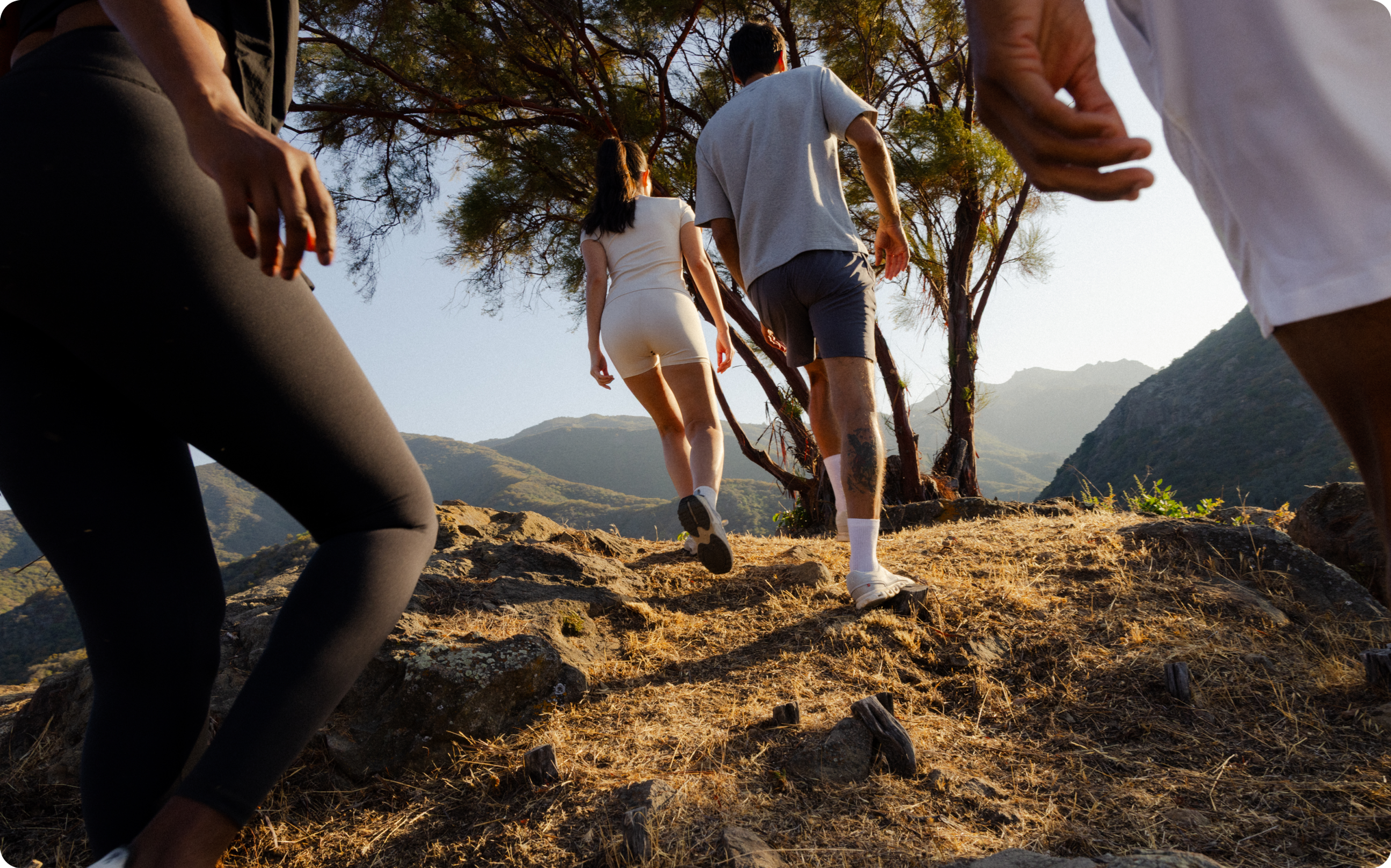
Tips for Getting More Steps In
Here are a few simple ways to weave walking into your everyday routine.
Take walking meetings, phone calls, or lunch breaks
“Walking is an amazing activity you can do while you do something else,” says Dr. McDowell. Squeeze in extra steps by walking during meetings or phone calls. Even a quick walk indoors or outside on your lunch break can boost your movement for the day.
Park farther or take the stairs
Park a little farther from your destination or opt for the stairs instead of the elevator; small choices like these add up to big step counts over time.
Walk after meals
Taking a brief walk after eating can help regulate blood sugar levels. Studies show that even a 10–15 minute stroll[19] can reduce post-meal spikes and support metabolic health. Plus, it just feels good to do this!
Use reminders or a step-tracking app
Phone reminders and step-tracking apps can help keep you accountable. Tracking your progress makes it easier to stay consistent and celebrate small wins, like meeting your daily step count by mid-afternoon.
Try short “movement snacks”
Dr. Mcdowell says breaking up walks adds up over the course of the day when you don’t have large chunks of free time. Try short “movement snacks” of 5–10 minutes every hour to keep your body active throughout the day whenever you feel the itch to get your blood flowing.
Walk the dog
Take your dog out for a walk and make it a little longer than usual. It’s good exercise for both of you and a great excuse to get some fresh air.
Get a walking pad
A walking pad can help you fit in more movement without leaving your workspace. Use it during calls, computer work, or even while watching TV.
Guided videos or walks
Walking videos or guided walks on your fitness watch can help you log more than 5,000 steps. They’re a fun, convenient way to stay active at home if you have a treadmill or if you want a more challenging, interesting walk that varies in intensity and speed.
Habit-stack your walks
Habit-stacking makes walking easy, such as walking while you drink your morning coffee, listen to a podcast, or wait for your kids at practice. Dr. McDowell says this habit-stacking hack can be powerful as it enables you to see walking as something that easily stacks onto activities you’re already doing, versus a separate thing you have to schedule time for. Listening to some music or calling a loved one during your stroll can also be motivating.
Find a walking buddy
Having a friend, coworker, or family member join you keeps walking social and consistent. It also adds another element of fun and something to look forward to.
Dr. McDowell says thinking of walking as something that is integrated into your life rather than as another thing to find time to squeeze in can dramatically shift your mindset and help you prioritize it.

Supporting an Active Lifestyle from the Inside Out
Walking is one of the easiest, most sustainable ways to improve your health. Whether you take a quick stroll after lunch, park a little farther from your destination, or pace during a phone call, consistency is key.
It’s clear that walking regularly can help support your health and improve your healthspan. To complement a healthy lifestyle, mitochondrial support supplements like Mitopure® offer an inside-out approach to wellness. Mitopure (Urolithin A) has been clinically shown to improve cellular energy and muscle strength, targeting your health at the source: your cells. When paired with daily movement like walking, it helps you build a stronger foundation for long-term vitality and well-being.
Mitopure Gummies
4.8 (2112) · 98% recommend
A strawberry-flavored dose of cellular energy
Authors

Written by
Dietitian-Nutritionist, and Health Content Writer

Reviewed by
Director Science Communications
References
- ↑
Does hitting 10,000 steps a day really make a difference? - Mayo Clinic Press. Mayo Clinic Press. Published August 22, 2024. https://mcpress.mayoclinic.org/nutrition-fitness/does-hitting-10000-steps-a-day-really-make-a-difference/ (https://www.google.com/url?q=https://mcpress.mayoclinic.org/nutrition-fitness/does-hitting-10000-steps-a-day-really-make-a-difference/&sa=D&source=docs&ust=1765254023643771&usg=AOvVaw3dEzExvQ7MyJOS2cDD-zv7)
- ↑
Rikuta Hamaya, Evenson KR, Lieberman D, Lee I-Min. Association between frequency of meeting daily step thresholds and all-cause mortality and cardiovascular disease in older women. British Journal of Sports Medicine. Published online October 21, 2025:bjsports-110311. doi:https://doi.org/10.1136/bjsports-2025-110311 (https://www.google.com/url?q=https://doi.org/10.1136/bjsports-2025-110311&sa=D&source=docs&ust=1765254023631725&usg=AOvVaw0MJflwp-Cfp7ekMN9sknkR)
- ↑
Hashimoto, K., Dora, K., Murakami, Y. et al. Positive impact of a 10-min walk immediately after glucose intake on postprandial glucose levels. Sci Rep 15, 22662 (2025). https://doi.org/10.1038/s41598-025-07312-y (https://www.google.com/url?q=https://doi.org/10.1038/s41598-025-07312-y&sa=D&source=docs&ust=1765254023642418&usg=AOvVaw0i9j2PAwL1tIcvTREWOVjR)
- ↑
Lee IM, Shiroma EJ, Kamada M, Bassett DR, Matthews CE, Buring JE. Association of Step Volume and Intensity With All-Cause Mortality in Older Women. JAMA Intern Med. 2019;179(8):1105-1112. doi:10.1001/jamainternmed.2019.0899
- ↑
La New JM, Borer KT. Effects of Walking Speed on Total and Regional Body Fat in Healthy Postmenopausal Women. Nutrients. 2022;14(3):627. Published 2022 Jan 31. doi:10.3390/nu14030627
- ↑
Syeda A, Battillo D, Visaria A, Malin SK. The Importance of Exercise for Glycemic Control in Type 2 Diabetes. American Journal of Medicine Open. 2023;9(9):100031. doi:https://doi.org/10.1016/j.ajmo.2023.100031 (https://www.google.com/url?q=https://doi.org/10.1016/j.ajmo.2023.100031&sa=D&source=docs&ust=1765254023637512&usg=AOvVaw1fOYpHZH3CkYA4GTWTCquG)
- ↑
Wang Y, Lu Y, Fang Z, et al. Brisk walking improves motor function and lower limb muscle strength in Chinese women aged 80 years and older. Sci Rep. 2024;14(1):7933. Published 2024 Apr 4. doi:10.1038/s41598-024-55925-6
- ↑
Sorriento, D., Di Vaia, E., & Iaccarino, G. (2021). Physical Exercise: A Novel Tool to Protect Mitochondrial Health. Frontiers in physiology, 12, 660068. https://doi.org/10.3389/fphys.2021.660068 (https://www.google.com/url?q=https://doi.org/10.3389/fphys.2021.660068&sa=D&source=docs&ust=1765254023647637&usg=AOvVaw2VLNi8By7TX_658Q7xuvFq)
- ↑
Harvard Health Publishing. Calories burned in 30 minutes of leisure and routine activities. Harvard Health. Published March 8, 2021. https://www.health.harvard.edu/diet-and-weight-loss/calories-burned-in-30-minutes-for-people-of-three-different-weights (https://www.google.com/url?q=https://www.health.harvard.edu/diet-and-weight-loss/calories-burned-in-30-minutes-for-people-of-three-different-weights&sa=D&source=docs&ust=1765254023646435&usg=AOvVaw3rU5U3pcjTznjPdjJzJ8p5)
- ↑
La New, J. M., & Borer, K. T. (2022). Effects of Walking Speed on Total and Regional Body Fat in Healthy Postmenopausal Women. Nutrients, 14(3), 627. https://doi.org/10.3390/nu14030627 (https://www.google.com/url?q=https://doi.org/10.3390/nu14030627&sa=D&source=docs&ust=1765254023648459&usg=AOvVaw2TzzR_uWJK-Ufn2HunbuNN)
- ↑
Paluch AE, Gabriel KP, Fulton JE, et al. Steps per Day and All-Cause Mortality in Middle-aged Adults in the Coronary Artery Risk Development in Young Adults Study. JAMA Netw Open. 2021;4(9):e2124516. doi:10.1001/jamanetworkopen.2021.24516
- ↑
Xu Z, Zheng X, Ding H, et al. The Effect of Walking on Depressive and Anxiety Symptoms: Systematic Review and Meta-Analysis. JMIR Public Health Surveill. 2024;10:e48355. Published 2024 Jul 23. doi:10.2196/48355
- ↑
Boere, K., Lloyd, K., Binsted, G. et al. Exercising is good for the brain but exercising outside is potentially better. Sci Rep 13, 1140 (2023). https://doi.org/10.1038/s41598-022-26093-2 (https://www.google.com/url?q=https://doi.org/10.1038/s41598-022-26093-2&sa=D&source=docs&ust=1765254023622735&usg=AOvVaw3X9Xq18o0x73RL_P0b3yif)
- ↑
Randolph, D. D., & O'Connor, P. J. (2017). Stair walking is more energizing than low dose caffeine in sleep deprived young women. Physiology & behavior, 174, 128–135. https://doi.org/10.1016/j.physbeh.2017.03.013 (https://www.google.com/url?q=https://doi.org/10.1016/j.physbeh.2017.03.013&sa=D&source=docs&ust=1765254023620787&usg=AOvVaw1FTsVajiTUOtknntkJB-Wm)
- ↑
Ramar K, Malhotra RK, Carden KA, et al. Sleep is essential to health: An american academy of sleep medicine position statement. Journal of Clinical Sleep Medicine. 2021;17(10):2115-2119. doi:https://doi.org/10.5664/jcsm.9476 (https://www.google.com/url?q=https://doi.org/10.5664/jcsm.9476&sa=D&source=docs&ust=1765254023624253&usg=AOvVaw1U0kCxAET5nV6oyxCi-BEE)
- ↑
Sullivan Bisson AN, Robinson SA, Lachman ME. Walk to a better night of sleep: testing the relationship between physical activity and sleep. Sleep Health. 2019;5(5):487-494. doi:10.1016/j.sleh.2019.06.003
- ↑
Jimenez MP, DeVille NV, Elliott EG, et al. Associations between Nature Exposure and Health: A Review of the Evidence. Int J Environ Res Public Health. 2021;18(9):4790. Published 2021 Apr 30. doi:10.3390/ijerph18094790
- ↑
Legrand FD, Jeandet P, Beaumont F, Polidori G. Effects of Outdoor Walking on Positive and Negative Affect: Nature Contact Makes a Big Difference. Front Behav Neurosci. 2022;16:901491. Published 2022 Jun 3. doi:10.3389/fnbeh.2022.901491
- ↑
Hashimoto, K., Dora, K., Murakami, Y. et al. Positive impact of a 10-min walk immediately after glucose intake on postprandial glucose levels. Sci Rep 15, 22662 (2025). https://doi.org/10.1038/s41598-025-07312-y (https://www.google.com/url?q=https://doi.org/10.1038/s41598-025-07312-y&sa=D&source=docs&ust=1765254023645025&usg=AOvVaw2cQjLYeR_YatbFRHDglZ9j)