Role of Antioxidants, Free Radicals and Cell Health in Aging
Wondering how antioxidants, free radicals and cellular health relate to healthy aging? Read on to understand how food and supplements play a role.
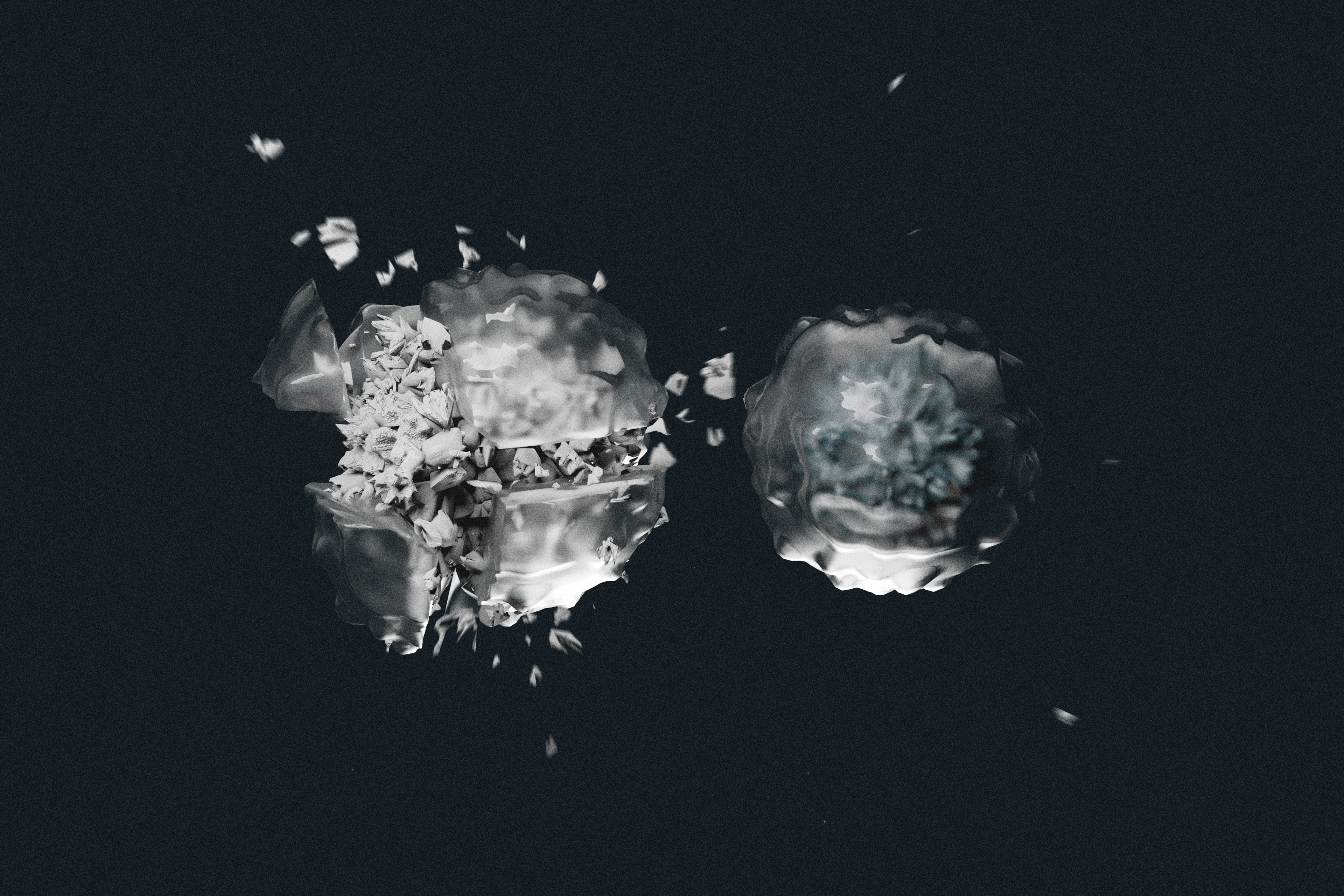
Antioxidants are compounds that counter the effects of free radicals in the body. Antioxidants can eliminate or neutralize free radicals and work to maintain the health of cells, which is of importance when it comes to healthy aging. These compounds may play a role in the prevention of diseases that result from the damage free radicals may cause.
You may have heard something about antioxidants as compounds found in superfoods; this article will give you lots more information about what foods have them and how they work in the body to promote healthy aging.
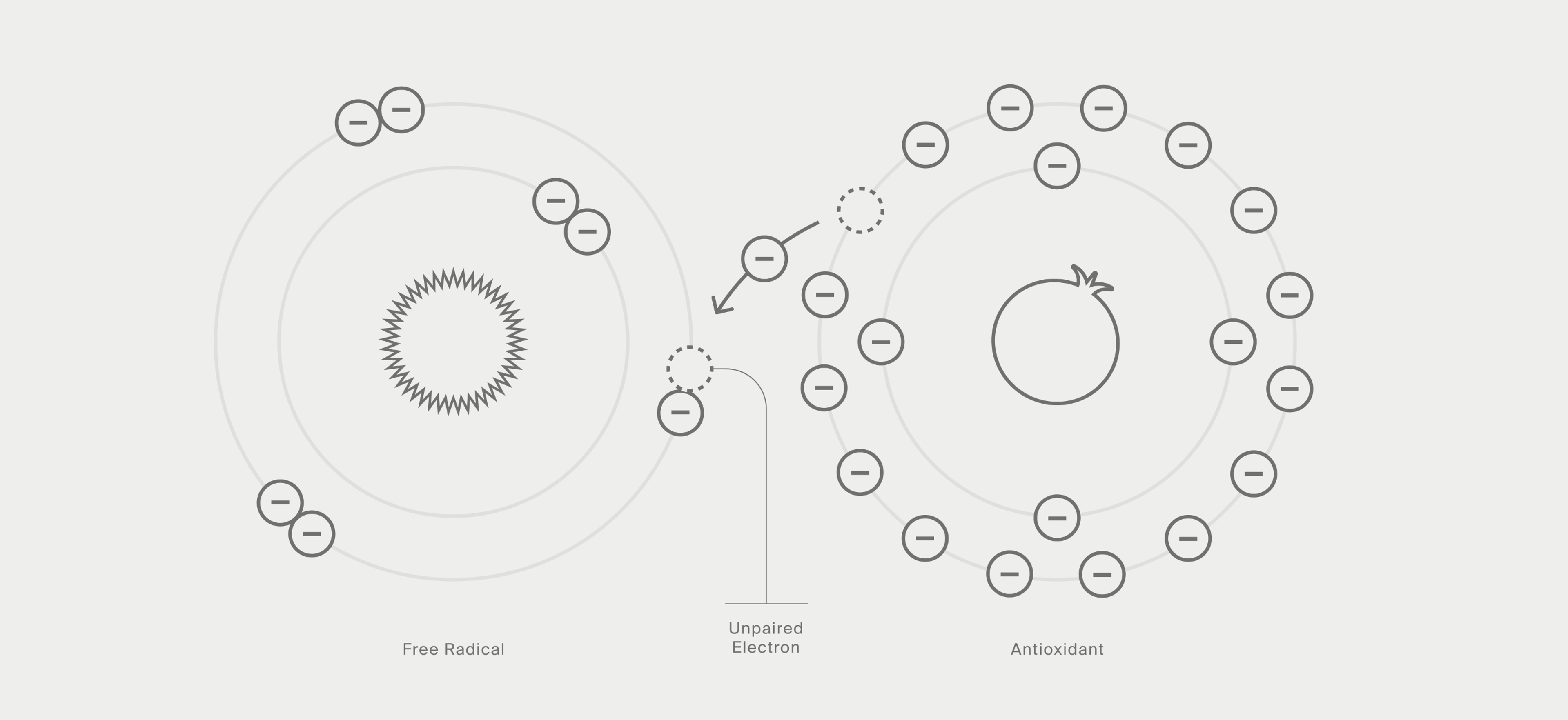
Free radicals are atoms with unpaired electrons, antioxidants have an abundance of these and they prevent free radicals from damaging our cells by giving away their electrons.
What Are Free Radicals?
Free radicals are formed with exposure to radiation, pollution in the environment, certain drugs, pesticides and other external sources. In addition, free radicals may be generated internally in response to everyday bodily processes.[1] They are continuously produced with the normal use of oxygen in the body.[2]
There are benefits free radicals provide in the body. One of these benefits relates to the body’s defense system, as free radicals help destroy pathogens to ward off disease.[3] Another beneficial function of free radicals is their role in cell functioning throughout the lifespan.[4]

However, free radicals, when in excess, may not be such a good thing. With build up in the body, they may damage cells and cause cell death. The buildup of free radicals may promote the development of several chronic conditions, such as:
- Diabetes
- Atherosclerosis
- Stroke
- Cancer
- Alzheimer’s disease[5]
Antioxidants provide defense against disease that may be caused by free radicals and work to protect cells. They work in various ways, such as by reducing the energy of free radicals and suppressing their formation.[6]
How Do Free Radicals Damage Cells?
Free radicals can damage various parts of cells, including cell membranes, proteins, and DNA.[7] They may also cause damage to mitochondria, the part of the cell responsible for generating energy. The damage caused by free radicals is termed “oxidative stress.”
There are different types of free radicals. Those that contain oxygen are termed “reactive oxygen species” (ROS).[8] Others containing nitrogen are termed “reactive nitrogen species” (RNS).[9]
In terms of how to fight free radical damage, antioxidants play an important role. Antioxidants may work to neutralize free radicals in the body and prevent cell damage.
How Do You Reverse Free Radical Damage?
Antioxidants are substances in food found in many different forms, such as vitamins and minerals, as well as polyphenols.[10] Examples of antioxidants are vitamins A, C, and E, the minerals selenium and manganese, as well as compounds such as flavonoids and phytoestrogens. There are also synthetic antioxidants, such as butylated hydroxyanisole (BHA) and butylated hydroxytoluene (BHT).[11]
In the body, antioxidants help protect cells from chemicals that may harm them, such as free radicals. Due to this, antioxidants may play a role in disease prevention.
More specifically, antioxidants stabilize free radicals by donating an electron to ROS, essentially “switching them off.”[12] They also work to destroy free radicals.[13] Consuming enough antioxidants in foods may play an important role in preventing free radical damage.[14]
Best Foods to Eliminate Free Radicals
Antioxidants are found in a wide variety of plant-source foods.[15] A study performed in 2010 focused on determining the antioxidant content of foods and supplements used worldwide, found that spices and herbs were among the most antioxidant-rich foods. Berries, fruits, nuts, chocolate, and vegetables also rich sources.[16]
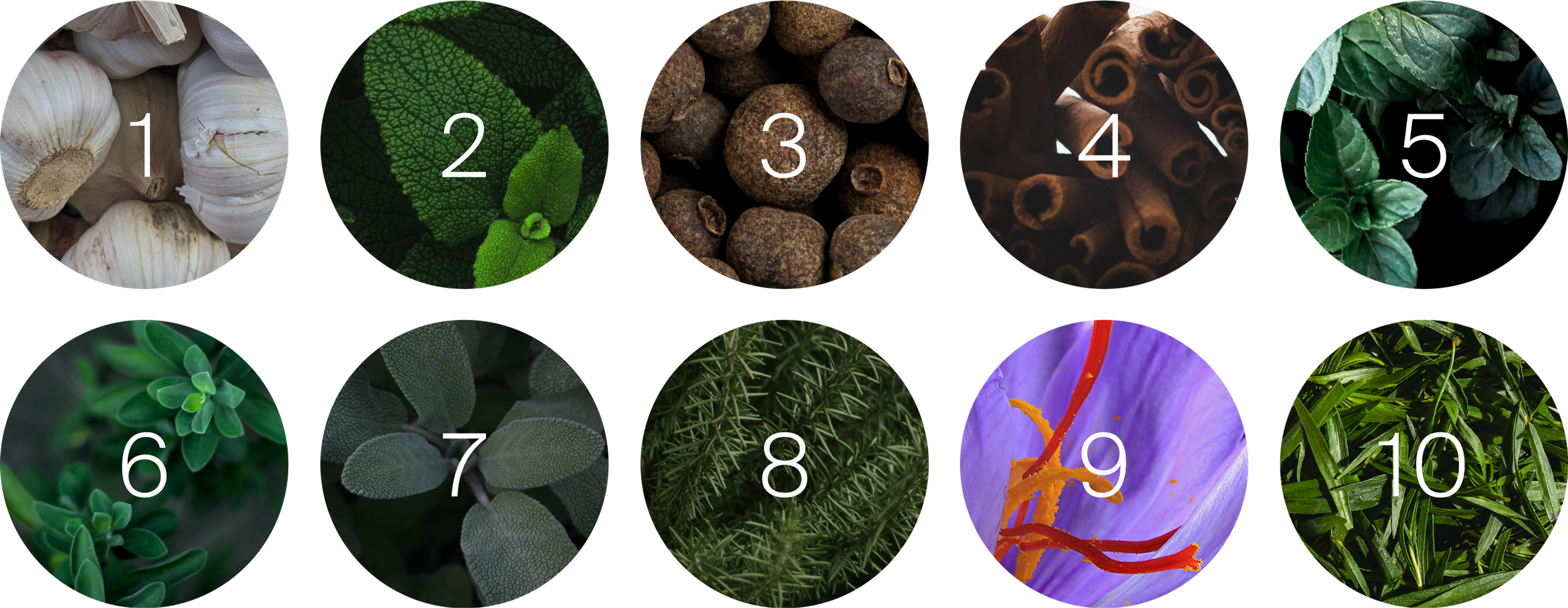
Regarding spices and herbs, there is a wide variation in antioxidant content. Cloves have been found to be particularly rich in antioxidants, along with:
- Peppermint
- Allspice
- Cinnamon
- Oregano
- Thyme
- Sage
- Rosemary
- Saffron
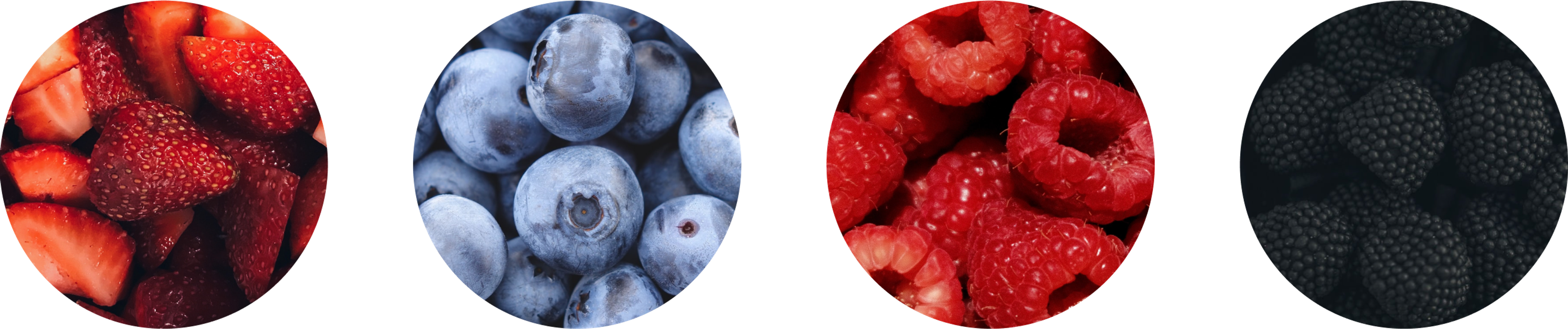
Fruits and vegetables are among the richest dietary sources of antioxidants, with berries standing out for their particularly high concentrations. Commonly consumed vegetables such as onions and spinach also provide a meaningful amount of these protective compounds.
Nuts and seeds contribute additional antioxidants that help defend against free radical damage, although their levels vary by type. Flaxseed, walnuts, pecans, and almonds are notable examples.
Whole grains and their flours also contain antioxidants, with different grains offering different compounds. Buckwheat, millet, and barley flours have been shown to be especially rich sources.
Chocolate products, including milk chocolate, dark chocolate, and baking cocoa, contain antioxidants as well. In general, antioxidant content increases as cocoa content rises, which is why dark chocolate contains significantly more antioxidants than white chocolate.
What Vitamins Help Fight Free Radicals?
Several vitamins function as antioxidants and help fight free radicals. Vitamins A, C, and E are examples of antioxidants that are found in food and also are commonly taken in supplement form.
Vitamin A results from the breakdown of β-carotene, which is found in many plant-source foods such as brightly-colored fruits and vegetables. Examples of foods containing β-carotene are black-eyed peas, spinach, bok choy, kale, carrots and sweet potato. Carotenoids, which include lycopene, lutein, and zeaxanthin, may act as antioxidants by neutralizing free radicals by binding to them.[17]
Vitamin C, or ascorbic acid, is found in large amounts in many plant-source foods. It is considered a powerful, non-toxic antioxidant naturally found in foods.[18] Ascorbic acid is able to stop the activity of free radicals by transferring a single electron.[19]
Vitamin E refers to a class of compounds called tocopherols, which are found in lots of different foods, including green leafy vegetables and fatty foods such as vegetable oils, seeds, nuts, and egg yolk. The tocopherols have antioxidant properties that help protect cells from damage from free radicals.[20]
Can You Repair Your Cells?
Cellular health is central to healthy aging. One theory of aging suggests that the aging process is driven by the gradual accumulation of irreversibly damaged cells. Over time, this cellular dysfunction is associated with the development of numerous chronic diseases.
There are several reasons why damaged cells accumulate with age. One contributing factor is an age-related decline in immune health. Damaged cells may also promote the formation of additional dysfunctional cells or evade immune detection altogether, preventing their removal from the body.[21]
Considering the health of mitochondria, the powerhouse of the cell, is key when it comes to healthy aging. Mitochondria are involved not only in energy production but also in the synthesis of building blocks for genetic material, cellular communication, and cell growth and death, among other functions. Steps you can take to keep mitochondria in shape include eating a healthy diet rich in vitamins and minerals and getting regular exercise.
Urolithin A for Mitochondrial Repair
Urolithin A, a compound produced in the gut from polyphenols found in foods such as pomegranates, berries, and nuts, also plays an important role in cellular health. Urolithin A helps remove damaged mitochondria, making way for newer, healthier ones. As only 40% of people can make enough of this, taking it as a supplement can help ensure you get enough.
Mitopure is a highly pure form of Urolithin A that supports cells’ ability to renew mitochondria during the aging process. This delivers much purer and stronger levels than diet alone. Research has shown that this may work to slow and even reverse the deterioration of the mitochondria with age.[22]
Mitopure Softgels
4.5 (4762) · 95% recommend
The simplest form of Mitopure
Summary
Cellular health is a key consideration when it comes to healthy aging. Free radicals, which are formed as part of the body’s processes and introduced from external sources, may cause damage to cells.
Antioxidants play an important role when it comes to countering the effects of free radicals and protecting cells from damage. These compounds are found widely in plant foods, and several vitamins function as antioxidants. Eating a healthy diet is one of the key ways to promote healthy aging.
When considering cellular health and particularly the health of the mitochondria, the powerhouse of the cell, Mitopure is a promising supplement for supporting healthy aging.
Authors
Professor of Nutrition & Scientific Writer
Reviewed by
Director Science Communications
References
- ↑
Lobo V, Patil A, Phatak A, Chandra N. Free radicals, antioxidants and functional foods: Impact on human health. Pharmacognosy reviews. 2010 Jul;4(8):118.
- ↑
Sharma GN, Gupta G, Sharma P. A comprehensive review of free radicals, antioxidants, and their relationship with human ailments. Critical Reviews™ in Eukaryotic Gene Expression. 2018;28(2).
- ↑
Pham-Huy LA, He H, Pham-Huy C. Free radicals, antioxidants in disease and health. International journal of biomedical science: IJBS. 2008 Jun;4(2):89.
- ↑
Shields HJ, Traa A, Van Raamsdonk JM. Beneficial and detrimental effects of reactive oxygen species on lifespan: A comprehensive review of comparative and experimental studies. Frontiers in Cell and Developmental Biology. 2021 Feb 11;9:181.
- ↑
Vatansever F, de Melo WC, Avci P, Vecchio D, Sadasivam M, Gupta A, Chandran R, Karimi M, Parizotto NA, Yin R, Tegos GP. Antimicrobial strategies centered around reactive oxygen species–bactericidal antibiotics, photodynamic therapy, and beyond. FEMS microbiology reviews. 2013 Nov 1;37(6):955-89.
- ↑
Sharma GN, Gupta G, Sharma P. A comprehensive review of free radicals, antioxidants, and their relationship with human ailments. Critical Reviews™ in Eukaryotic Gene Expression. 2018;28(2).
- ↑
Sharma GN, Gupta G, Sharma P. A comprehensive review of free radicals, antioxidants, and their relationship with human ailments. Critical Reviews™ in Eukaryotic Gene Expression. 2018;28(2).
- ↑
Weiss SJ, King GW, LoBuglio AF. Evidence for hydroxyl radical generation by human Monocytes. The Journal of Clinical Investigation. 1977 Aug 1;60(2):370-3.
- ↑
Thomas SR, Mohr D, Stocker R. Nitric oxide inhibits indoleamine 2, 3-dioxygenase activity in interferon-gamma primed mononuclear phagocytes. Journal of Biological Chemistry. 1994 May 20;269(20):14457-64.
- ↑
National Center for Complementary and Integrative Health (NCCIH). Antioxidants: In Depth. https://nccih.nih.gov/health/antioxidants/introduction.htm Accessed 5/17/22.
- ↑
Gulcin İ. Antioxidants and antioxidant methods: An updated overview. Archives of toxicology. 2020 Mar;94(3):651-715.
- ↑
Zeb A. Concept, mechanism, and applications of phenolic antioxidants in foods. Journal of Food Biochemistry. 2020 Sep;44(9):e13394.
- ↑
Pham-Huy LA, He H, Pham-Huy C. Free radicals, antioxidants in disease and health. International journal of biomedical science: IJBS. 2008 Jun;4(2):89.
- ↑
Gulcin İ. Antioxidants and antioxidant methods: An updated overview. Archives of toxicology. 2020 Mar;94(3):651-715.
- ↑
Gulcin İ. Antioxidants and antioxidant methods: An updated overview. Archives of toxicology. 2020 Mar;94(3):651-715.
- ↑
Carlsen MH, Halvorsen BL, Holte K, Bøhn SK, Dragland S, Sampson L, Willey C, Senoo H, Umezono Y, Sanada C, Barikmo I. The total antioxidant content of more than 3100 foods, beverages, spices, herbs and supplements used worldwide. Nutrition journal. 2010 Dec;9(1):1-1.
- ↑
Paiva SA, Russell RM. β-carotene and other carotenoids as antioxidants. Journal of the American college of nutrition. 1999 Oct 1;18(5):426-33.
- ↑
Weber P, Bendich A, Schalch W. Vitamin C and human health--a review of recent data relevant to human requirements. International journal for vitamin and nutrition research. Internationale Zeitschrift fur Vitamin-und Ernahrungsforschung. Journal international de vitaminologie et de nutrition. 1996 Jan 1;66(1):19-30.
- ↑
Gulcin İ. Antioxidants and antioxidant methods: An updated overview. Archives of toxicology. 2020 Mar;94(3):651-715.
- ↑
Gulcin İ. Antioxidants and antioxidant methods: An updated overview. Archives of toxicology. 2020 Mar;94(3):651-715.
- ↑
Lee, K., Flores, R., Jang, I., Saathoff, A., & Robbins, P. (2022). Immune Senescence, Immunosenescence and Aging. Frontiers in Aging, 3. https://doi.org/10.3389/fragi.2022.900028.
- ↑
Liu S, D’Amico D, Shankland E, Bhayana S, Garcia JM, Aebischer P, Rinsch C, Singh A, Marcinek DJ. Effect of Urolithin A Supplementation on Muscle Endurance and Mitochondrial Health in Older Adults: A Randomized Clinical Trial. JAMA Network Open. 2022 Jan 4;5(1):e2144279-.