How to Stimulate Cellular Renewal for Optimal Health
Revitalize your health with cellular renewal strategies for longevity, including diet, exercise, and supplements like Mitopure®.
What to know
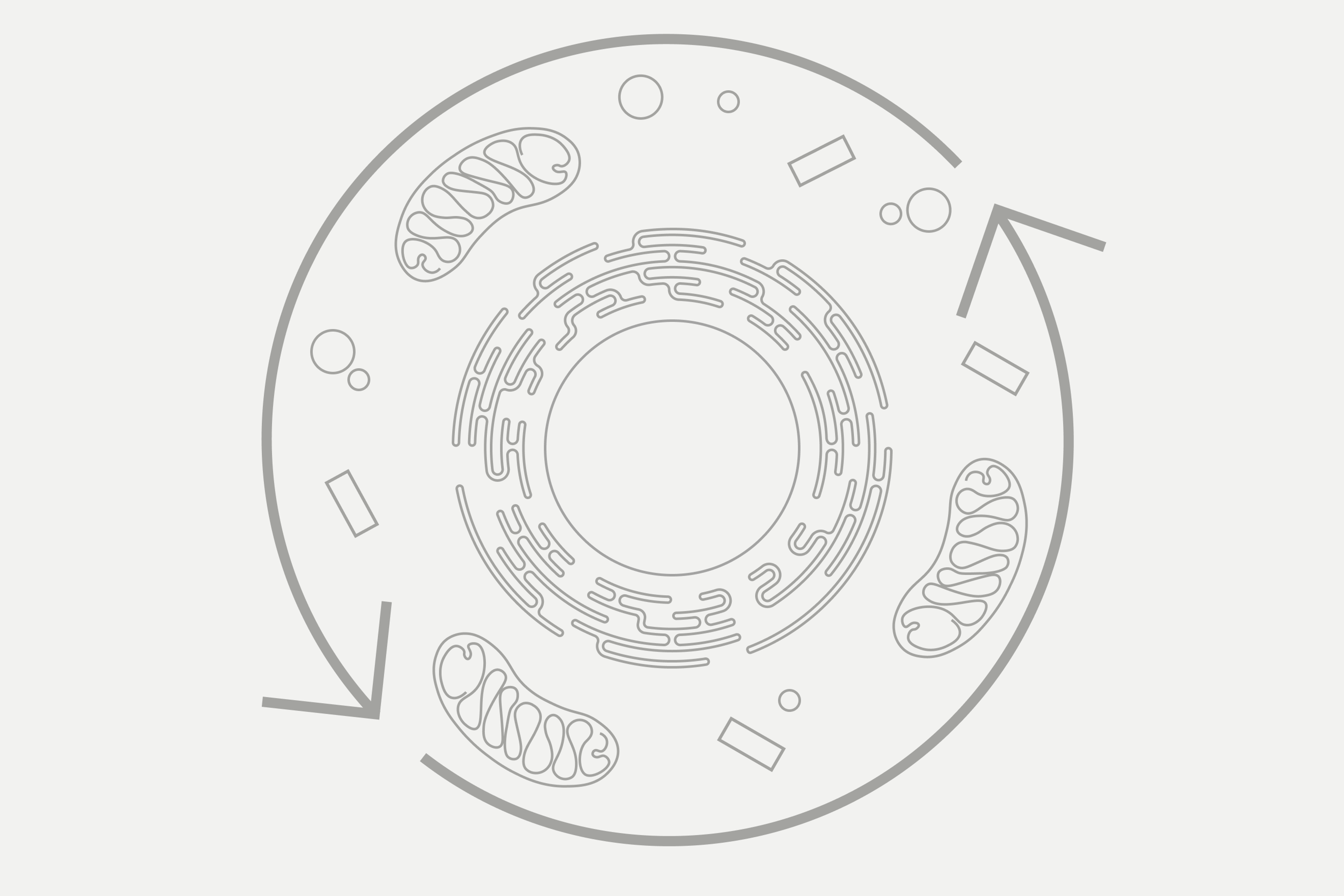
Cellular renewal is a crucial process for maintaining the optimal health and function of the body
Several lifestyle factors can negatively impact cellular renewal, including aging, poor sleep, a pro-inflammatory diet, lack of exercise, stress, and UV damage
Effective strategies to enhance cellular renewal include calorie restriction or fasting, polyphenol-rich foods, regular exercise, and supplements like Mitopure®
It’s a new year again, and like many of us, you’re probably looking for a fresh way to jumpstart your health habits. While this is an exciting time to focus on new beginnings, figuring out the best direction to renew your health can also feel overwhelming.
This year, we’re using this opportunity to commit to revitalizing our health at its core: our cells. This isn't about fleeting resolutions; it's about embarking on a personal journey towards a healthier you, now and in the future, through cellular renewal.
Renewing your cells to support whole-body health starts in the mitochondria, those small but mighty energy centers of our cells. Unfortunately, this cell renewal process becomes less efficient as we age.
But, there is good news backed by scientific evidence - the proper diet, exercise, and supplements can facilitate cellular renewal at any age. So sit back and soak in the small steps you can take to stimulate cellular renewal and (Re) New your health for the New Year.
What is Cellular Renewal?
Cellular renewal is a natural biological process in which old cells and their components are rejuvenated and replaced by new, healthy cellular parts. This process is critical for maintaining the health and optimal function of the body's organs and tissues.[1]
Over time, the cells in our body become senescent, or what are now commonly known as “zombie cells.” This means they grow old and no longer serve a beneficial purpose in the body. When this happens, these cells continue producing compounds that can trigger chronic inflammation, also called “inflammaging.”
Regularly optimizing cellular renewal can lead to an improved healthspan and the quality of our lived years.
Why Cellular Renewal Necessary for Health?
Cellular renewal is essential for nearly every aspect of health, so supporting this process should be a core goal of our daily health habits. Here are some of the key benefits you can expect by supporting cellular renewal:
Healthy aging
Cellular renewal is important for overall health and longevity. This process removes dead and damaged cells and regenerates them into more functional, healthy cells.
Skin health
As we age, our skin cells become less efficient at renewing themselves, increasing the risk of skin aging and thinning skin on the outside.[2]
Muscle strength and function
Cellular renewal also supports muscle strength and function. This is key as lean muscle mass and muscle strength are associated with improved longevity and overall health.[3]
Energy
Renewing your mitochondria improves their functionality, infusing you with more steady, reliable energy to do the things you need (and want) to do.
Immunity
Impaired cellular health can negatively impact immunity. Supporting more efficient cellular renewal can promote a healthy immune system.[4]
Neurological health and focus
As we age, the cells involved in brain health and cognitive function also begin to decline. Stimulating cellular renewal, however, can help delay this process and improve brain health and focus.[5]
Factors Affecting Cellular Renewal
Several lifestyle factors can impair cellular renewal, slowing or even disrupting the processes that support long-term health and longevity. Below are some of the most important ones to address.
- Inflammatory diet: A diet high in pro-inflammatory foods such as processed foods, alcohol, added sugar, and red meat can negatively impact the health of our cells.
- Poor sleep: Research shows poor sleep can increase cellular injury and delay repair.[6]
- Lack of exercise: A sedentary lifestyle and lack of exercise can depress the cellular renewal process, as your body will not work as efficiently overall.[7]
- Stress: Chronic stress can delay cellular renewal in the body.[8]
- UV damage/photodamage: Excess UV damage from the sun and subsequent photodamage can delay cellular renewal and accelerate aging. Even if you already have UV damage, there are still things you can do to reverse skin damage and promote more youthful skin.[9]
Strategies to Stimulate Cellular Renewal
The good news is that cellular renewal can respond to positive lifestyle changes at any age, no matter your current health status. By addressing a few key areas, you can help your body renew and function more effectively.
Calorie restriction and fasting
Both continuous daily calorie restriction and various fasting methods have been shown to successfully stimulate cellular renewal and promote longevity.
Calorie restriction
Continuous calorie restriction is a more traditional approach to reducing calorie intake to create a calorie deficit throughout an entire day of eating. The goal is to consume fewer calories while ensuring you get all the necessary nutrients for health.[10]
Studies show calorie restriction can slow the aging process by enhancing aspects of cellular repair. It is thought to do this by reducing oxidative stress and inflammation and stimulating autophagy, an essential cellular cleanup process.
Calorie restriction, when practiced correctly, can also improve metabolic health and reduce inflammation. [11]
It is critical that you still meet your nutritional needs, even if your calorie intake is low. It’s highly recommended that you work with a trained nutrition professional, such as a Registered Dietitian, to determine your calorie intake and whether you are meeting all your nutrition needs.
Fasting
Fasting can be approached in several ways, including intermittent fasting, time-restricted eating, and periodic fasting on certain days of the week. Regardless of the approach, all fasting methods effectively trigger autophagy, the cellular recycling process.
When you are fasting, cells have more opportunity and time to remove dysfunctional components and repair themselves. This can lead to cellular rejuvenation, enhanced repair processes, and optimized cell performance throughout the body.[12]
It’s important to remember that fasting and calorie restriction are not for everyone. While some people thrive on these protocols, others find them difficult to follow or struggle to reach their nutrient goals.
While both of these eating methods have been shown to be equally beneficial for longevity and long-term health, you need to find the eating style that works best for you.[13]
Polyphenol-rich diet
It’s easy to get caught up with calorie intake, but what you eat also plays just as important a role in cellular renewal as how much you eat. One of the best places to start is by prioritizing polyphenol-rich foods. Polyphenols are beneficial plant compounds with anti-aging, antioxidant, and anti-inflammatory properties.
The best polyphenol food sources include:
- Pomegranates
- Berries
- Artichokes
- Onion
- Spinach
- Olive oil
- Dark chocolate, but consume in moderation to minimize added sugar intake
- Spices like turmeric, cloves, peppermint, and star anise
- Green and black tea
- Red wine. While consuming wine in moderation is one way to consume polyphenols, it's not recommended to start if you don’t already drink it.
Incorporating these foods and beverages can help stimulate cellular repair.

Exercise
There are so many reasons why exercise is good for you, but its benefits truly start at the cellular level. Regularly engaging in endurance and strength training exercises helps fuel mitochondrial health and, thus, overall cellular health.
Endurance
Incorporating endurance training into your weekly routine helps increase muscular strength, stamina, and overall cellular health. Examples of endurance exercises include walking, running, biking, and rowing. You can build your endurance with practice and exercising in various [14]heart rate zones to challenge the body and build overall fitness.
Strength training
Resistance exercises include body weight, free weights, weight machines, or resistance bands. Combining resistance exercises with adequate dietary protein can maximize muscle health and cellular repair processes.
Supplements
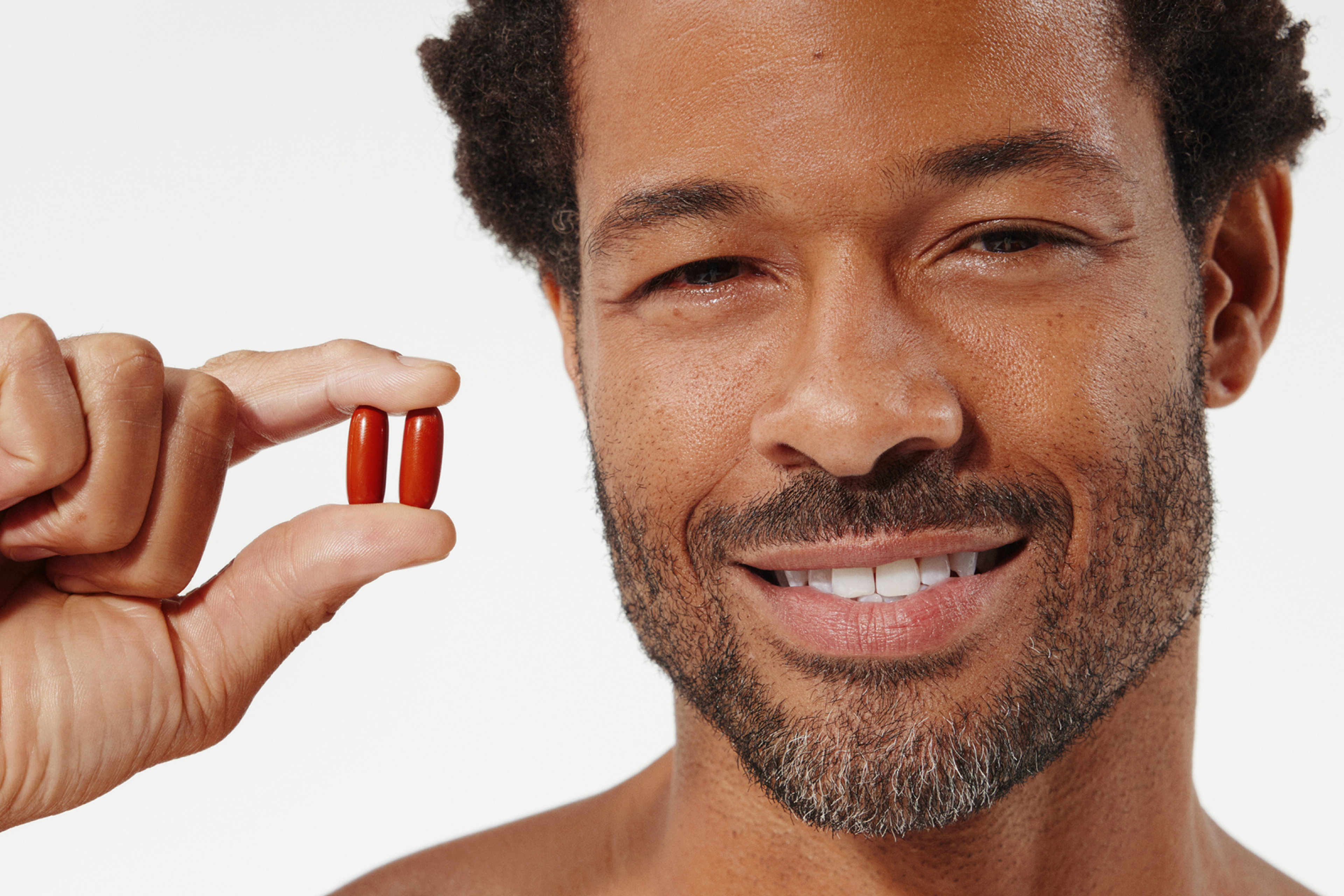
If you need an extra boost to your cellular health, adding a supplement like Mitopure® can help you make the most out of your lifestyle efforts.
Mitopure is a clinically validated dose of Urolithin A that has been shown to support cellular renewal.[15]
Nutrition supplements
Mitopure’s nutrition line offers a 500 mg dose of Urolithin A, which has been clinically shown to improve cellular energy and muscle health. Research shows that most people lack the gut bacteria needed to produce Urolithin A from food; thus, direct supplementation may be required.[16]
Mitopure Softgels
4.5 (4785) · 95% recommend
The simplest form of Mitopure
Skin health
As we age, our skin cells have less energy and are less efficient at renewing themselves from the inside, leading to visible aging on the outside.
Recent findings from randomized clinical trials show Urolithin A, present in Timeline’s Skincare Line, targets both intrinsic (internal) and extrinsic (external) causes of skin aging to reduce fine lines and protect from UV-related photodamage.
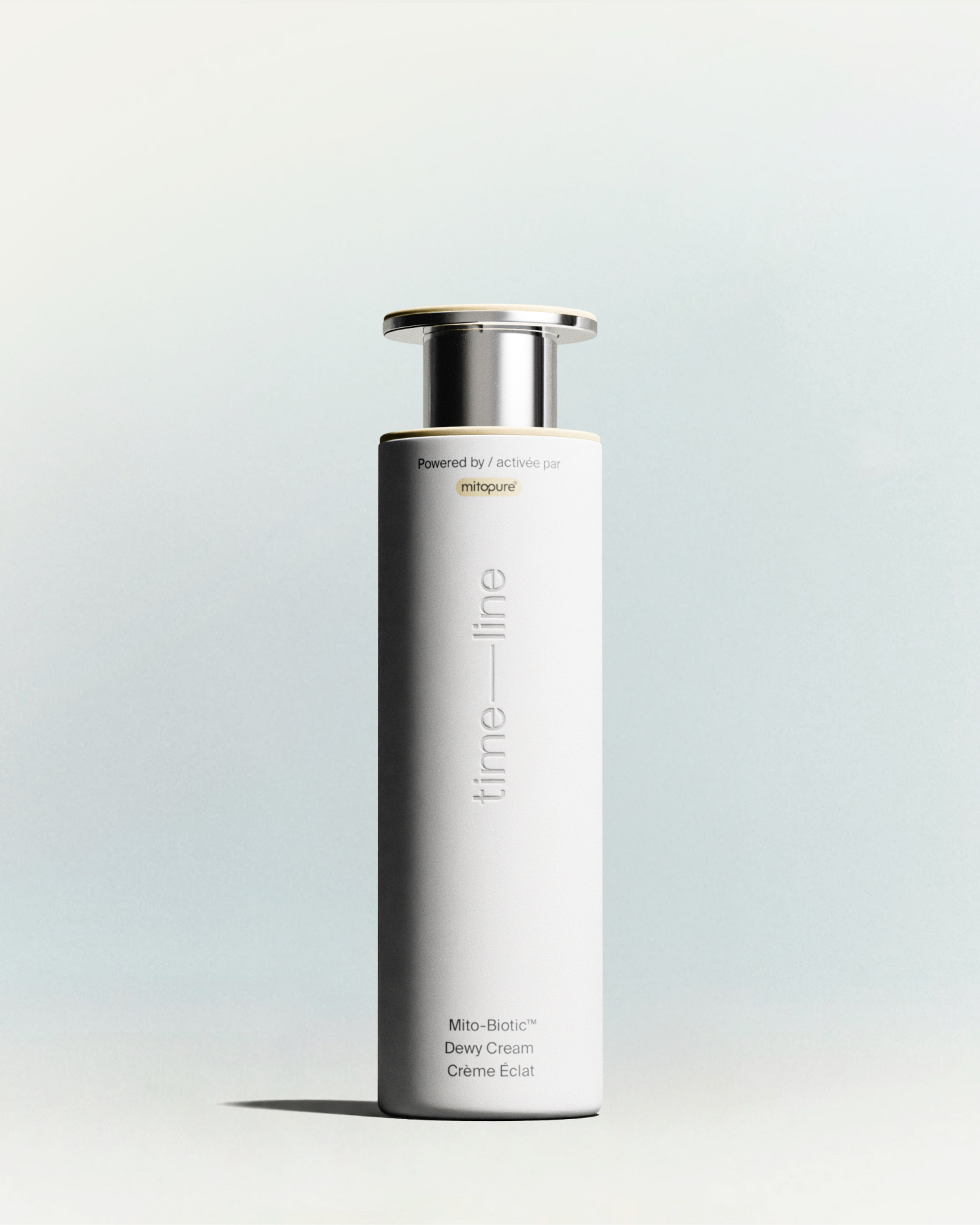
Mitopure Dewy Cream
4.7 (190) · 95% recommend
Barrier-preserving revitalizing moisturizer
Key Takeaways
Reach your New Year (Re)New You goals by supporting your body’s natural process of cellular renewal.
Everyday strategies to stimulate this process include calorie restriction, fasting, polyphenol-rich foods, endurance and weight training exercises, and supplements like Mitopure.
Authors
Dietitian-Nutritionist, and Health Content Writer

Reviewed by
Director Science Communications
References
- ↑
- Ji, S., Xiong, M., Chen, H. et al. Cellular rejuvenation: molecular mechanisms and potential therapeutic interventions for diseases. Sig Transduct Target Ther 8, 116 (2023). https://doi.org/10.1038/s41392-023-01343-5 (https://doi.org/10.1038/s41392-023-01343-5)
- ↑
Farage MA, Miller KW, Elsner P, Maibach HI. Characteristics of the Aging Skin. Adv Wound Care (New Rochelle). 2013;2(1):5-10. doi:10.1089/wound.2011.0356
- ↑
Anderson JE. Key concepts in muscle regeneration: muscle "cellular ecology" integrates a gestalt of cellular cross-talk, motility, and activity to remodel structure and restore function. Eur J Appl Physiol. 2022;122(2):273-300. doi:10.1007/s00421-021-04865-4
- ↑
- Haynes L. Aging of the Immune System: Research Challenges to Enhance the Health Span of Older Adults. Front Aging. 2020;1:602108. Published 2020 Oct 15. doi:10.3389/fragi.2020.602108
- ↑
Azam S, Haque ME, Balakrishnan R, Kim IS, Choi DK. The Ageing Brain: Molecular and Cellular Basis of Neurodegeneration. Front Cell Dev Biol. 2021;9:683459. Published 2021 Aug 13. doi:10.3389/fcell.2021.683459
- ↑
Everson CA, Henchen CJ, Szabo A, Hogg N. Cell injury and repair resulting from sleep loss and sleep recovery in laboratory rats. Sleep. 2014;37(12):1929-1940. Published 2014 Dec 1. doi:10.5665/sleep.4244
- ↑
Carapeto, Priscila Viana, and Cristina Aguayo-Mazzucato. “Effects of exercise on cellular and tissue aging.” Aging vol. 13,10 (2021): 14522-14543. doi:10.18632/aging.203051
- ↑
Johnstone SE, Baylin SB. Stress and the epigenetic landscape: a link to the pathobiology of human diseases?. Nat Rev Genet. 2010;11(11):806-812. doi:10.1038/nrg2881
- ↑
Rittié L, Fisher GJ. Natural and sun-induced aging of human skin. Cold Spring Harb Perspect Med. 2015;5(1):a015370. Published 2015 Jan 5. doi:10.1101/cshperspect.a015370
- ↑
Flanagan EW, Most J, Mey JT, Redman LM. Calorie Restriction and Aging in Humans. Annu Rev Nutr. 2020;40:105-133. doi:10.1146/annurev-nutr-122319-034601
- ↑
Napoleão A, Fernandes L, Miranda C, Marum AP. Effects of Calorie Restriction on Health Span and Insulin Resistance: Classic Calorie Restriction Diet vs. Ketosis-Inducing Diet. Nutrients. 2021;13(4):1302. Published 2021 Apr 15. doi:10.3390/nu13041302
- ↑
Pak M, Bozkurt S, Pınarbaşı A, Öz Arslan D, Aksungar FB. Effects of Prolonged Intermittent Fasting Model on Energy Metabolism and Mitochondrial Functions in Neurons. Ann Neurosci. 2022;29(1):21-31. doi:10.1177/09727531211072303
- ↑
Buono R, Longo VD. When Fasting Gets Tough, the Tough Immune Cells Get Going-or Die. Cell. 2019;178(5):1038-1040. doi:10.1016
- ↑
Zhang Q, Zhang C, Wang H, Ma Z, Liu D, Guan X, Liu Y, Fu Y, Cui M, Dong J. Intermittent Fasting versus Continuous Calorie Restriction: Which Is Better for Weight Loss? Nutrients. 2022; 14(9):1781. https://doi.org/10.3390/nu14091781
- ↑
Cory H, Passarelli S, Szeto J, Tamez M, Mattei J. The Role of Polyphenols in Human Health and Food Systems: A Mini-Review. Front Nutr. 2018;5:87. Published 2018 Sep 21. doi:10.3389/fnut.2018.00087
- ↑
Werner CM, Hecksteden A, Morsch A, et al. Differential effects of endurance, interval, and resistance training on telomerase activity and telomere length in a randomized, controlled study. Eur Heart J. 2019;40(1):34-46. doi:10.1093/eurheartj/ehy585