The 6 Best Vitamins and Nutrients for Energy After 65
Fatigue after 65 has two root causes: nutrient gaps and mitochondrial decline. See the 6 best vitamins for energy, backed by clinical evidence.
What to know
Occasional fatigue after 65 usually has several separate drivers, including decreased intake of key nutrients, reduced absorption of energy nutrients like B12, iron, and magnesium, and declining mitochondrial function.
Vitamin B12, iron, CoQ10, vitamin D, magnesium, and zinc each support a different step in energy production, and absorption of several of them declines with age.
A blood panel is the fastest way to find which nutrient is actually low, because supplementing a nutrient you are not short of will not change how you feel.
Urolithin A works further upstream than many vitamins by triggering mitophagy, the process that clears damaged mitochondria the part of the cell that produces 90% of your energy.
Mitopure is a clinically validated form of Urolithin A shown to increase muscle strength by up to 12% after 16 weeks* and to improve cellular energy.
Are you feeling more tired than you used to, even though your eating habits haven’t changed? If you’re 65 or older, your body likely absorbs less of the nutrients energy runs on, like B12, iron, and magnesium. Age-related changes in gut health, mitochondrial function, appetite, and dental health can affect the body’s ability to absorb nutrients and produce energy efficiently. Underlying medical conditions, along with challenges accessing or preparing nutrient-dense foods, can also contribute.
Fortunately, low energy does not have to be your fate. Focusing on the right vitamins and supplements can support your body’s natural energy production. Read on to discover the best energy-boosting vitamins for seniors, how to get them, and new, science-backed ways to restore energy at the cellular level.
What Are the Best Vitamins for Energy After 65?
The six nutrients most consistently linked to energy in adults over 65 are vitamin B12, iron, CoQ10, vitamin D, magnesium, and zinc. Each supports a different step in how your body converts food into usable cellular energy, and absorption of several of them declines measurably with age.
Vitamin B12
Vitamin B12 is one of the most important nutrients for energy after 65 because it drives the conversion of food into cellular energy inside the mitochondria.
Vitamin B12 also supports healthy red blood cell production, facilitating oxygen transport throughout the body for energy production. Without enough vitamin B12, the body can’t produce enough red blood cells, which can even lead to a type of anemia.
Those 50 and older have a higher risk of vitamin B12 deficiency because they produce less stomach acid, which is needed to absorb it properly. If you are over 50, you may require more vitamin B12 in your diet or a vitamin B12 supplement to counteract this.[1]
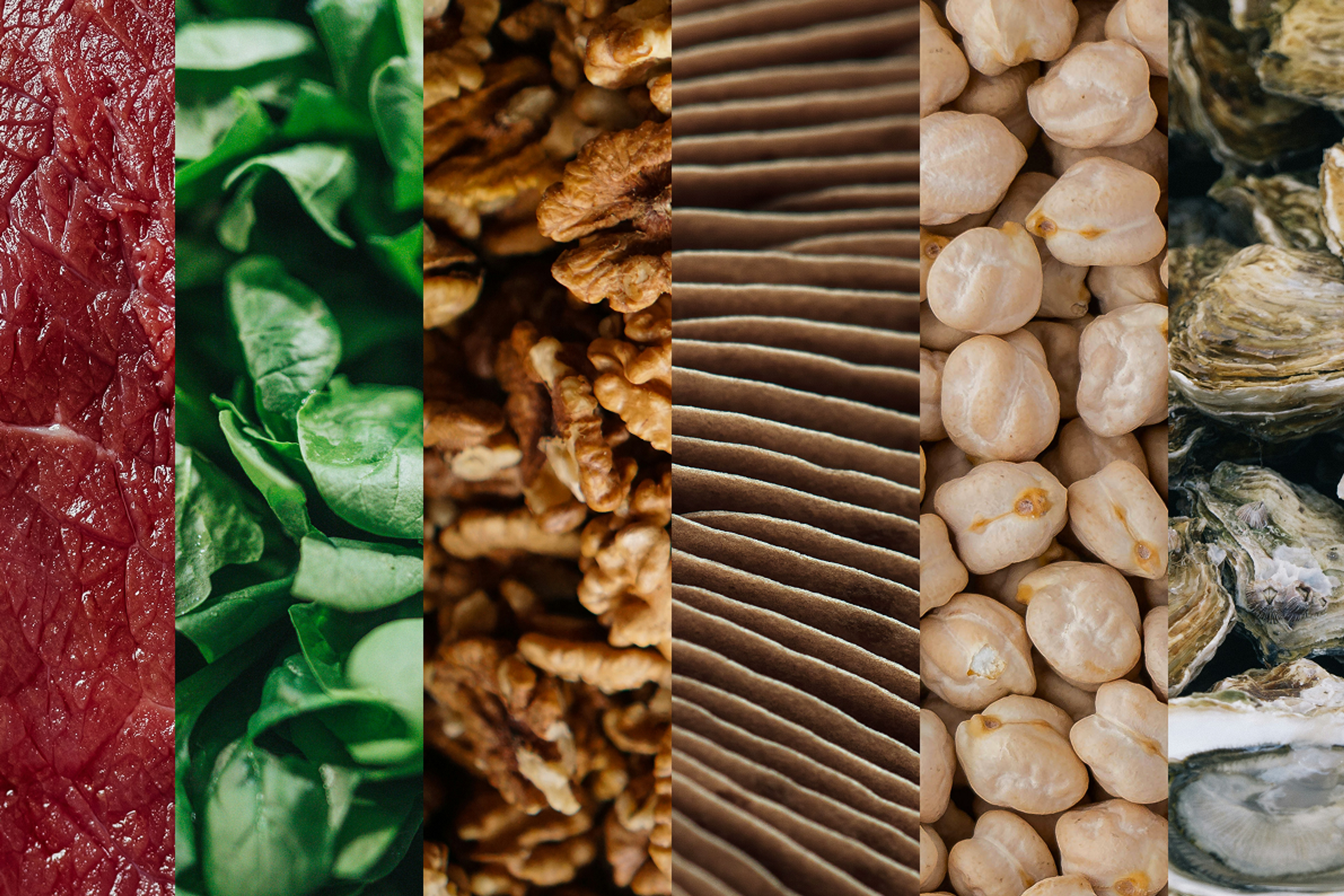
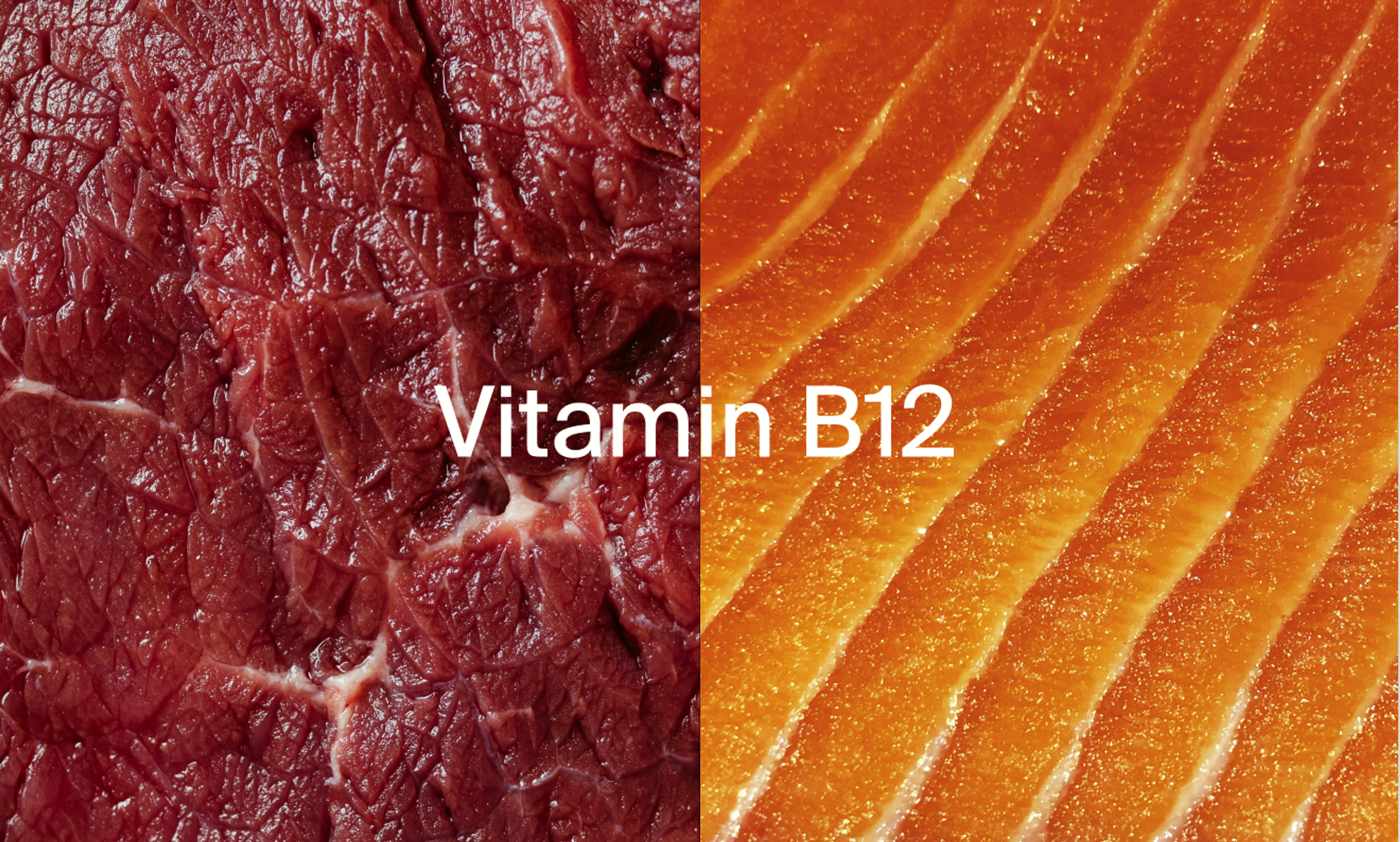
Moreover, B12 is only found naturally in animal foods, and so, vegetarians or vegans are at an increased risk of a deficiency. The best food sources of vitamin B12 are concentrated in animal products and fortified foods:
- Clams, tuna, sardines, and salmon
- Liver and beef
- Milk, dairy, and eggs
- Fortified cereals and nutritional yeast
Iron
Iron is one of the best energy boosters for seniors, and low iron is among the most common triggers of weakness and fatigue.
If your body lacks oxygen, you may often feel winded and tired. Iron deficiency is a common cause of this, especially in older adults. It can result from eating fewer iron-rich foods, reduced absorption of iron from the digestive system, or health conditions such as kidney disease that interfere with the production of red blood cells.[2]
The body does not produce iron on its own, so it must be obtained through diet or supplements.
There are many food sources of iron, but animal sources are preferred to plant sources. This is because the “heme” iron from animal sources is more readily absorbed in the body than the “non-heme” iron from plants.
Dr. Gabrielle Lyon, a board-certified physician trained in geriatric nutrition, recently shared a video comparing spinach and steak as iron sources. Dr. Lyon states:
To get the same amount of absorbable iron as 100g of red meat, you need to eat 800g of spinach.Dr. Gabrielle Lyon
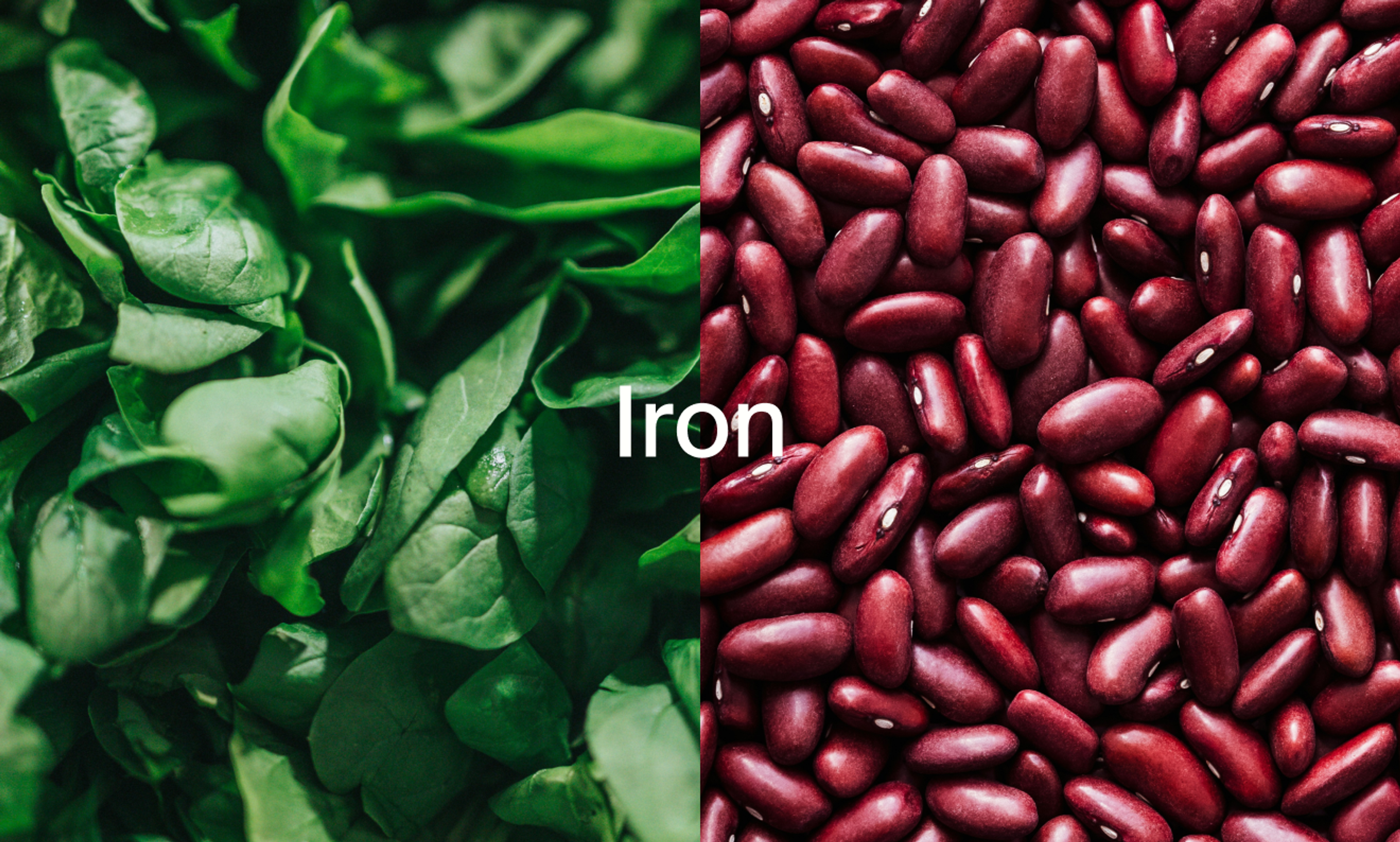
The best food sources of iron include liver, beef, fish, poultry, beans, leafy greens, and fortified cereals. Vitamin C is a good companion for iron, as it can improve its absorption. Specifically, combining vitamin-C-containing foods like citrus or tomatoes with foods high in iron may increase absorption.
CoQ10
CoQ10 supports energy production by helping mitochondria generate ATP, and levels decline with age, which is why it appears on most lists of energy nutrients for adults over 65.
CoQ10 stands for coenzyme Q10, another one of the top vitamins to increase energy in your body’s cells. It is naturally found throughout the body and primarily resides in the mitochondria, the cellular powerhouse.
The amount of CoQ10 in the body may decline with age, certain medical conditions such as heart disease, or in those taking cholesterol-lowering drugs like statins. Myopathy, often presenting as muscle weakness or pain, is a known side effect of statins and a sign of CoQ10 deficiency. Low CoQ10 levels may contribute to fatigue, as your body’s cells are not able to produce energy as efficiently.[3]
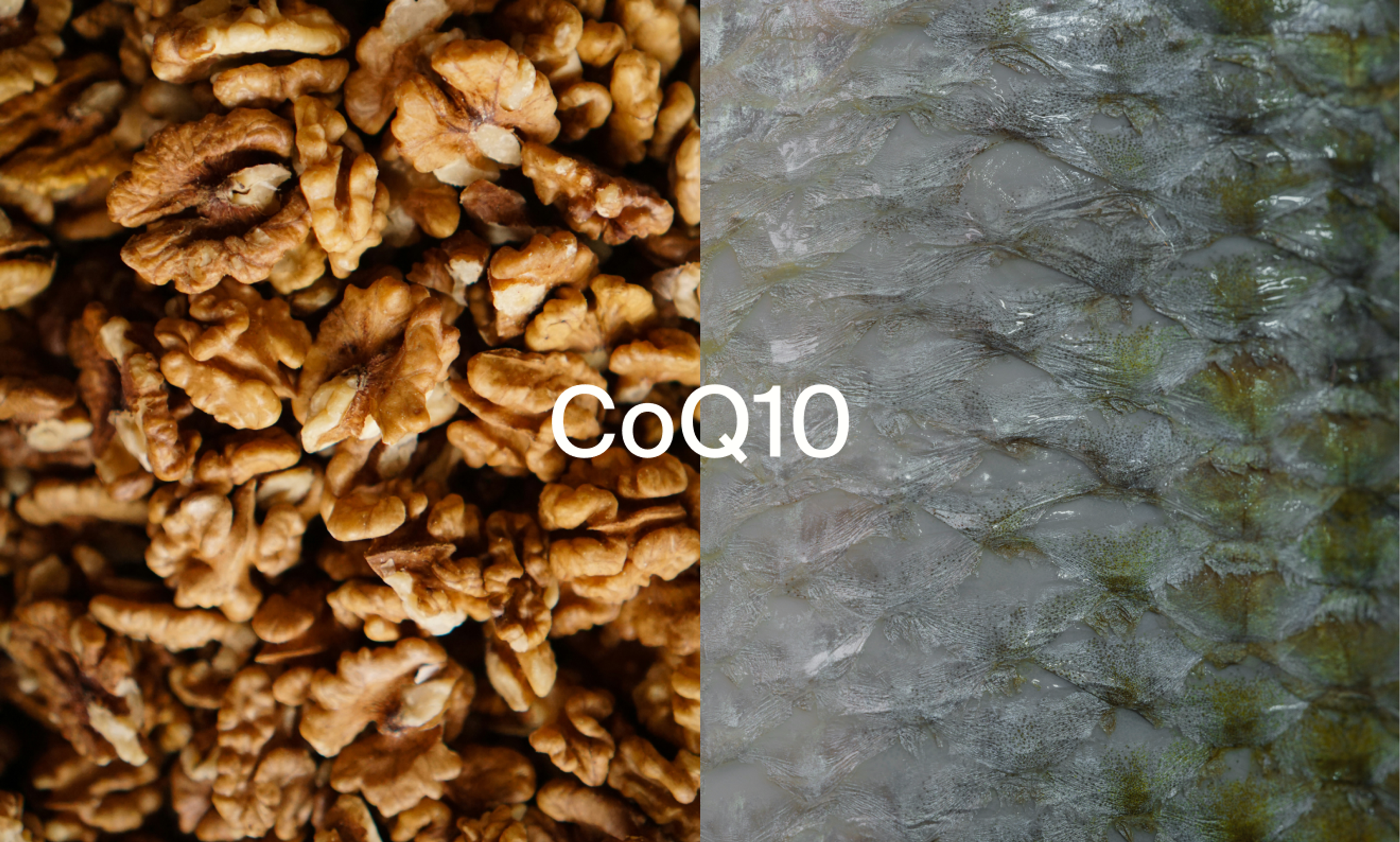
CoQ10 is found naturally in a few foods, such as fish, meat, and nuts.
However, while CoQ10 is in foods, it is not typically present in adequate amounts to provide enough. Because of this, taking a CoQ10 supplement may be a more effective way to improve your energy. It’s best to take CoQ10 with food, as it needs fat for absorption.
Vitamin D
Vitamin D supports muscle strength, with a larger effect in adults aged 65 and over. That muscle-function link is the clearest evidence-based reason to care about your vitamin D status if you feel weak or fatigued due to age.[4]
Vitamin D is also considered a longevity-supporting nutrient. Over one-third of adults in the United States are vitamin D deficient, and seniors, especially, may be at risk due to dietary factors and reduced time spent outdoors. Additionally, research finds that people of color have much higher rates of vitamin D deficiency, averaging 82.1% in blacks and 69.2% in Hispanics.[5]
A deficiency in vitamin D has been associated with occasional fatigue and weakness in the muscles and bones.[6] This explains why vitamin D may be one of the best vitamins to increase energy.
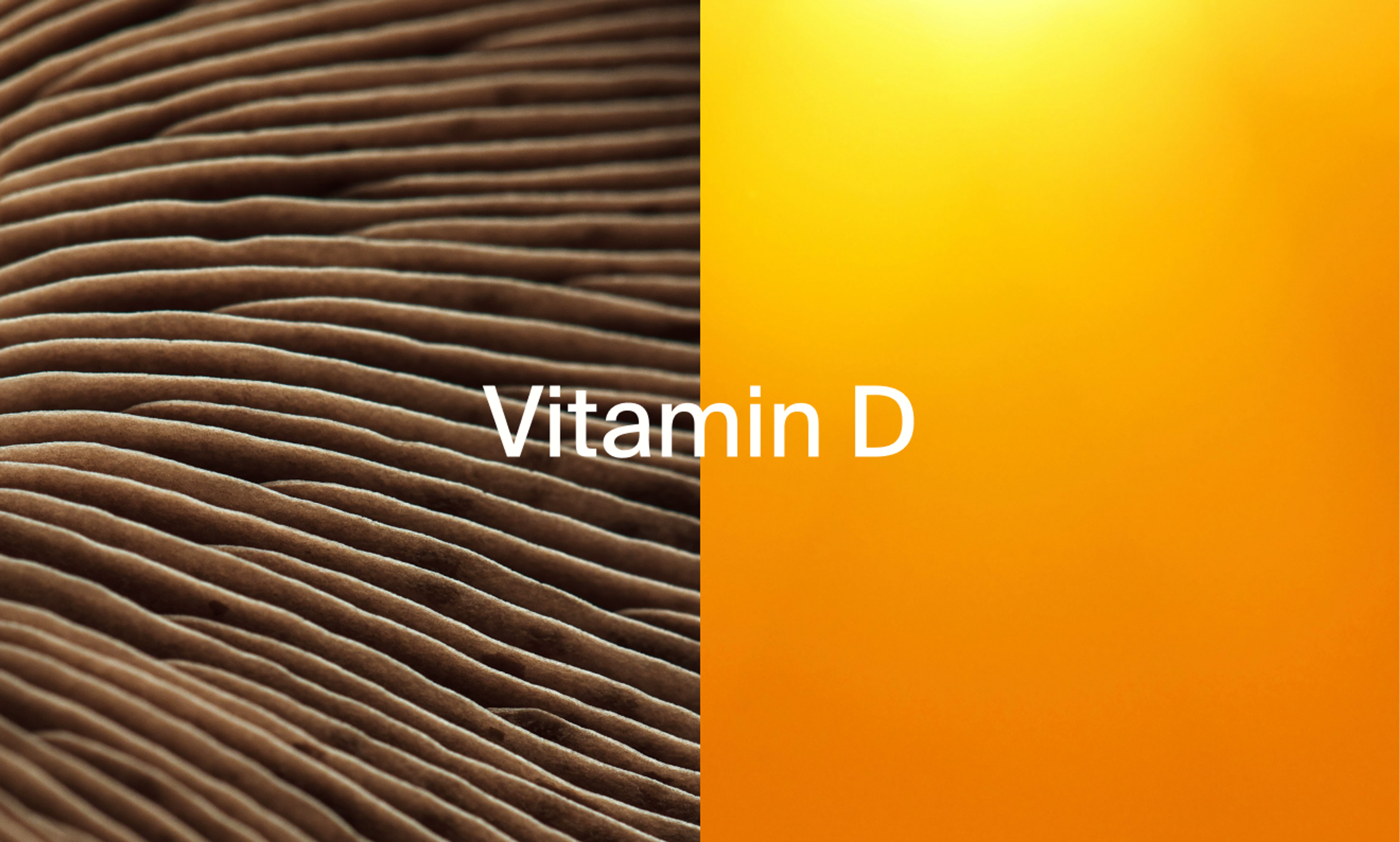
Vitamin D is found naturally in a few foods, such as salmon, swordfish, tuna, mushrooms, dairy, fortified cereal, and eggs. However, the majority of our vitamin D actually comes from regular sun exposure rather than from the diet. The challenge is that as we get older, the ability to absorb vitamin D slowly declines, and daily sun exposure may not always be a regular occurrence.[7]
If you’re feeling low on energy, consider getting your vitamin D levels checked. If you can’t get enough in your diet or from sunlight, there are plenty of vitamin D supplements available to help you meet your needs.
Magnesium
Magnesium is directly involved in energy production; it is required for over 600 enzymatic reactions, including energy metabolism and protein synthesis. Research on magnesium and aging finds three simultaneous changes in older adults: reduced intake, impaired absorption, and increased renal magnesium wasting.[8]
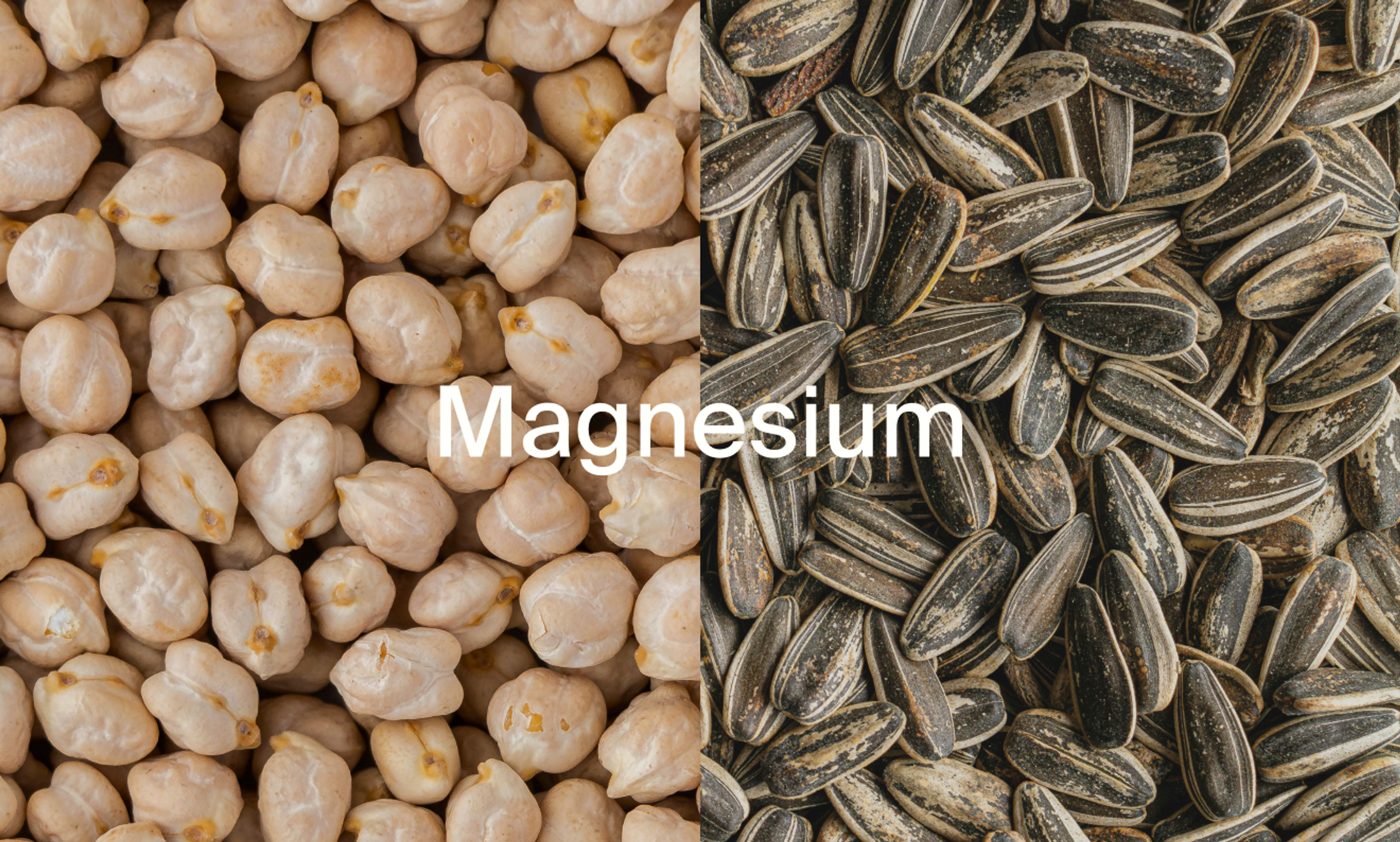
To increase magnesium levels, choose plenty of magnesium-rich foods regularly, such as spinach, legumes, nuts, seeds, and whole grains. If needed, a magnesium supplement may be added. Speak to your medical doctor before choosing a magnesium supplement, as some forms are more readily absorbed in the body than others.
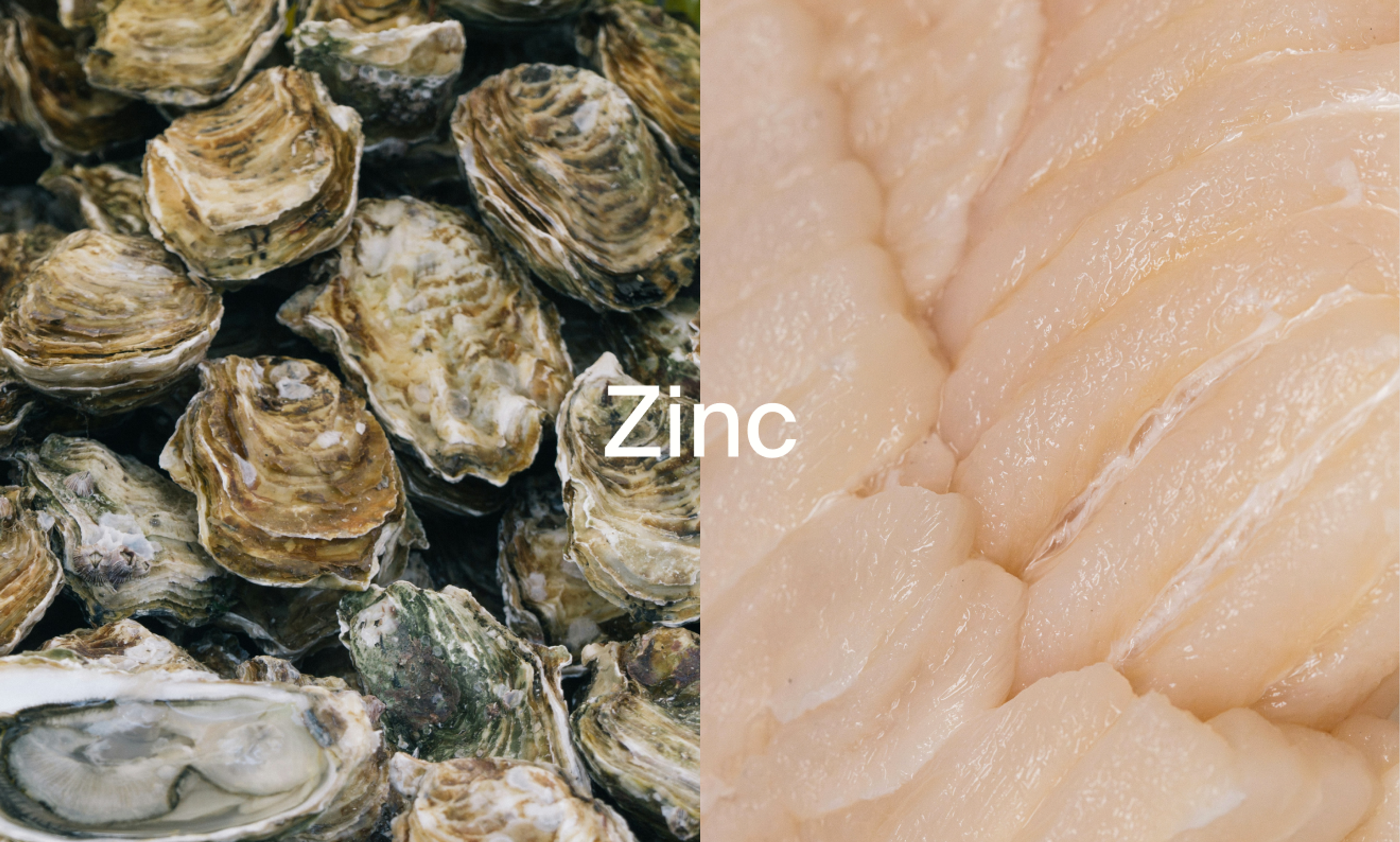
Zinc
Zinc supplementation reduced fatigue in older adults in a controlled clinical trial, making it one of the few minerals here with a direct fatigue endpoint rather than an inferred one. It plays an important role in energy metabolism, yet many adults over the age of 60 may be deficient, which may contribute to age-related fatigue.[9]
Even though it is considered a “trace” mineral only needed in small amounts, its presence is necessary for DNA production, proper cell growth and repair, and a strong immune system. All of these body functions are required to feel energized throughout your day.
Zinc is primarily found in animal products like oysters, red meat, and poultry. It is found in lesser amounts in plant-based foods such as beans, chickpeas, and nuts. If you’re a vegetarian or do not regularly eat these foods, it’s important to get your zinc levels checked.
Each of these nutrients supports energy through a distinct mechanism, and both absorption and deficiency risk shift with age, which is what makes a targeted approach useful after 65. The table below summarizes how they compare on role, sources, age-related risk, and clinical evidence.
Can Urolithin A Boost Energy at the Cellular Level?
Urolithin A supports cellular energy by triggering mitophagy, the process that clears out damaged mitochondria so the body can replace them with healthy ones. This is a different mechanism from every nutrient above: rather than supplying something the energy pathway needs, it improves the condition of the machinery running that pathway. Activating mitophagy to recycle faulty mitochondria is a well-described strategy for addressing age-related muscle decline.[10]
The body’s vast majority of energy, roughly 90% of our cellular energy,[11] is produced by the mitochondria. As we age, our mitochondrial function declines, leading to lower-than-desired energy levels.
Urolithin A directly supports our mitochondrial health by triggering mitophagy, enabling the body to rebuild its energy generators.
How Does Mitopure Support Cellular Energy and Muscle Strength?
Mitopure is clinically proven to revitalize mitochondria and provide exercise-like effects. In a clinical trial published in Nature Metabolism, Urolithin A was found to be safe and to induce a molecular signature of improved mitochondrial and cellular health.[12] In a peer-reviewed clinical trial, supplementation with Mitopure improved muscle strength by up to 12% versus placebo after 16 weeks, without changes to diet or exercise.[13]
Key Takeaways
Optimal energy is produced through a combination of the best vitamins to give you energy, minerals to boost energy, and a proper diet to fuel energy. Diet, while often the preferred solution, is proving to be more complex than one might assume as we better understand the interplay between our individual gut microbiome, the foods we consume, and our body’s ability to absorb nutrients. This makes supplementation an important consideration for all, but particularly critical for those 55 and older.
While some energy-boosting vitamins are familiar household names, science is constantly moving forward, and exciting new nutrients are emerging. As the science supporting these new nutrients grows, these compounds should be considered in consultation with your medical practitioner.
Mitochondria are key players in maintaining our energy levels, particularly as we age. Novel interventions, like Mitopure, hold promise because they have been shown to improve mitochondrial health and thus increase cellular energy at the source.
Frequently Asked Questions
What is the fastest way to boost energy after 65?
The fastest reliable approach is to determine if you have any medical conditions that may contribute to fatigue, and correct any underlying nutrient deficiency you may have. Low B12, iron, vitamin D, magnesium, or zinc is common with age and directly limits energy production. A simple blood panel can show which levels are low, so diet changes or targeted supplements can restore them within weeks. For energy that declines at the cellular level, Mitopure (Urolithin A) works on the mitochondria themselves, the source of about 90% of your cellular energy. If you are experiencing age-related fatigue, it is best to work with your medical provider to determine the cause.
Can you take Urolithin A and CoQ10 together?
While we're not aware of any contraindications, we recommend checking with your doctor before combining them. Urolithin A and CoQ10 support mitochondrial energy through different, complementary. CoQ10 helps the mitochondria generate ATP, while Urolithin A triggers mitophagy, the recycling of damaged mitochondria. Because CoQ10 needs dietary fat to be absorbed, taking both with a meal is a practical way to combine them.
How long does it take for energy supplements to start working?
It depends on the nutrient: correcting a B12, iron, or vitamin D deficiency can lift energy within a few weeks, while mitochondrial support works on a longer timeline. In the clinical trial on Mitopure, measurable leg muscle-strength gains were recorded at 16 weeks.[14] Consistent daily intake matters more than dose timing for these longer-term benefits.
Are energy supplements better than getting vitamins from food?
Food should come first, but supplements matter more after 65 because age reduces how well the gut absorbs several energy nutrients, including B12, magnesium, and zinc. Heme iron and B12 from animal foods are absorbed more readily than plant sources, so people on plant-based diets are more likely to need supplementation.[15] For Urolithin A specifically, about 2 in 3 people cannot produce meaningful amounts from food, making a supplement the only reliable route to a clinical dose.[16]
Authors

Written by
Dietitian-Nutritionist, and Health Content Writer

Reviewed by
Director Science Communications
References
- ↑
Stover PJ. Vitamin B12 and older adults. Curr Opin Clin Nutr Metab Care. 2010;13(1):24-27. doi:10.1097/MCO.0b013e328333d157
- ↑
Fairweather-Tait, S. J., Wawer, A. A., Gillings, R., Jennings, A., & Myint, P. K. (2014). Iron status in the elderly. Mechanisms of ageing and development, 136-137, 22–28. https://doi.org/10.1016/j.mad.2013.11.005
- ↑
Mehrabani, S., Askari, G., Miraghajani, M., Tavakoly, R., & Arab, A. (2019). Effect of coenzyme Q10 supplementation on fatigue: A systematic review of interventional studies. Complementary therapies in medicine, 43, 181–187. https://doi.org/10.1016/j.ctim.2019.01.022
- ↑
Beaudart, C., Buckinx, F., Rabenda, V., Gillain, S., Cavalier, E., Slomian, J., Petermans, J., Reginster, J. Y., & Bruyère, O. (2014). The effects of vitamin D on skeletal muscle strength, muscle mass, and muscle power: a systematic review and meta-analysis of randomized controlled trials. The Journal of clinical endocrinology and metabolism, 99(11), 4336–4345. https://doi.org/10.1210/jc.2014-1742
- ↑
Parva, N. R., Tadepalli, S., Singh, P., Qian, A., Joshi, R., Kandala, H., Nookala, V. K., & Cheriyath, P. (2018). Prevalence of Vitamin D Deficiency and Associated Risk Factors in the US Population (2011-2012). Cureus, 10(6), e2741. https://doi.org/10.7759/cureus.2741
- ↑
Naeem Z. Vitamin d deficiency- an ignored epidemic. Int J Health Sci (Qassim). 2010;4(1):V-VI.
- ↑
Nair, R., & Maseeh, A. (2012). Vitamin D: The "sunshine" vitamin. Journal of pharmacology & pharmacotherapeutics, 3(2), 118–126. https://doi.org/10.4103/0976-500X.95506
- ↑
de Baaij, J. H., Hoenderop, J. G., & Bindels, R. J. (2015). Magnesium in man: implications for health and disease. Physiological reviews, 95(1), 1–46. https://doi.org/10.1152/physrev.00012.2014
- ↑
Afzali, A., Goli, S., Moravveji, A., Bagheri, H., Mirhosseini, S., & Ebrahimi, H. (2021). The effect of zinc supplementation on fatigue among elderly community dwellers: A parallel clinical trial. Health science reports, 4(2), e301. https://doi.org/10.1002/hsr2.301
- ↑
Singh, A., D'Amico, D., Andreux, P. A., Fouassier, A. M., Blanco-Bose, W., Evans, M., Aebischer, P., Auwerx, J., & Rinsch, C. (2022). Urolithin A improves muscle strength, exercise performance, and biomarkers of mitochondrial health in a randomized trial in middle-aged adults. Cell reports. Medicine, 3(5), 100633. https://doi.org/10.1016/j.xcrm.2022.100633
- ↑
Pizzorno J. (2014). Mitochondria-Fundamental to Life and Health. Integrative medicine (Encinitas, Calif.), 13(2), 8–15.
- ↑
Andreux, P. A., Blanco-Bose, W., Ryu, D., Burdet, F., Ibberson, M., Aebischer, P., Auwerx, J., Singh, A., & Rinsch, C. (2019). The mitophagy activator urolithin A is safe and induces a molecular signature of improved mitochondrial and cellular health in humans. Nature metabolism, 1(6), 595–603. https://doi.org/10.1038/s42255-019-0073-4
- ↑
Singh, A., D'Amico, D., Andreux, P. A., Fouassier, A. M., Blanco-Bose, W., Evans, M., Aebischer, P., Auwerx, J., & Rinsch, C. (2022). Urolithin A improves muscle strength, exercise performance, and biomarkers of mitochondrial health in a randomized trial in middle-aged adults. Cell reports. Medicine, 3(5), 100633. https://doi.org/10.1016/j.xcrm.2022.100633
- ↑
Hurrell, R., & Egli, I. (2010). Iron bioavailability and dietary reference values. The American journal of clinical nutrition, 91(5), 1461S–1467S. https://doi.org/10.3945/ajcn.2010.28674F
- ↑
Singh, A., D'Amico, D., Andreux, P. A., Dunngalvin, G., Kern, T., Blanco-Bose, W., Auwerx, J., Aebischer, P., & Rinsch, C. (2022). Direct supplementation with Urolithin A overcomes limitations of dietary exposure and gut microbiome variability in healthy adults to achieve consistent levels across the population. European journal of clinical nutrition, 76(2), 297–308. https://doi.org/10.1038/s41430-021-00950-1